



Wildlife encounters can be among the most memorable parts of a holiday, whether it is spotting elephants on safari, watching whales from the coast, or seeing a rare bird in a forest. But not every experience that puts people close to animals is good for the animals involved.
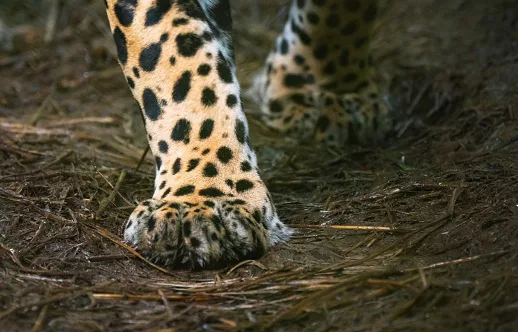
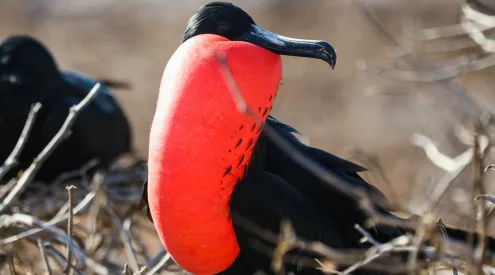
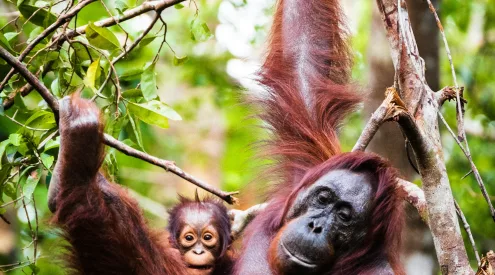
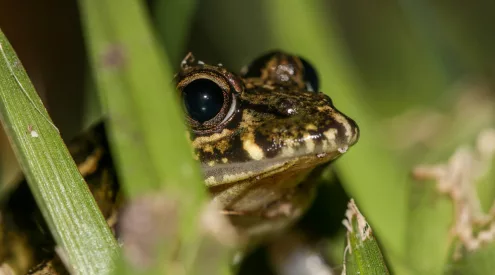
Images used for illustrative purposes/By: Kryssia Campos/Getty Images
World Animal Day, celebrated today, 4 October, is a reminder to consider the world from an animal’s perspective. This year’s theme, “See the World Through Their Eyes”, encourages us to look beyond our own experiences and think about how our choices affect the animals we encounter, including when we travel.
Responsible wildlife tourism does not mean avoiding animals altogether. It means choosing experiences that allow them to behave naturally and giving them the space to do so.
From skipping hands-on encounters to researching wildlife attractions before booking, these simple changes can help make your next animal encounter kinder.
1. Choose observation over interaction
One of the easiest ways to make a wildlife encounter more responsible is to choose experiences where you are there to watch rather than touch.
Wild animals do not need to interact with tourists for an encounter to be meaningful. A safari drive, guided birding walk, whale-watching trip or visit to a properly managed protected area can allow travellers to see animals without turning them into part of the entertainment.
ABTA’s guidance for travellers recommends maintaining a sufficient distance from wild animals so that people do not disturb them or interfere with their natural behaviour. It also advises against touching, feeding, teasing or provoking wild animals.
In other words, getting the closest photograph is not necessarily getting the best wildlife experience.
Let the animal decide the distance
If an animal approaches on its own, resist the temptation to encourage it to come even closer. Give it room to move away and avoid blocking its route.
The best encounters can be those where the animal remains completely absorbed in what it was doing before you arrived.
2. Think twice before booking hands-on experiences
An attraction promising the chance to hold, cuddle, ride, bathe or walk alongside a wild animal may sound unforgettable, but these interactions can raise serious welfare concerns.
World Animal Protection recommends that wild animals should be seen in their natural habitats wherever possible, while warning that tourism experiences should prioritise animal welfare over entertainment.
ABTA’s animal-welfare guidelines similarly identify a range of direct-contact activities as unacceptable, including tourist contact with or feeding of wild cats, great apes, bears, crocodiles and other wild animals. The guidelines also flag elephant rides and bathing experiences.
This does not mean every encounter involving an animal is identical. Welfare considerations vary between species and circumstances. But when an experience is built around tourists physically interacting with a wild animal, it is worth asking whether the animal genuinely has a choice in that interaction.
A photo is not worth an uncomfortable animal
The same applies to wildlife selfies.
If an animal cannot move away from a person taking a photograph, the interaction is not really voluntary. ABTA specifically advises against tourist photo opportunities where wild animals do not have the choice to terminate the interaction or move away.
3. Do not feed wildlife
Feeding an animal may seem harmless, particularly when it produces a memorable photograph, but it can change animal behaviour and create problems for both wildlife and people.
SANParks explicitly prohibits feeding wildlife and says intentional disturbance of animals is a serious offence. It warns that fed animals can become dependent on people and may become aggressive or dangerous.
Feeding can also encourage animals to associate people, vehicles or campsites with food.
Let wildlife find its own food
Whether you are on safari, hiking through a nature reserve or visiting a coastal area, resist the urge to offer animals snacks.
This includes situations where an animal appears to be expecting food. The responsible choice is to follow the rules of the protected area and allow wildlife to forage naturally.
4. Research the attraction before you go
A facility calling itself a sanctuary, rescue centre or rehabilitation centre does not automatically tell you everything you need to know about how its animals are treated.
Before booking, look beyond the photographs and promotional language. Find out where the animals came from, whether breeding takes place, whether visitors are allowed to touch them and what happens to animals that can be rehabilitated or released.
In South Africa, travellers can also consult WildChoices, which assesses captive wildlife tourism facilities against industry guidelines and provides support recommendations. The initiative describes its recommendations as a voluntary tool to help tourists and tourism businesses make more informed decisions.
Look for transparency
A responsible facility should be able to explain its animal-welfare practices rather than relying solely on words such as ‘ethical’, ‘rescue’ or ‘conservation’.
Look for information about veterinary care, enclosure conditions, breeding, animal sourcing and the role tourism plays in the facility’s work.
5. Avoid wildlife shows and staged encounters
Wildlife experiences should not require animals to perform tricks for visitors.
World Animal Protection identifies forced performances and close-contact activities as warning signs when assessing wildlife attractions.
ABTA’s guidelines also identify performances and tourist interactions involving wild animals as unacceptable where training involves punishment or food deprivation, causes fear, injury or distress, or requires animals to perform behaviours that are not natural to them.
A better option is an experience where the animal’s natural behaviour is the attraction.
Watch what the animal is already doing
An elephant feeding, a troop of monkeys moving through the trees or a penguin colony gathering along the shore can be fascinating without any human direction.
The less an experience needs to control the animal, the more opportunity there is to see genuine behaviour.
6. Give wildlife space
Even when you are viewing animals in the wild, your presence can affect their behaviour.
A responsible wildlife encounter means paying attention to signs that an animal is uncomfortable. If it repeatedly moves away, becomes agitated or shows other signs of alarm, give it more space rather than asking a guide or driver to get closer.
ABTA advises travellers not to encourage guides to pursue animals displaying avoidance or alarm behaviour. It also recommends avoiding breeding sites such as nests, dens and burrows because disturbance can affect animals and, in some circumstances, result in parents abandoning their young.
The best photograph may require patience
Wildlife photography can encourage people to chase the perfect shot, but patience is often a better approach.
Stay on designated roads and paths, follow the instructions of guides and protected-area authorities, and allow animals to move freely.
In South Africa’s national parks, feeding or intentionally disturbing wildlife is prohibited, while visitors are required to follow park rules and regulations.
Sometimes the kindest thing a traveller can do is accept that the animal is too far away for a perfect photograph.
A kinder way to see wildlife
Responsible wildlife tourism does not have to mean missing out on remarkable animal encounters. It can mean experiencing them differently.
Instead of asking how close you can get, ask whether the animal can move away. Instead of looking for an attraction where you can touch wildlife, look for one where you can observe it behaving naturally. And before booking a wildlife experience, spend a few minutes researching how the animals are treated.
Your travel choices help shape the demand for wildlife experiences. Choosing observation over interaction, refusing to feed wild animals, and supporting responsible operators can all contribute to tourism that gives animals more space to live naturally.
This World Animal Day, perhaps the simplest rule is also the most useful: see the world through their eyes, and let the animals remain animals.
Follow us on social media for more travel news, inspiration, and guides. You can also tag us to be featured.
Instagram | Facebook | Twitter | Spotify
ALSO READ: