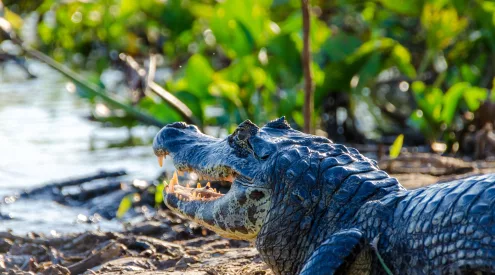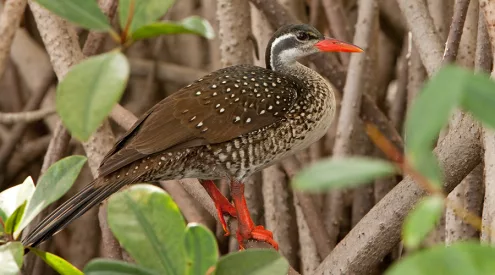


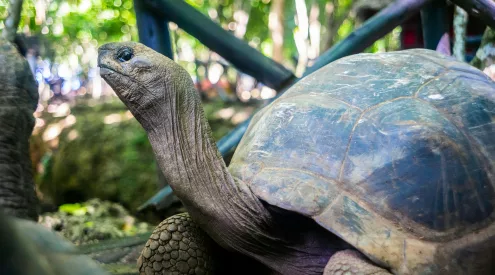

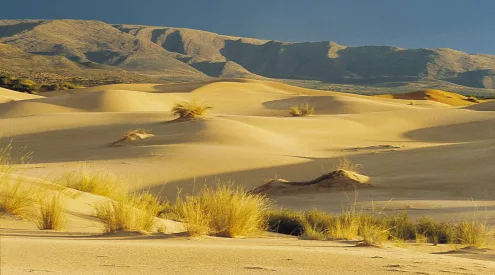
Africa’s wildlife populations are under mounting pressure.

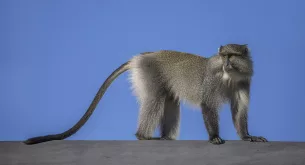
Image used for illustrative purposes/Dean Erasmus/Unsplash
The WWF Living Planet Report 2026 records an 80% decline in the average size of monitored terrestrial and freshwater vertebrate populations across Africa between 1970 and 2022.
The report, titled The Science of Hope, examines global biodiversity trends and highlights the urgent need to address the pressures driving wildlife declines. However, it also identifies conservation successes, including the recovery of some southern African elephant populations, demonstrating that sustained action can help nature recover.
Africa’s biodiversity under pressure
The report’s regional findings place Africa among the areas experiencing the steepest declines in monitored wildlife populations, alongside Latin America and the Caribbean, and Asia and the Pacific. Globally, freshwater populations have experienced the sharpest declines, followed by terrestrial and marine populations. The Living Planet Report 2026 records an 85% decline in monitored freshwater populations, a 69% decline in terrestrial populations and a 59% decline in marine populations worldwide.
Freshwater ecosystems face particular challenges. Dams and other modifications to waterways can alter habitats and obstruct migration routes, affecting species that depend on connected river systems. Habitat loss and degradation are the most frequently reported threats affecting monitored wildlife populations, followed by overexploitation, climate change, pollution, invasive species and disease.
These pressures are closely linked to human activities. The report identifies food production, energy and finance as three major systems driving biodiversity loss. Agriculture contributes significantly to habitat destruction, while burning coal, oil and gas releases greenhouse gases that drive climate change and affect ecosystems.
Financial investment also plays a role. In 2023, approximately US$7.3 trillion flowed into activities that harmed nature, compared with US$220 billion directed towards activities that protected or restored it. The figures highlight the financial imbalance that must be addressed to support biodiversity conservation.
Understanding the wildlife statistics
The global Living Planet Index, developed by the Zoological Society of London, recorded a 73% decline in the average size of monitored wildlife populations between 1970 and 2022. The assessment draws on 35,803 monitored populations representing 5,790 vertebrate species, including mammals, birds, fish, reptiles and amphibians.
The 73% figure does not mean that 73% of the world’s wild animals have disappeared. Instead, it measures the average change in the size of monitored populations over time. The report found that 43% of monitored populations were increasing, while 7% remained stable. This means that half of the populations included in the index were either stable or growing, despite the overall downward trend. For Africa, the regional findings highlight the vulnerability of wildlife and the ecosystems that support it. Healthy ecosystems provide essential services, including freshwater, climate regulation and pollination. Their degradation can therefore affect communities and livelihoods as well as wildlife.
Conservation offers hope
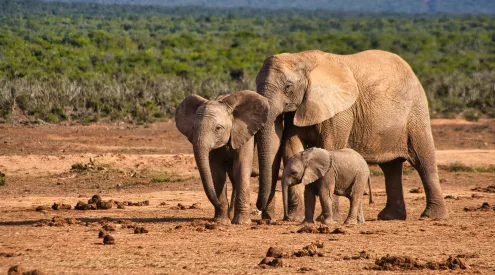
Despite the alarming findings, the report identifies examples of wildlife recovery that demonstrate the value of sustained conservation efforts. African savannah elephants remain endangered overall, with populations declining across much of their range. However, some populations in southern Africa are increasing in areas where local communities lead the management of land shared with elephants.
This is importance of involving communities in conservation and considering the needs of both people and wildlife. Long term approaches that support coexistence can contribute to the protection of species and their habitats. The report also highlights recoveries among wild tigers, bluefin tuna and green sea turtles. These examples demonstrate that coordinated action, clear objectives and adaptable conservation plans can produce positive results.
However, conservation initiatives alone cannot reverse biodiversity loss while the wider systems driving environmental damage remain unchanged. The report calls for changes to food production, energy generation and financial investment, alongside efforts to restore ecosystems and halt deforestation.
Turning evidence into action
The report emphasises the need for collective action iand also calls for countries to implement existing international commitments, including the Kunming-Montreal Global Biodiversity Framework and the Paris Agreement on climate change. For Africa, addressing wildlife declines requires protecting habitats while tackling the broader pressures affecting ecosystems. Conservation initiatives must also be supported by decisions that promote sustainable resource use and direct investment towards nature restoration.
Follow us on social media for more travel news, inspiration, and guides. You can also tag us to be featured.
Instagram | Facebook | Twitter | Spotify
ALSO READ:
Saving Perlemoen: Inside the fight to protect the Western Cape’s most valuable shellfish