



A devastating outbreak of avian influenza has killed more than 13,000 southern elephant seal pups on Australia’s remote Heard and McDonald Islands, raising fresh concerns about the growing impact of the virus on wildlife populations across the Southern Ocean.
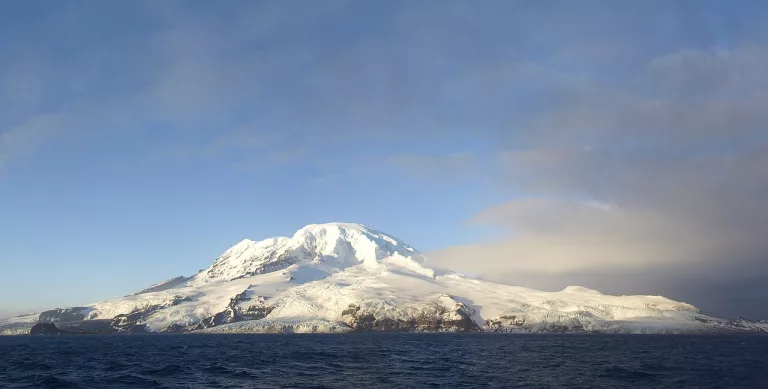
Image used for illustrative purposes/Tristannew/Wikimedia Commons
Located deep in the subantarctic region between Madagascar and Antarctica, the islands are home to vast colonies of seals, penguins and seabirds. They are among the most isolated wildlife refuges on Earth.
Scientists have confirmed that the highly pathogenic H5N1 bird flu virus has spread across multiple species on the islands. Surveys conducted between late 2025 and early 2026 found extraordinarily high mortality rates among southern elephant seal pups, with some breeding colonies losing as many as 97% of their young.
Researchers estimate that more than three-quarters of the season’s elephant seal pups died during the outbreak. The true toll could be even higher, as deaths were still occurring when observations concluded.
The virus has not been confined to seals. Authorities say H5N1 has now been detected in six of the nine wildlife species monitored on the islands, including king penguins, gentoo penguins, Antarctic fur seals and several seabird species. Hundreds of adult king penguins have also been found dead.
Experts believe the outbreak may have arrived via migrating seabirds from the French Crozet Islands during 2025, before spreading through the islands’ densely packed wildlife colonies.
The event highlights the continuing global expansion of H5N1, which has caused widespread wildlife die-offs across multiple continents in recent years. The virus has increasingly affected marine mammals, including seals and sea lions, sparking concern among scientists about its ability to move between species.
Conservationists are now closely monitoring the risk of the virus spreading further into Australian wildlife populations. The concerns have intensified following recent detections of H5N1 in seabirds on mainland Western Australia, marking a significant development in Australia’s biosecurity landscape.
While the risk to the general public remains low, wildlife authorities continue to urge people to avoid contact with sick or dead birds and animals and to report unusual wildlife deaths where possible.
For now, the tragedy unfolding on Heard and McDonald Islands serves as a stark reminder that even the world’s most remote ecosystems are not immune to emerging wildlife diseases.
(Source: CNN)
Follow us on social media for more travel news, inspiration, and guides. You can also tag us to be featured.
Instagram | Facebook | Twitter | Spotify
ALSO READ: