

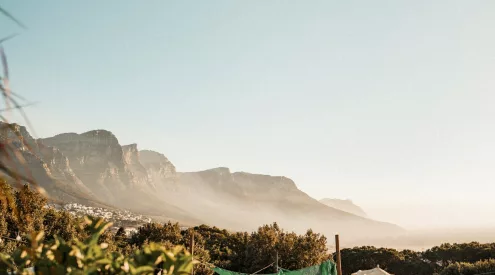
Robben Island’s heritage extends beyond its historic buildings and former prison.
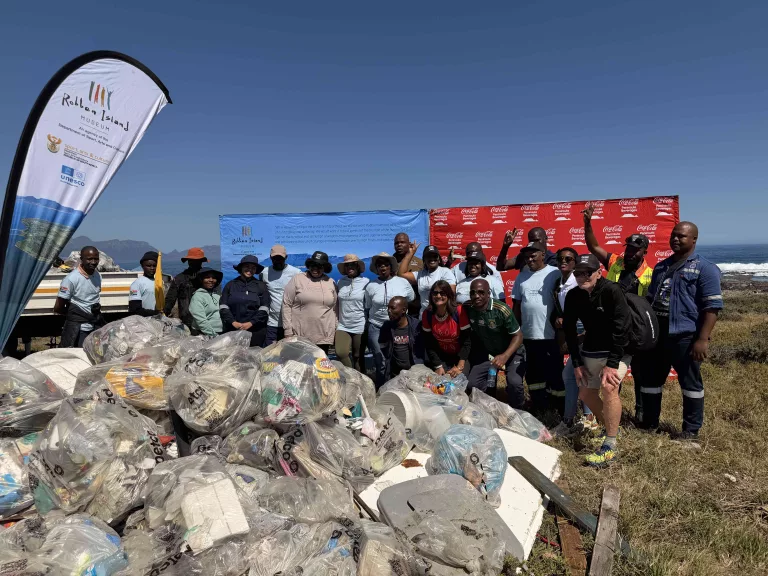
Image: Supplied
The island’s surrounding coastline and marine environment also form part of a fragile heritage landscape that came under the spotlight during a coastal cleanup on Saturday, 19 September.
Robben Island Museum (RIM), in collaboration with the Southern African Foundation for the Conservation of Coastal Birds (SANCCOB), Coca-Cola Peninsula Beverages (CCPB) and other partners, marked International Coastal Cleanup Day with an initiative aimed at removing marine debris and protecting the island’s coastal environment.
Around 150 volunteers took part in the cleanup, with the initiative targeting more than two tonnes of marine waste along Robben Island’s shoreline.
A UNESCO World Heritage Site, Robben Island is located within the Port of Cape Town, one of the busiest ports in the world. While the island is internationally recognised for its cultural and political history, its natural environment is also an important part of its heritage.
The surrounding marine environment is exposed to pollution from fishing, recreational activities, shipping and other human activity in the island’s inshore and nearshore waters. Ocean currents and prevailing winds can transport marine debris towards the island, where plastic, discarded fishing equipment, ropes and other waste accumulate along the coastline.
This pollution can have serious consequences for the island’s wildlife. Marine debris can cause entanglement, ingestion and injury, and can result in the death of seabirds and other coastal species.
Protecting Robben Island’s natural heritage
The cleanup formed part of broader efforts to protect Robben Island’s biodiversity while raising awareness of the connection between environmental conservation and heritage protection.
For RIM, maintaining the island’s natural environment is also part of managing the World Heritage Site for future generations.
“This initiative is instrumental in supporting the RIM Integrated Management Plan (IMP 2024–29), which seeks to minimise risks to wildlife and habitats, as well as to the built environment on Robben Island,” said RIM Chief Executive Officer Leanne Williams.
“It is an effort not only to address the impacts of climate change on our environment, wildlife, and marine species, but also to encourage environmentally responsible practices. These efforts contribute to the preservation of endangered wildlife species, including the Critically Endangered African penguin.”
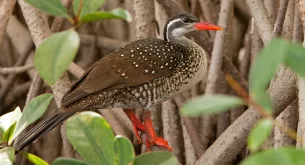
The presence of seabirds around Robben Island further connects the island’s cultural and natural heritage. SANCCOB’s involvement in the cleanup highlighted the importance of reducing marine pollution in an environment that supports coastal and marine species.
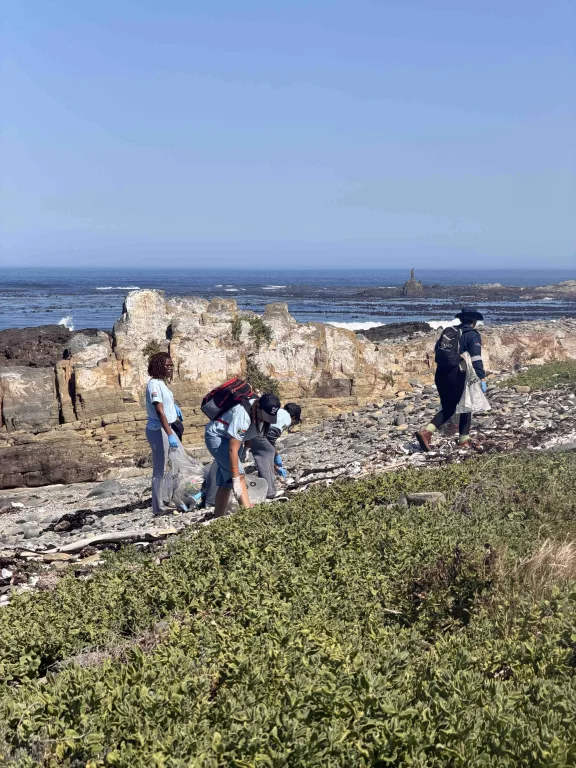
Image: Supplied
A shared responsibility
The initiative also brought together conservation, tourism and business partners to address marine waste.
CCPB said the cleanup formed part of its wider efforts to reduce packaging waste and encourage responsible waste management.
“Coca-Cola Peninsula Beverages has become a driving force locally to reduce packaging waste through collection, collaboration, innovation and regular community clean-up operations,” said Priscilla Urquhart, Head of Public Affairs, Communication and Sustainability at CCPB.
“The coastal clean-up on Robben Island this weekend connects to our World Without Waste ambition, working with a powerful network of partners and stakeholders to achieve this.”
Urquhart added that reducing plastic waste requires participation from businesses and communities.
“We all need to play a bigger role in actively ensuring that waste is minimised. As a local business, we remain committed to continually raising awareness around plastic waste and recycling, innovating around reducing plastic in our production and operations, and educating consumers on responsible behaviour towards a cleaner environment and making a difference that matters,” she said.
The three-hour cleanup covered the island’s coastline, with personal protective equipment and refreshments provided to volunteers.
Participants were also treated to a private tour of the former prison before returning to mainland Cape Town, bringing together two defining aspects of Robben Island’s identity: its internationally recognised cultural history and the natural environment surrounding it.
Follow us on social media for more travel news, inspiration, and guides. You can also tag us to be featured.
Instagram | Facebook | Twitter | Spotify
ALSO READ: