




Namibia’s foot-and-mouth disease (FMD) outbreak could put pressure on South African beef prices if restrictions disrupt the flow of cattle into local feedlots.
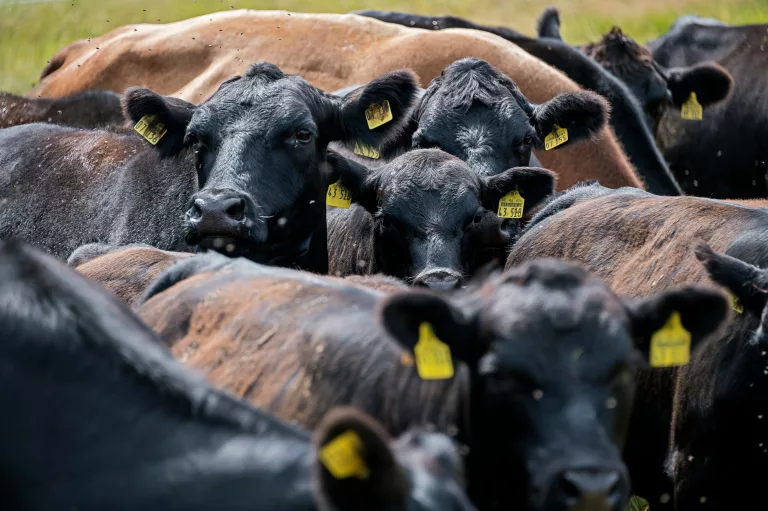
Etienne Girardet / Unsplash / Illustrative purposes only
Namibia supplied around 81% of South Africa’s imported cattle in 2024, with many of these weaners destined for South African feedlots before entering the local beef supply chain.
The outbreak was confirmed in September after 10 of 11 cattle tested positive on a commercial farm in Namibia’s Karasburg State Veterinary District, an area within the country’s recognised FMD-free zone.
Namibia initially suspended the movement, marketing, import and export of cloven-hoofed animals and their raw products while authorities worked to contain the disease.
Some restrictions have since been eased after surveillance indicated that the outbreak remains localised in the Kharas Region. However, livestock auctions and exports remain affected.
What it means for South Africa
A prolonged disruption could leave South African feedlots competing for fewer locally available cattle, increasing procurement costs and potentially putting upward pressure on beef prices.
An immediate price spike is not expected, however. South Africa has its own cattle industry and existing feedlot inventories that can help absorb a short-term disruption.
The duration of Namibia’s restrictions will therefore be key. If the cattle trade resumes relatively quickly, the impact on South African consumers is likely to remain limited. A longer disruption could have a greater effect on the local beef supply chain and, eventually, prices.
Source (The South African)
Follow us on social media for more travel news, inspiration, and guides. You can also tag us to be featured.
Instagram | Facebook | Twitter | Spotify
ALSO READ:
South Africa’s airports are investing billions as passenger numbers recover