





From churches carved into rock to cities filled with modernist buildings, Africa’s architecture tells stories of faith, trade and cultural exchange. These destinations invite travellers to look beyond the usual landmarks and discover the history built into their streets.
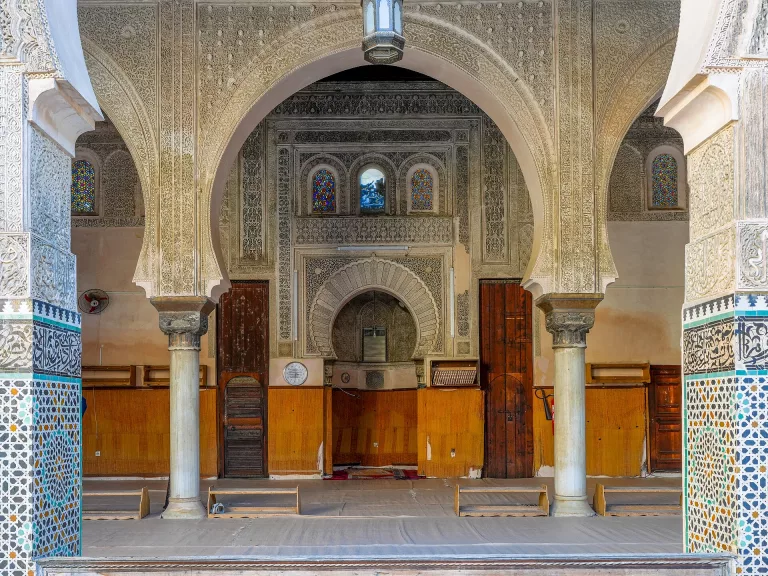
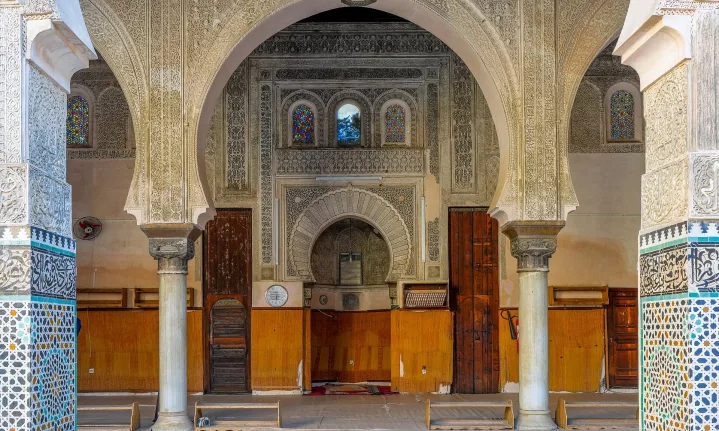
The prayer hall and mihrab, Bou Inania Madrasa, Fez, Morocco / Timothy A. Gonsalves / Wikimedia Commons
Asmara, Eritrea: Modernist architecture
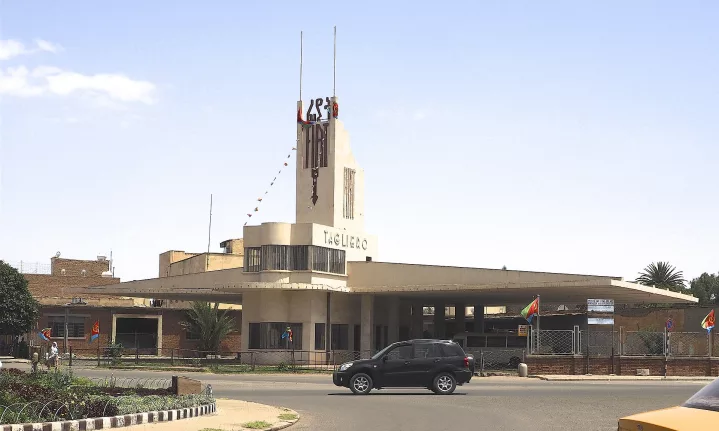
Eritrea’s capital, Asmara, is known for it’s striking collection of modernist buildings dating largely from Italian colonial rule in the early 20th century.
The Fiat Tagliero service station, completed in 1938, is a standout, with sweeping concrete wings resembling an aeroplane. Cinema Impero showcases the streamlined style of Art Deco.
The city’s architectural character earned it World Heritage status in 2017, although it’s history remains inseparable from Italian colonialism and the segregation that shaped it’s development.
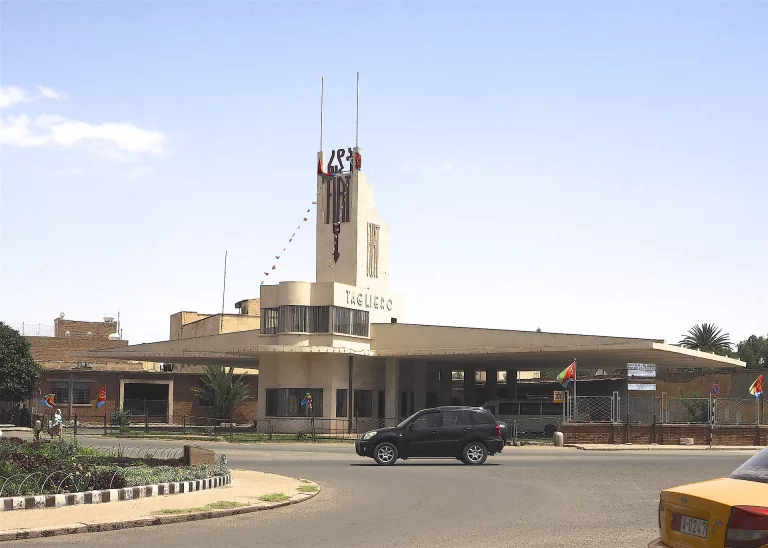
The Fiat Tagliero Building in Asmara / Clay Gilliland / Wikimedia Commons
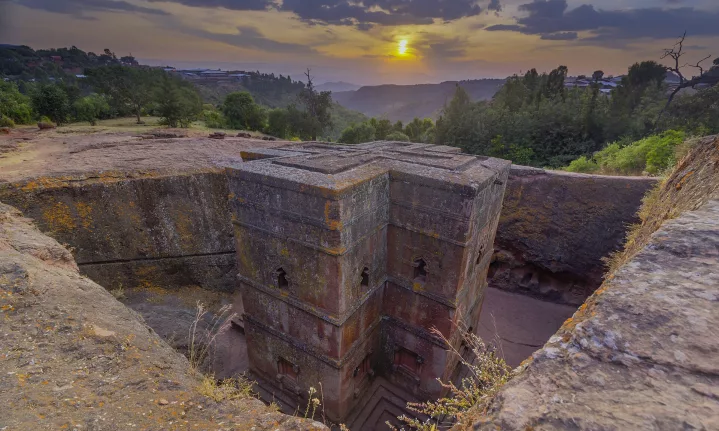
Lalibela, Ethiopia: Churches carved from rock
At Lalibela, 11 medieval churches were carved directly into volcanic rock, creating sacred spaces connected by trenches and passageways.
Dating largely from the 12th and 13th centuries, the churches are traditionally associated with King Lalibela, who sought to establish a holy city resembling Jerusalem.
The Church of St George, or Bete Giyorgis, is particularly striking. It’s cross-shaped roof sits below ground level, surrounded by a deep trench. Lalibela remains an important pilgrimage site for Ethiopian Orthodox Christians.
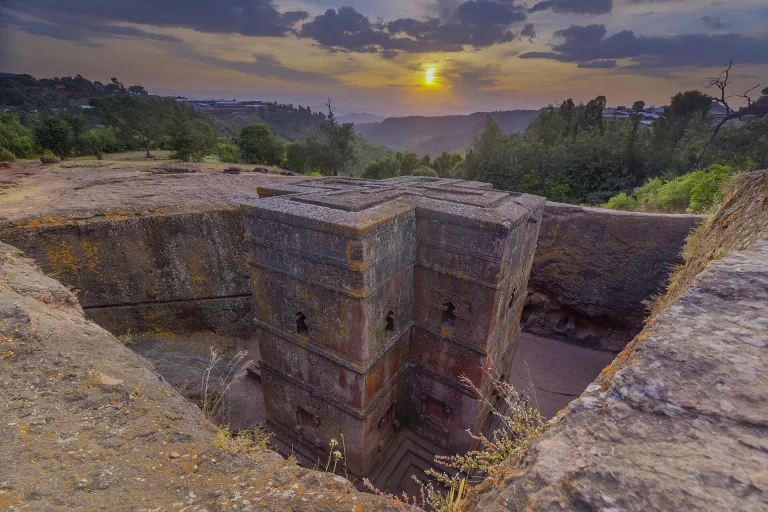
The sunset at Church of Saint George, Lalibela / Thomas Fuhrmann / Wikimedia Commons
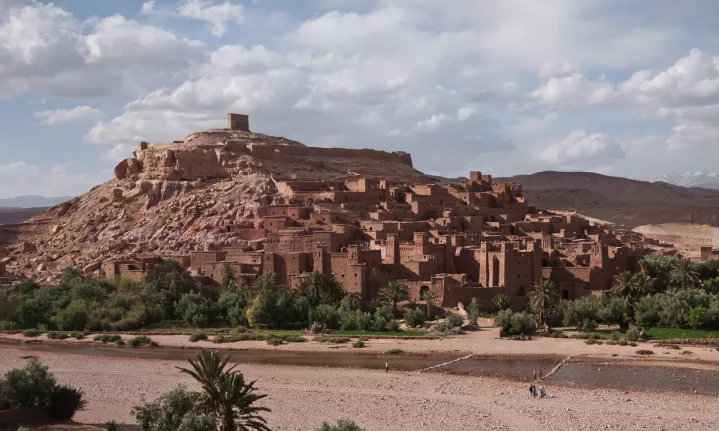
Aït Benhaddou, Morocco: A village built from earth
With it’s ochre walls and tall towers, Aït Benhaddou rises above the landscape on the southern side of Morocco’s High Atlas Mountains.
This fortified settlement, known as a ksar, consists of closely packed earthen buildings surrounded by defensive walls. Local materials and thick walls helped residents adapt to the harsh climate, while decorative patterns give the towers their distinctive character.
The settlement formed part of historic trading routes connecting the Sahara with Marrakesh via the Draa Valley and Tizi-n’Telouet Pass. It’s earthen buildings remain a striking example of traditional Moroccan architecture.
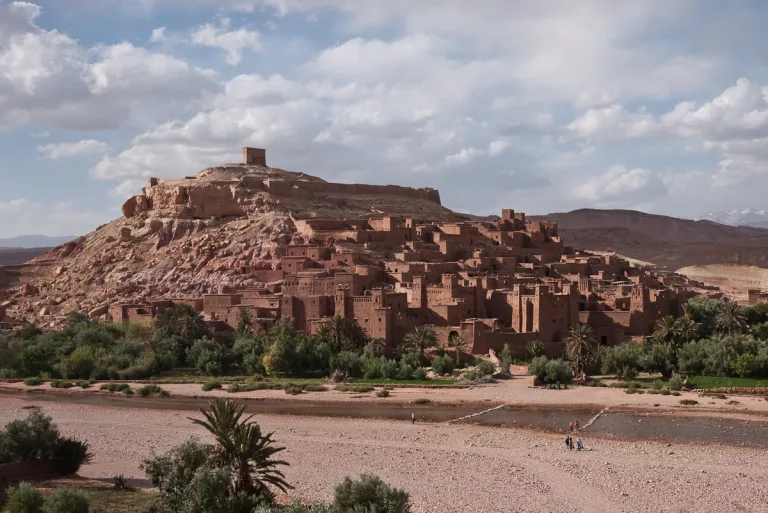
Grand Kasbah of Aït Benhaddou, Morocco / cliff williams / Wikimedia Commons
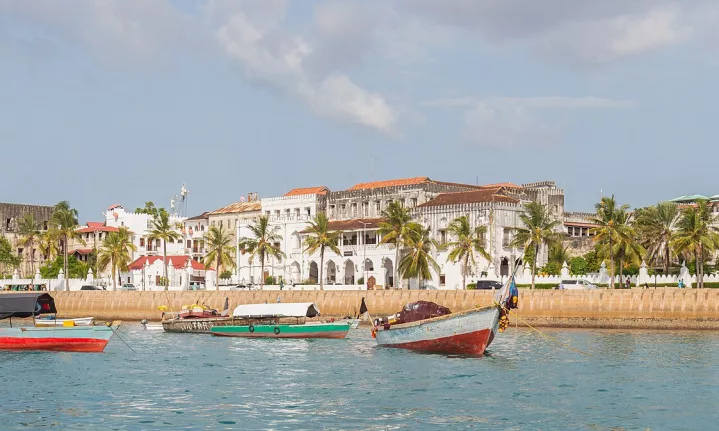
Stone Town, Zanzibar: Architecture shaped by trade
Stone Town’s narrow streets, carved wooden doors and shaded courtyards reflect centuries of Indian Ocean trade.
Swahili, Arab, Indian and European influences come together in it’s buildings. The Old Fort and Old Dispensary are among the landmarks worth exploring, although some of the town’s finest details are found in it’s traditional doorways and courtyards.
Zanzibar’s history also includes it’s role in the East African slave trade, a difficult legacy that remains central to understanding the town.
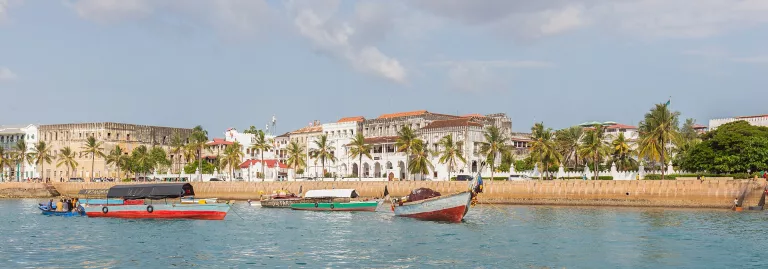
Harbour of Stone Town, Zanzibar, Tanzania / Diego Delso / Wikimedia Commons
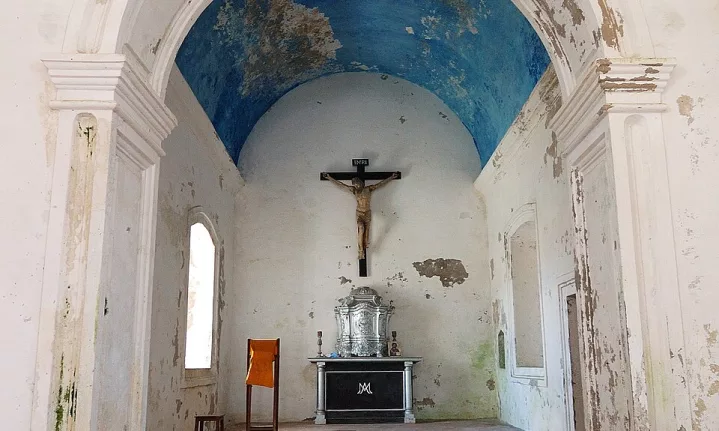
Island of Mozambique: A historic trading port
Off the coast of Nampula Province in northern Mozambique, the Island of Mozambique lies in the Indian Ocean, connected to the mainland by a bridge. It preserves the architectural legacy of centuries of Indian Ocean trade.
The island became a Portuguese trading post in 1507 and later served as the capital of Portuguese East Africa.
In Stone Town, stone-and-lime buildings include former administrative, religious and military structures. Further south, the Macuti neighbourhood is known for traditional Swahili houses, historically roofed with palm leaves. The contrast between the two areas reflects the different communities and building traditions that shaped the island.
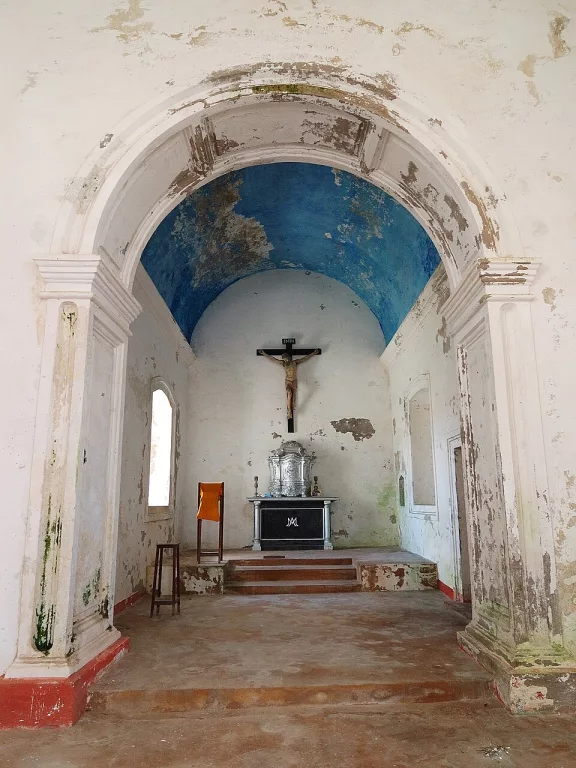
Church Ilha de Moçambique / Rosino / Wikimedia Commons
Fez, Morocco: A showcase of craftsmanship
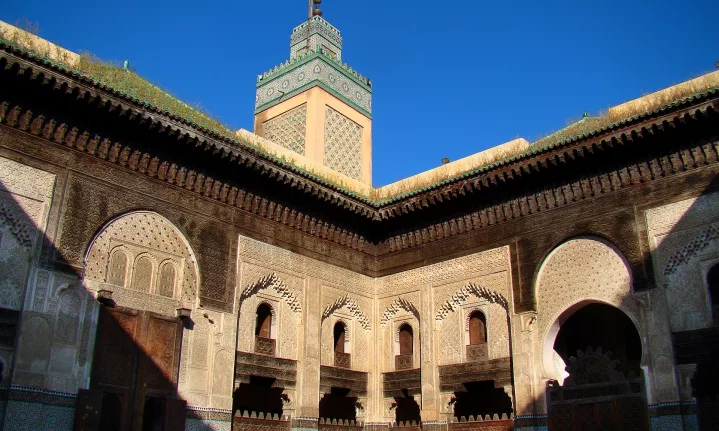
In Fez, some of the finest architectural details are hidden behind plain exterior walls. Traditional courtyards reveal carved cedarwood, geometric mosaics and intricate plasterwork.
Founded between 789 and 808 AD, the city developed into an important cultural and spiritual centre. It’s historic medina contains mosques, madrasas, markets and traditional homes.
The Bou Inania Madrasa stands out for it’s detailed tilework and carved wood, while the surrounding lanes reveal how centuries of craftsmanship remain woven into everyday life.
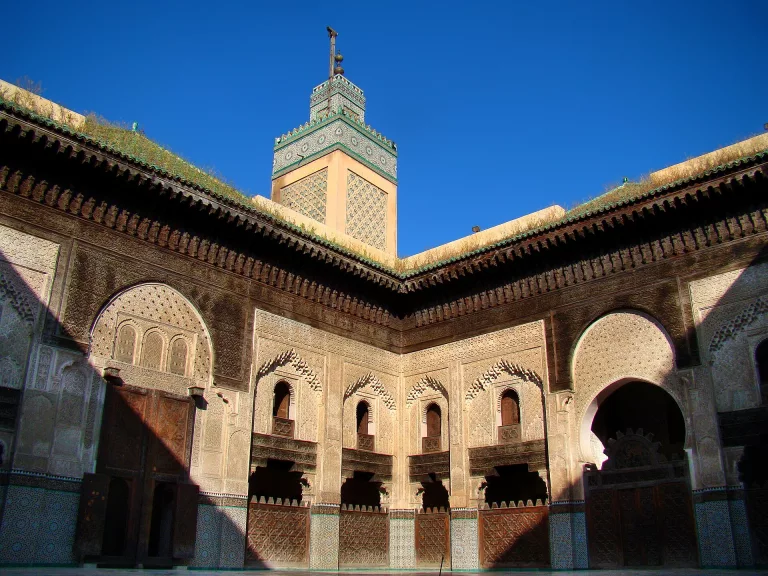
The courtyard and the minaret of Bou Inania Madrasa in Fes, Morocco / Bjørn Christian Tørrissen / Wikimedia Commons
Gondar, Ethiopia: Royal castles
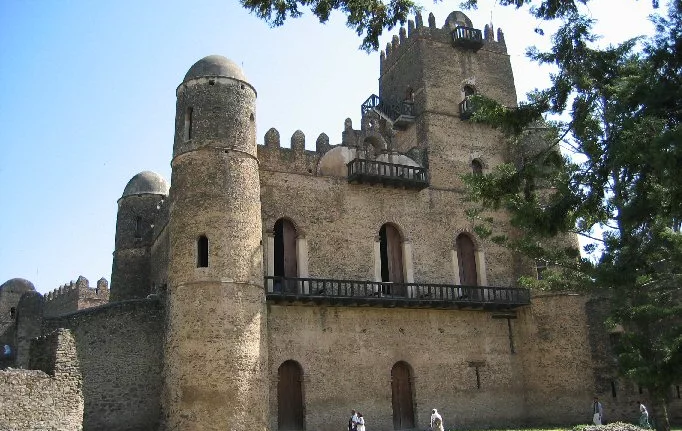
Gondar offers a glimpse into Ethiopia’s imperial past. It became a permanent royal capital in 1636 under Emperor Fasilides, whose successors expanded the fortified compound known as Fasil Ghebbi.
The complex contains castles and palaces combining Ethiopian traditions with Arab, Hindu and Baroque influences. Nearby historic churches and the bathing pavilion associated with Fasilides add to the city’s architectural heritage.
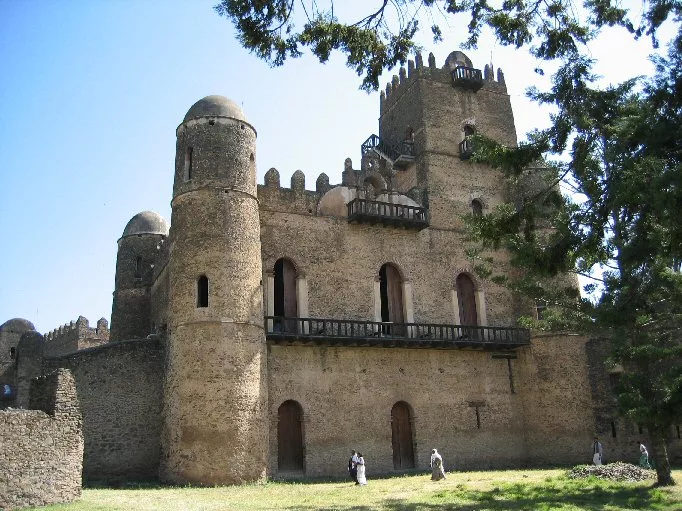
View of Fasilides’ Castle from the Royal Enclosure in Gondar, Ethiopia / de:Benutzer:Pzbinden7 / Wikimedia Commons
Planning your trip
Explore historic districts on foot and consider hiring a local guide to explain their architectural details and history. Respect local customs, particularly at religious sites, and ask before photographing people.
Travel note: Information in this article is correct at the time of publication, but entry requirements, transport access and security conditions can change. Check with the relevant official authorities and consult current travel advisories before booking or planning your trip. This is particularly important for destinations in regions affected by conflict or other security concerns.
Reading Africa through it’s architecture
From Morocco’s earthen villages to Zanzibar’s carved doorways, Africa’s architecture reveals how people lived, worshipped and exchanged ideas across generations. Look beyond the famous landmarks and the buildings themselves become a way to understand each destination’s history.
Follow us on social media for more travel news, inspiration, and guides. You can also tag us to be featured.
Instagram | Facebook | Twitter | Spotify
ALSO READ:
Ethiopia’s coffee ceremony: The ritual behind the world’s favourite drink