



The road to the Cango Caves is reason enough to visit the Klein Karoo, but the landscape surrounding the famous underground attraction deserves its own itinerary.

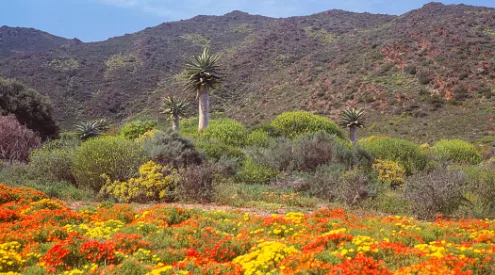
Two ostriches standing in a vibrant flower field with mountains in the background/OudtshoornBy: Eckart Mayer / 500px/Getty Images
Stretching through the foothills of the Swartberg Mountains, the Cango Valley offers a scenic escape shaped by rugged mountain slopes, winding country roads, waterfalls, working farms and the quiet beauty of the Western Cape’s semi-arid interior.
Beyond the limestone formations beneath the earth, the scenery changes with every bend in the road. Travellers can stop to explore a waterfall, visit a farm, take in sweeping mountain views or enjoy the slower rhythm of the countryside.
The Cango Route, which runs from Oudtshoorn through the valley and towards the Swartberg Pass, brings together many of these experiences. While the route can be driven in a few hours, taking the time to explore its stops reveals a different side of the Klein Karoo.
The mountains that shape the valley
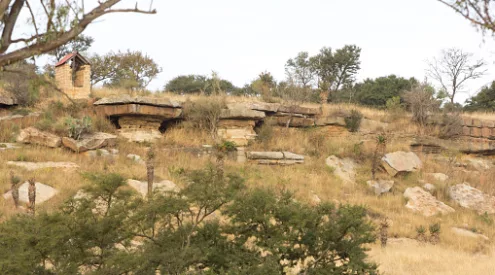
The Cango Valley sits beneath the imposing Swartberg range, whose rugged ridges, folded rock layers and steep slopes help define the Klein Karoo’s distinctive landscape. The mountains are a striking contrast to the dry plains and open scrubland below, creating scenery that changes from rocky outcrops and dusty roads to pockets of vegetation in sheltered areas.
The wider Swartberg region is an important conservation landscape, known for its mountain biodiversity, fynbos, dramatic geological formations and cultural heritage. The mountains are not simply a scenic backdrop; they form an important part of the region’s ecological story.
Travelling through the valley offers glimpses of this natural diversity, particularly where streams, mountain slopes and fynbos meet. For nature lovers, the appeal lies as much in the scenery along the road as it does in the destination at the end of it.
Take the scenic route towards the Swartberg Pass
Few drives capture the rugged character of the Klein Karoo quite like the Swartberg Pass. Connecting Oudtshoorn with Prince Albert, the gravel road winds through the Swartberg Mountains, climbing past steep slopes, dramatic bends and sweeping views of the surrounding countryside.
Built by renowned road engineer Thomas Bain between 1881 and 1888, the pass is a feat of historic road engineering. Its dry-stone retaining walls, tight switchbacks and mountain views make it a memorable road trip, whether travellers are heading towards Prince Albert or simply exploring the surrounding scenery.
The pass is a gravel mountain road, and while a four-wheel-drive vehicle is not generally required under suitable conditions, travellers should take the drive slowly and check road accessibility before setting off. Conditions can change after heavy rain or snow, while narrow sections require careful driving.
For those who want to turn the drive into a longer adventure, the Swartberg Circle Route connects a number of scenic roads and small towns, including De Rust, Klaarstroom, Prince Albert and Oudtshoorn. It is a route best experienced without rushing, with time set aside for roadside stops, photography and exploring the towns along the way.
Find a waterfall tucked into the mountain folds
One of the valley’s worthwhile detours is Rust-en-Vrede Waterfall, tucked into the Swartberg landscape along the Oudemuragie road. The waterfall is reached via a scenic route branching off the road towards the Cango Caves, and offers a quieter outdoor experience away from the main tourist stops.
From the parking area, a short walking trail follows a stream through vegetation, crossing small bridges as it winds towards the waterfall. The contrast between the surrounding dry Klein Karoo terrain and the greenery around the water makes the walk particularly appealing.
At the end of the trail, the waterfall flows into a natural pool surrounded by rocky slopes and vegetation. Visitors can enjoy the walk and the scenery, while picnic and braai facilities are available near the entrance rather than at the waterfall itself. An entrance fee may apply, so check current visitor information before arriving.
The waterfall is also more than a scenic attraction. Water from the area has historically played a role in supplying Oudtshoorn, adding another layer to the story of how people have relied on the landscape.
ALSO READ:
Goukamma: A Garden Route escape built around dunes, trails and water
Experience the valley’s rural character
The Cango Valley’s landscape is shaped not only by mountains and rivers but also by the farms scattered throughout the countryside. Oudtshoorn and its surrounds are synonymous with ostrich farming, an industry that has played a significant role in the region’s history and identity.
Visitors can explore some of the area’s farm-based experiences, from ostrich farms and agricultural attractions to countryside accommodation and local food offerings. Farms along and around the Cango Route also provide opportunities to experience the region’s rural character, with some offering activities, restaurants and other visitor experiences.
Olives are another feature of the Klein Karoo’s agricultural landscape. The region’s farms and producers offer food-related experiences that reflect the area’s agricultural diversity and semi-arid climate.
Rather than treating farm visits as a quick stop, travellers can use them as an opportunity to discover how the Klein Karoo’s climate, landscape and agricultural traditions have shaped life in the valley.
Explore the outdoors beyond the roadside views
The broader Swartberg region offers opportunities for travellers who prefer to experience the landscape on foot or through outdoor activities. Hiking and nature-based excursions can take visitors closer to the mountain environment, while protected areas and surrounding countryside provide opportunities to appreciate the region’s plant life, geology and scenery.
The Swartberg mountain landscape is associated with diverse habitats, conservation areas and evidence of earlier human occupation, including archaeological heritage. Exploring the region offers a closer look at the natural and cultural landscape that stretches beyond the valley’s main tourist attractions.
Travellers interested in hiking should research specific trails and access arrangements before visiting, as routes may require permits, advance planning or particular equipment. The mountain environment can also experience rapidly changing weather conditions, making preparation important.
For those who prefer less strenuous outings, the scenic roads themselves offer opportunities to stop, photograph the landscape, watch for birds and enjoy the quieter stretches of countryside.
A valley shaped by history
The Cango Valley and the broader Swartberg landscape have long been part of the routes connecting communities across the Klein and Great Karoo. Mountain passes, river corridors and farm settlements shaped how people travelled, traded and settled in this rugged region.
The Swartberg itself carries layers of history, from evidence of early San occupation to the arrival of European farmers and the development of routes through the mountains. The historic Swartberg Pass, built by Thomas Bain, remains one of the most visible reminders of how people engineered their way through the formidable landscape.
Oudtshoorn, meanwhile, grew into an important centre of the ostrich industry, helping shape the economic and cultural identity of the Klein Karoo. Exploring the valley’s farms, countryside and historic routes offers a glimpse into how the region developed beyond its natural attractions.
Make a weekend of the Cango Valley
The Cango Valley is easy to approach as a day trip from Oudtshoorn, but a longer stay allows visitors to explore its scenery at a more leisurely pace. The Cango Route offers a combination of mountain drives, farm experiences, outdoor activities and countryside accommodation, making it an appealing addition to a Klein Karoo road trip.
Travellers can spend a morning exploring the valley’s scenic roads, stop for a walk at Rust-en-Vrede Waterfall, visit a farm or local producer, and extend the journey towards the Swartberg Pass. Those with more time can explore sections of the Swartberg Circle Route, linking Oudtshoorn with towns such as De Rust and Prince Albert.
The mountains, farms and open spaces around the Cango Caves offer a reminder that the Klein Karoo is best experienced beyond its headline attractions. Take the scenic road, stop where the landscape catches your attention and leave enough time to discover the quieter corners of the valley.
Follow us on social media for more travel news, inspiration, and guides. You can also tag us to be featured.
Instagram | Facebook | Twitter | Spotify
ALSO READ:
Mzinyathi Falls: The dramatic waterfall tucked into KwaZulu-Natal’s green hills