





The Garden Route has long been one of South Africa’s most iconic road trips. Stretching along the country’s southern coastline between Mossel Bay and Storms River, the route is packed with forests, beaches, mountain passes, charming towns and countless opportunities to pull over for “just one quick stop”.
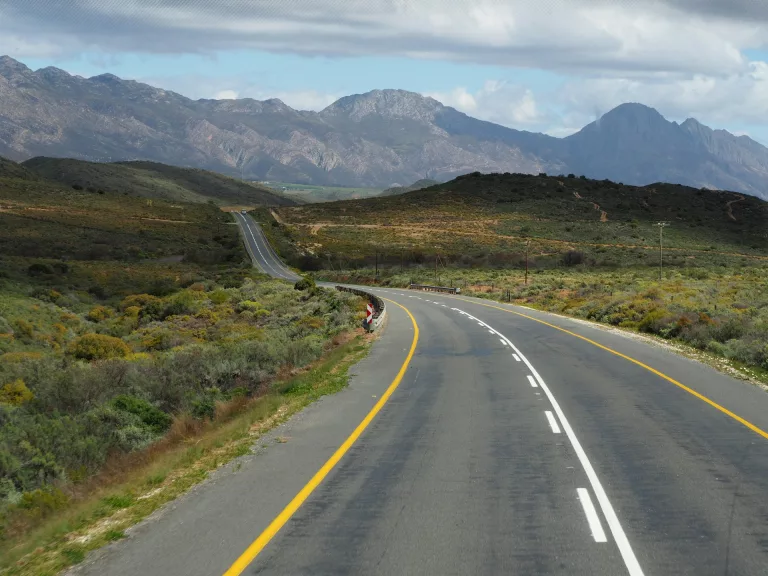
Image used for illustrative purposes/Martijn Vermeltfoort/Unsplash
That’s exactly what makes it so memorable. It’s also what can catch travellers off guard.
Most people remember to budget for accommodation and fuel, but a successful road trip involves far more than those two essentials. Small expenses can quickly add up, especially when you’re tempted by scenic detours, local markets and adventure activities along the way.
Before you pack the car and set your GPS, here are 15 things worth factoring into your Garden Route budget.
Fuel is only part of the driving costs
Fuel will likely be one of your biggest expenses, but it’s not the only one. Longer distances, mountain passes, traffic in busy towns, and frequent sightseeing detours can all increase fuel consumption.
If you’re travelling in a larger SUV, towing a trailer or caravan, or carrying bikes and camping gear, expect to use more fuel than you would on your daily commute.
Don’t forget about toll gates
Many travellers overlook toll fees when planning their holiday budget.
If you’re travelling the full Garden Route along the N2, you’ll pass through the Tsitsikamma Toll Plaza near Storms River. While it’s a relatively small expense compared to the overall trip, it’s worth accounting for before you leave.
Accommodation isn’t your only overnight expense
Whether you’re staying in a luxury lodge, self-catering cottage or campsite, there are often additional costs to consider.
These may include:
- Tourism levies
- Cleaning fees
- Firewood for a braai
- Ice for cooler boxes
- Laundry facilities (not often, as people might pack dirty clothes into a separate bag, but it’s an idea to consider)
- Extra parking charges at some properties
Reading what’s included before booking can help avoid surprises at check-in.
ALSO READ:
The quieter side of Cape Town’s coastline: 8 beaches worth the detour
National park and reserve entrance fees
Some of the Garden Route’s most spectacular attractions fall within protected areas.
If your itinerary includes places like Tsitsikamma National Park, Wilderness National Park, Robberg Nature Reserve or even an extension to Addo Elephant National Park, remember to budget for conservation fees.
If you’re planning to visit several South African National Parks during the year, a SANParks Wild Card could offer good value.
Adventure activities can quickly become the biggest expense
The Garden Route is South Africa’s adventure capital, making it easy to fill your itinerary with unforgettable experiences.
Depending on where you stop, you might be tempted by:
- Canopy tours through indigenous forests
- Kayaking or paddleboarding
- Boat cruises
- Whale watching (seasonal)
- Bungee jumping
- Ziplining
- Wildlife encounters
Booking one or two activities is manageable, but several over the course of a week can significantly increase your holiday budget.
Farm stalls are impossible to resist
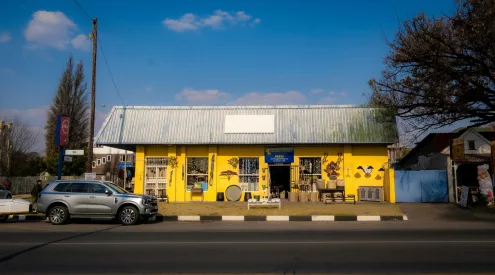
One of the joys of a Garden Route road trip is stopping at roadside farm stalls.
Fresh bread, homemade pies, local cheeses, preserves, biltong, handmade crafts and fresh produce often prove too tempting to pass up. Even if you only planned to stop for coffee, it’s surprisingly easy to leave with a basket full of local treats.
Leave a little room in your budget for these spontaneous purchases. Supporting local businesses is part of the experience.
Coffee stops become part of the adventure
Road trips and good coffee go hand in hand.
Whether you’re enjoying a cappuccino in Wilderness, grabbing a pastry in Knysna or taking a break at a country café outside Plettenberg Bay, these small stops become memorable moments along the journey.
Rather than seeing them as unexpected expenses, consider them part of the road trip experience.
Restaurant meals often outnumber the ones you planned
Even travellers staying in self-catering accommodation often end up eating out more than expected.
You might plan to cook dinner every night, but after a full day of exploring, a seafood meal overlooking the ocean or dinner at a local restaurant can be hard to resist.
Building a little flexibility into your food budget makes these decisions easier.
Parking fees can add up
While many attractions offer free parking, some beaches, popular viewpoints and private attractions charge parking fees.
Having a bank card or some cash available can make these quick stops more convenient.
The weather can change your plans
The Garden Route’s weather can be unpredictable, even in summer.
A rainy day may encourage an indoor activity, a museum visit, or a café stop instead of a beach day. Having a small contingency fund allows you to adapt without worrying about your budget.
Souvenirs are part of the memories
Every town along the Garden Route has something unique to take home.
Whether it’s locally made pottery, artwork, handcrafted jewellery or regional food products, these purchases often become treasured reminders of the trip.
Rather than treating them as impulse buys, include a souvenir budget from the start.
Leave room for unexpected detours
Some of the best Garden Route experiences aren’t on your itinerary.
A hidden waterfall, scenic lookout, quiet beach, or recommendation from a local can easily turn into an unplanned stop that requires an entrance fee or an extra meal along the way.
A little flexibility allows you to say “yes” to these moments.
Prepare for small emergencies
Hopefully you won’t need it, but it’s wise to set aside a small emergency fund.
This could cover:
- A tyre repair
- Windscreen damage
- Medical supplies
- Extra fuel
- Vehicle recovery assistance
- Unexpected accommodation changes
It’s always better to have it and not need it than the other way around.
Pack wisely to avoid buying forgotten essentials
A forgotten phone charger, sunscreen, hat, or rain jacket may seem insignificant, but replacing them while travelling quickly adds up.
Packing carefully before departure can help keep unnecessary spending to a minimum.
The best budget includes a little flexibility
Perhaps the biggest mistake travellers make is planning every rand too tightly.
The Garden Route is designed for slow travel. You’ll discover cafés you didn’t know existed, viewpoints worth lingering at and local experiences that never appeared in your original itinerary.
Allowing yourself a little financial flexibility means you can embrace those unexpected moments without worrying about overspending.
Planning for more than just fuel and accommodation won’t necessarily make your holiday more expensive. Instead, it helps you travel with fewer surprises and more freedom to enjoy one of South Africa’s most rewarding road trips at your own pace.
Follow us on social media for more travel news, inspiration, and guides. You can also tag us to be featured.
Instagram | Facebook | Twitter | Spotify
ALSO READ:
From bush to beach: Why the Eastern Cape is ideal for a winter escape