



South Africa’s safari industry is proving that luxury and sustainability can go hand-in-hand. From solar-powered suites to pangolin rescue projects, these lodges are setting the standard for responsible travel – protecting biodiversity, uplifting communities, and leaving a lighter footprint on the land.
1. Tswalu Kalahari Reserve – Northern Cape

Springbok pronking, Tswalu Kalahari Reserve/Charles J Sharp/Wikimedia Commons
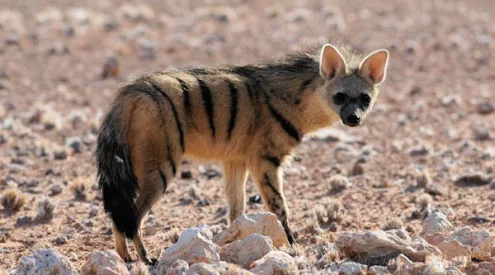
Meaning “a new beginning,” Tswalu is South Africa’s largest private reserve, transformed from farmland into a thriving Kalahari ecosystem. Indigenous wildlife such as pangolin, aardvark, meerkats, and Kalahari lions roam freely. A dedicated sustainability officer ensures eco-standards are met, while the onsite health clinic and preschool serve the local community free of charge.
Highlights:
- Largest private reserve in SA
- Indigenous species reintroduction
- Free healthcare & education for locals
2. Phinda Forest Lodge – KwaZulu-Natal

Cheetahs at Phinda Forest Lodge/Roberta Doyle roscalabrin/Wikimedia Commons
Part of the &Beyond Phinda Private Game Reserve, this lodge safeguards seven unique ecosystems. Its anti-poaching unit works around the clock, and its conservation team leads the rehabilitation and release of pangolins rescued from the illegal wildlife trade. On-site water filtration and the elimination of plastic bottles underline its eco-commitment.
Highlights:
- 24/7 anti-poaching patrols
- Pangolin rehabilitation programme
- Plastic-free & water filtration systems
3. Grootbos Private Nature Reserve – Western Cape

A global leader in responsible tourism, Grootbos is dedicated to fynbos conservation and marine protection. The Grootbos Foundation runs education and skills programmes for surrounding communities, alongside large-scale biodiversity research.
Highlights:
- Conservation foundation & research projects
- Community education & skills training
- Protects rare fynbos habitats
ALSO READ: Cradled by the Koue Bokkeveld Mountains
4. Sabi Sabi Earth Lodge – Mpumalanga
A masterclass in blending opulence with sustainability, Sabi Sabi Earth Lodge uses solar power, water recycling, and locally sourced produce. It supports multiple community upliftment programmes and plays an active role in conservation research.
Highlights:
- Solar-powered & water recycling
- Locally sourced cuisine
- Community conservation projects
5. !Xaus Lodge – Kgalagadi Transfrontier Park

Springbok in Kgalagadi Transfrontier Park/Jaro Nemčok/Wikimedia Commons
Owned by the ‡Khomani San and Mier communities, !Xaus Lodge is a cultural and environmental showcase. Built with minimal impact, it’s energy-efficient and adorned with locally handcrafted décor.
Highlights:
- Community-owned & managed
- Energy-efficient design
- Supports cultural heritage
6. Samara Karoo Reserve – Eastern Cape
Samara is restoring the Karoo’s wild heart, reintroducing cheetah, elephant, and other species. Solar power, regenerative farm partnerships, and a deep focus on climate-conscious travel make it a standout.
Highlights:
- Rewilding & species reintroduction
- Solar-powered operations
- Local farm sourcing
Why these lodges matter
Each of these safari camps is proof that travel can be a force for good – protecting South Africa’s natural heritage while empowering the people who live alongside it. Choosing one of them means your safari directly contributes to conservation and community well-being.
Follow us on social media for more travel news, inspiration, and guides. You can also tag us to be featured.
TikTok | Instagram | Facebook | Twitter
ALSO READ: Wildlife, wine, and winter: A South African heritage escape

_pronking_2.jpg)
.jpg)

