



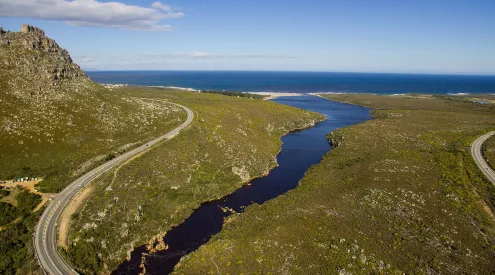

The car is packed, the out-of-office is on, and your throat has started to scratch. Here is why holiday sickness happens and a road-ready plan to keep it from hijacking your trip.

Photo: HealthLab / Supplied
It’s 4:30 am. The roof rack is strapped down, the cooler box is wedged between the kids, and you’re finally pulling out of the driveway. You’ve been counting down to this for eleven months. Then you swallow, and your throat feels like you’ve gargled with gravel.
If that sounds painfully familiar, you’re in good company. Plenty of travellers fall ill just as the pressure drops, and a few smart habits can protect your hard-earned leave.
The great switch-off: why your body picks day one
Scientists call it the “let-down effect”, or leisure sickness. During long stretches of stress your body pumps out cortisol and adrenaline, which keep you alert and can even give your immune system a short-term boost. When the stress ends, those hormone levels drop. Symptoms that were quietly simmering can then show up.
It’s fair to be a little sceptical, though. Studies on leisure sickness are very limited and often not well designed. A Dutch survey in 2002 of nearly 1,900 people found that around 3% regularly fell ill on weekends or at the start of holidays. Travel adds its own load. Holidays often mean enclosed, crowded spaces such as planes, which expose you to more germs.
The 2 am packing session is the real villain
Nobody sleeps well the night before a big trip. That matters, because in one study of 153 healthy adults, people who averaged under seven hours of sleep were nearly three times more likely to develop a cold than those who got eight or more. A later study using sleep sensors found that people sleeping under six hours were 4.2 times more likely to catch a cold than those sleeping more than seven.
So pack the car the day before, and not at midnight. An early night before a 1,400 km drive to the Wild Coast beats an extra hour of fiddling with the roof rack.
Ease off the brakes, don’t slam them
Going from 100 km/h at work to horizontal in a camping chair can be a shock to the system. One expert suggests staying gently active for the first few days of your holiday, rather than going from a hectic schedule to doing nothing. Think a short sunrise walk, a swim, or an easy day hike before the serious loafing.
If you’re prone to migraines, take note. In a 2014 diary study, people with migraine who recorded a drop in stress usually developed a migraine within the next 24 hours. Keep your regular routine of meals, water and caffeine steady, and keep your usual medication within easy reach.
Campsite hygiene: the unglamorous hero
Colds aren’t the only thing that can spoil a trip. Travellers’ diarrhoea is the most predictable travel illness, striking anywhere from 30% to 70% of travellers depending on destination and season, according to the CDC Yellow Book. Your best defence is boringly simple.
The CDC says to scrub with soap for at least 20 seconds. If soap and water aren’t available, use a hand sanitiser with at least 60% alcohol. At camp your hands are often visibly grubby, and sanitiser can work less well on visibly dirty hands, so wipe or rinse the worst off first.
Choose your food as carefully as your campsite. The CDC advises eating food that is cooked and served hot, eating raw fruit and vegetables only if washed in clean water or peeled, and drinking from sealed containers while avoiding ice. A simple meal plan for the road makes this easier, because you’ll buy and cook with intent rather than grabbing whatever the garage has under the heat lamp. If you live with diabetes or take chronic medication, personalised nutrition advice will serve you better than any generic cooler-box list.
The road-trip immunity kit
Screenshot this one for your phone before you lose signal:
- Sleep banked: aim for at least seven hours for the two nights before departure.
- Soap, plus sanitiser with 60% or more alcohol for fuel stops and bush loos.
- Oral rehydration sachets. Packets of WHO-type oral rehydration salts are sold in pharmacies and stores in most countries. Mix them with bottled or boiled water.
- Insect repellent with at least 10% DEET, plus long sleeves and trousers at dusk, covering feet and ankles in particular.
- Your regular medication, in your hand luggage or the front of the car, with a few days’ spare.
- Pain and fever relief, and a thermometer, chosen with your pharmacist.
- A phone note with where you’ve been and the dates, for any doctor you see later.
- Malaria plan: if you’re heading to the lowveld, a malaria area or across the border, speak to a pharmacist or travel clinic before you leave.
When “just a cold” isn’t: a calm word on fever
Most holiday sniffles are only that. Diarrhoea in adults usually settles within three to five days with fluids and rehydration solution. But see a doctor if you can’t keep fluids down, have a fever or blood in your stool, or notice dehydration signs such as dry mouth, intense thirst, little or no urination, dizziness or extreme weakness.
The one to take seriously is malaria. South Africa’s NICD says the risk areas are mainly the north-eastern parts of Limpopo, Mpumalanga and northern KwaZulu-Natal. Its early symptoms look like flu: headache, fever, chills, fatigue, and muscle and joint pain. The NICD says to report any flu-like illness within three weeks of potential exposure and ask for a malaria test. That holds even if you took precautions, because they greatly lower the risk but never remove it completely.
Tick bite fever is another one to watch if you’ve been in the bush. Early on it can look like malaria, with fever and severe headache, and finding an attached tick of any size is a warning sign. Whatever the symptoms, tell your doctor where you went and what you did.
You earned this leave. Guard the first 48 hours as fiercely as you’d guard the last rusk in the tin, and your body will be ready when the view finally opens up.
ALSO SEE: Wide awake in a gorgeous lodge? Your brain is on night watch
Wide awake in a gorgeous lodge? Your brain is on night watch