



Sri Lanka is a wildlife lover’s dream destination.
There is something magical about this island nation. It is where tropical beaches meet untamed jungles. For travellers looking to combine adventure with serenity, Sri Lanka offers some of the most unique wildlife experiences in the world. Explore unique encounters from leopard sightings and elephant gatherings to misty rainforest trails. And since the Sri Lanka vs South Africa match for the ICC Women’s World Cup is just around the corner, there has never been a better time to plan a trip that blends wild nature with the excitement of sport.
Leopards in Yala National Park
Yala National Park is often considered the crown jewel of Sri Lankan safaris. It is famed for having among the highest densities of leopards on earth, with some estimates suggesting as many as one big cat per square kilometre in certain areas.
But leopards are elusive. You will want an early morning or late afternoon drive with experienced guides who know where to look. The experience of spotting one as it slinks through scrub or pauses by a clearing is an adrenaline rush unlike any other. Along the way, you will also see sloth bears, wild boar, deer and many bird species in the mosaic habitat of forest, grassland and lagoons.
To avoid peak crowds, time your visit outside the popular December to March period.
The “Elephant Gathering” at Minneriya

Few wildlife spectacles rival Sri Lanka’s famous elephant gathering. Each dry season, hundreds of Asian elephants converge on the Minneriya reservoir to drink, bathe and socialize. This convergence is nicknamed “The Gathering” and is one of the largest concentrations of wild elephants in the world during a single season. It is a dramatic sight: tusks, trunks and ears, young calves and old bulls, all interacting on a shimmering lake shoreline.
A late afternoon jeep safari to Minneriya is your best bet. As water recedes, wildlife crowds closer to the remaining ponds, making sightings more likely and vivid. This is not just a photo opportunity; it is a moment of immersion in nature’s rhythms.
Boat Safaris in Gal Oya

Gal Oya Valley National Park/Mahendra Prasad Peiris/Wikimedia Commons
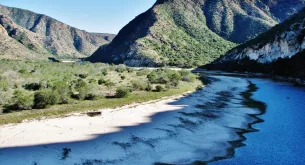
While the island is known for jeep safaris, one of the most unique experiences lies in Gal Oya National Park, where you can go on a boat safari rather than travel by land.
Here, elephants sometimes swim between islands, water monitor lizards bask on riverbanks, and flocks of wetland birds dance on the water’s edges. You may drift past stealthy macaques, herons, kingfishers and a surprising variety of reptiles. For sheer novelty, few wildlife tours in Asia allow such a blend of aquatic and terrestrial viewing in one journey. Staying at Gal Oya Lodge or a similar riverside camp provides early and late access, when wildlife is most active and the light is soft and golden.
Sinharaja Forest Reserve

A.Savin/Wikimedia Commons
Deep in the southwestern wet zone is the Sinharaja Forest Reserve, a UNESCO World Heritage rainforest and one of the last remnants of primary forest in Sri Lanka. Over two thirds of its flora are endemic.
In this verdant world, the focus is on endemic birds, amphibians, reptiles, insects and mammals. You might see the rare purple-faced langur, rusty-spotted cat, giant squirrels, and a wide range of insect species. Birdwatchers will thrill at the Sri Lanka blue magpie, red-faced malkoha and numerous other endemics.
Guided walks on forest trails, often at dawn or dusk, are the best way to explore. The air is thick with humidity, filled with the smell of earth and growth, and alive with calls from hidden creatures.
Wilpattu National Park

Senash Thenuja/Unsplash
If you want a wilder and less visited safari, head to Wilpattu National Park, Sri Lanka’s largest park. Because it saw reduced tourism during years of conflict and remains less crowded, it often feels like true wilderness.
Here you might spot leopards, sloth bears, deer, crocodiles and more across scrub, lakes and forest patches. The many natural “villus,” or lakes, scattered across the park attract wildlife, offering fine vantage points. If you combine Wilpattu with a stay in the nearby villages, you will feel as though you have slipped out of time.
Udawalawe National Park

Shyaman Prasad/Unsplash
For a more certain encounter with elephants, Udawalawe National Park seldom disappoints. With over 400 Asian elephants residing across grassland, scrub and reservoir edges, sightings are almost guaranteed on a good safari. Beyond elephants, you will see deer, wild boar, buffalo, jackal, crocodiles and many bird species. With fewer tourists than Yala, your safari here feels more relaxed and contemplative.
If you time it just right, at dusk or dawn you may see silhouettes of elephants against a glowing sky, water rippling gently at their feet.
Birding and Botany

Rijk van de Kaa/Unsplash
Sri Lanka is also a birding paradise. Nearly 30 bird species are endemic, and hundreds more are resident or migratory. From highland mist forests to coastal lagoons, birdwatchers can chase the Sri Lankan magpie, Serendib scops owl, Sri Lanka whistling thrush and many others.
Botanists and nature lovers will enjoy rare orchids, giant ferns, moss dripping forests and the many microhabitats found across tropical zones. Everywhere you turn, there is some secret to uncover, whether it be a frog, a moth or a gecko. Sri Lanka rewards those who move slowly and observe deeply.
When to visit and how to combine encounters
Timing matters. The dry season, roughly May to September, is best for elephant gatherings and more open grasses, but it can mean high temperatures. Rainier months bring lushness and new life but more challenge in travel.
It is wise to combine safari zones. For example, you could begin in the wet zone at Sinharaja, move to Udawalawe, then take a boat safari in Gal Oya before finishing in Yala or Wilpattu. A well paced itinerary may let you sample all these experiences in one trip.
Tips for Ethical Wildlife Encounters
- Always choose local guides who follow conservation best practices.
- Keep a respectful distance and avoid disturbing animals.
- Avoid overcrowded parks if you want solitude; some of Sri Lanka’s lesser known reserves offer richer emotional connection.
- Support community-based tourism and conservation efforts.
- Visit outside peak hours when animals are most active and crowds are fewer.
With global events like the Women’s World Cup putting Sri Lanka on the world stage, there is no better excuse to come see what makes this place so special. Pack your binoculars, grab your camera and let Sri Lanka’s wild side take you on an unforgettable adventure.
Follow us on social media for more travel news, inspiration, and guides. You can also tag us to be featured.
TikTok | Instagram | Facebook | Twitter
ALSO READ: Bush Breaks for Beginners: Safari Lodges That Ease You In