






Over the past week, several initiatives and observations have highlighted effective approaches to protecting biodiversity.

Southern brown bandicoot (Isoodon obesulus)/Calistemon/Wikimedia Commons
These include improving habitat connectivity, adapting infrastructure to reduce human-wildlife conflict, supporting apex predator recovery, and strengthening ecosystem-level conservation.
Habitat connectivity and species survival
In Australia, a new wildlife corridor near Melbourne is being developed to support populations of the southern brown bandicoot. This small marsupial relies on dense vegetation and requires access to multiple habitat areas to feed and reproduce.
Habitat fragmentation is one of the primary drivers of biodiversity loss. When landscapes are divided by urban development, agriculture, or infrastructure, animal populations become isolated. This isolation can reduce genetic diversity, limit access to food, and increase vulnerability to local extinction.
Wildlife corridors address this issue by physically linking separated habitats. They allow animals to move between areas safely, which supports breeding and strengthens population resilience. Research has shown that connected landscapes are more effective in sustaining species over time than isolated protected areas.
(Source: Herald Sun)
Reducing road mortality in freshwater species
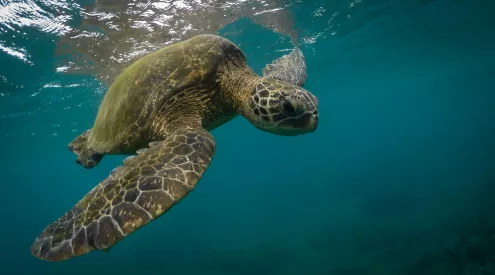
In the United States, conservation measures along a highway near the Mississippi River are reducing mortality rates among freshwater turtles. These interventions include physical barriers that prevent animals from entering high-risk road sections and structures that guide them toward safer crossing points.
Freshwater turtles are particularly vulnerable to road mortality because of their slow movement and seasonal migration patterns. Many species travel between aquatic habitats and nesting sites, which often requires crossing roads. Even low levels of mortality can have significant impacts on populations because turtles typically have long lifespans and low reproductive rates.
Infrastructure adaptations such as wildlife crossings and exclusion fencing are increasingly recognised as effective conservation tools. They demonstrate that transport planning can be aligned with ecological considerations to reduce negative impacts on wildlife.
(Source: The Telegraph)
Apex predator monitoring and ecosystem health
In Honduras, a recent camera trap image has confirmed the presence of a jaguar in a mountainous forest region where the species had not been recorded for nearly a decade.
Jaguars are apex predators and play a critical role in maintaining ecosystem balance. Their presence influences prey populations and can have cascading effects on vegetation and other species. Because they require large territories and are sensitive to human disturbance, they are often used as indicators of ecosystem health.
The reappearance of a jaguar in this area suggests that conservation efforts such as anti-poaching measures and habitat protection are contributing to ecological recovery. Continued monitoring will be necessary to determine whether this represents a stable population or a transient individual.
(Source: New York Post)
The importance of freshwater ecosystems
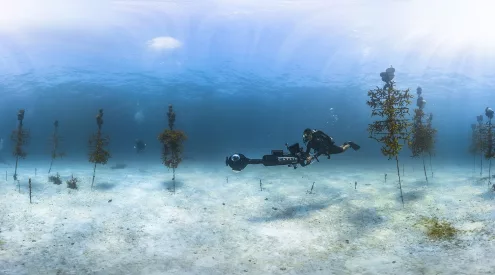
Recent attention around Earth Day has also emphasised the importance of freshwater systems in conservation planning. Rivers, wetlands, and catchments support a wide range of species and provide essential ecosystem services.
Freshwater ecosystems are among the most threatened globally due to pollution, water extraction, and land-use change. Protecting these systems is critical for maintaining biodiversity, as well as for supporting human communities that depend on clean water.
Current initiatives are focusing on restoring natural water flows, improving water quality, and protecting critical habitats. These efforts recognise that conservation outcomes are closely linked to the health of entire ecosystems rather than individual species alone.
(Source: Reuters)
Conclusion
The developments observed over the past week illustrate several key principles in modern conservation practice. Effective strategies often focus on maintaining ecological connectivity, reducing direct human impacts, protecting keystone and indicator species, and managing ecosystems at a broader scale.
While each initiative addresses a specific challenge, together they reflect a more integrated and evidence-based approach to conservation. This approach increases the likelihood of long-term success in preserving biodiversity in a changing environment.
Follow us on social media for more travel news, inspiration, and guides. You can also tag us to be featured.
TikTok | Instagram | Facebook | Twitter
ALSO READ:
8 tips on how to travel in “bad” weather without losing your mind (or your socks)







_at_Goegrup_Lake_Nature_Reserve,_August_2023_03.jpg)