





Winter changes everything.
Arthur Hickinbotham/Unsplash
While many travellers pack away their holiday plans once temperatures drop, a new report suggests the colder months may be one of the best times to explore South Africa. From spectacular whale watching along the coast to world class safari experiences in the bush, winter offers fewer crowds, lower prices and some of the country’s most rewarding travel moments.
The newly released Winter Warmth Index, compiled by Radisson Hotel Group, ranks some of South Africa’s top cold season destinations using insights from hotel general managers across the country. Rather than focusing on temperature alone, the guide considers seasonal experiences, wildlife viewing, value for money and the overall atmosphere that makes each region shine during winter.
Cape Town comes into its own
Winter transforms the Mother City into a slower, more relaxed destination. Popular restaurants become easier to book, attractions are less crowded and dramatic Atlantic weather creates striking coastal scenery. It’s also an ideal season to explore museums, galleries and wine estates between passing cold fronts. Just beyond the city, Hermanus enters its peak whale watching season as Southern Right whales arrive close to shore. Those tempted by an ocean dip should be prepared for water temperatures of around 14 degrees Celsius.
Johannesburg enjoys crisp sunny days
While much of the Western Cape experiences its rainy season, Johannesburg enjoys clear blue skies and around nine hours of sunshine a day throughout winter. The dry conditions create ideal weather for outdoor markets, botanical garden strolls and rooftop dining, with cool mornings giving way to pleasant afternoons.
Winter is safari season in the Lowveld
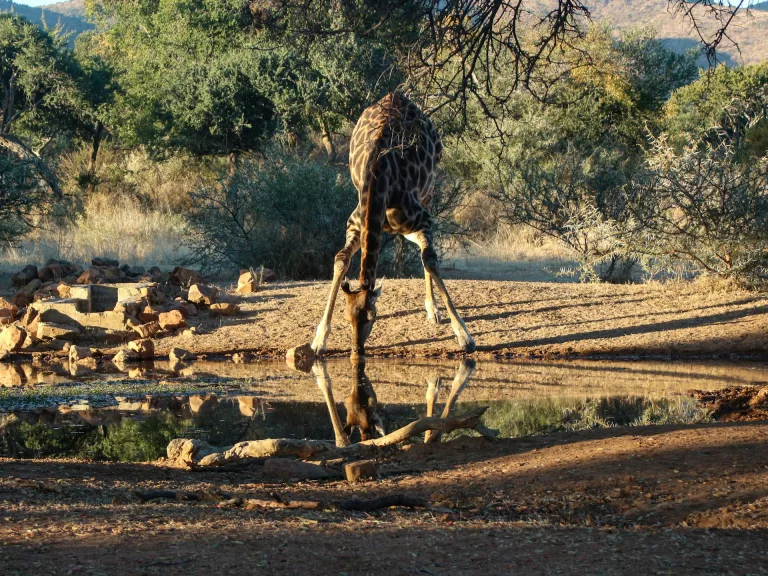
For wildlife enthusiasts, winter is widely regarded as the best time to visit the Lowveld. Dry conditions thin out the vegetation and concentrate animals around water sources, making game viewing easier. Cooler temperatures also make safari drives more comfortable, while mosquito numbers are generally lower than during the summer months. Early morning game drives offer particularly good chances of spotting predators before the heat of the day.
The Eastern Cape delivers spectacular whale watching
From June to November, Southern Right whales gather along the Eastern Cape coastline to calve and nurse their young. Winter visitors can enjoy quieter beaches, scenic coastal walks and excellent whale watching while also exploring nearby malaria free reserves, including those surrounding Addo, without the peak season crowds.
Durban barely notices winter
For travellers chasing sunshine, Durban and Umhlanga remain warm throughout winter. Average daytime temperatures hover around 21 to 22 degrees Celsius, with sea temperatures staying close to 21 degrees in July. That means beach walks, surfing and swimming remain firmly on the itinerary, even in the middle of winter.
Sandra Kneubuhler, Managing Director for Sub Saharan Africa at Radisson Hotel Group, says there is no single standout destination during a South African winter.
“There’s no single best place to be in a South African winter, and that’s exactly the point. From the coast to the bush, each region has its moment in these months. The only wrong choice is staying home.”
The Winter Warmth Index suggests South Africa’s quieter travel season deserves a second look. Whether it’s whale watching in the Cape, spotting wildlife in the bush or soaking up sunshine on the KwaZulu Natal coast, winter may be one of the country’s best kept travel secrets.
Follow us on social media for more travel news, inspiration, and guides. You can also tag us to be featured.
Instagram | Facebook | Twitter | Spotify
ALSO READ:
Travel, 4×4 and adventure shows every South African should watch