





Small creatures are easy to overlook, yet these animals can tell us something important about the environment around them.
DIRK TOERIEN/Unsplash
Their presence, absence and abundance offer scientists valuable clues about the health of freshwater ecosystems.
From dragonflies to aquatic insects that spend much of their lives hidden beneath the water, these small animals are part of a natural monitoring system. They respond to changes in water quality, habitat and climate, often revealing environmental pressures that might otherwise go unnoticed.
Scientists call them indicator species. Learning how they live, as well as what they need to survive, can help us understand why protecting wetlands and waterways matters.
What exactly is an indicator species?
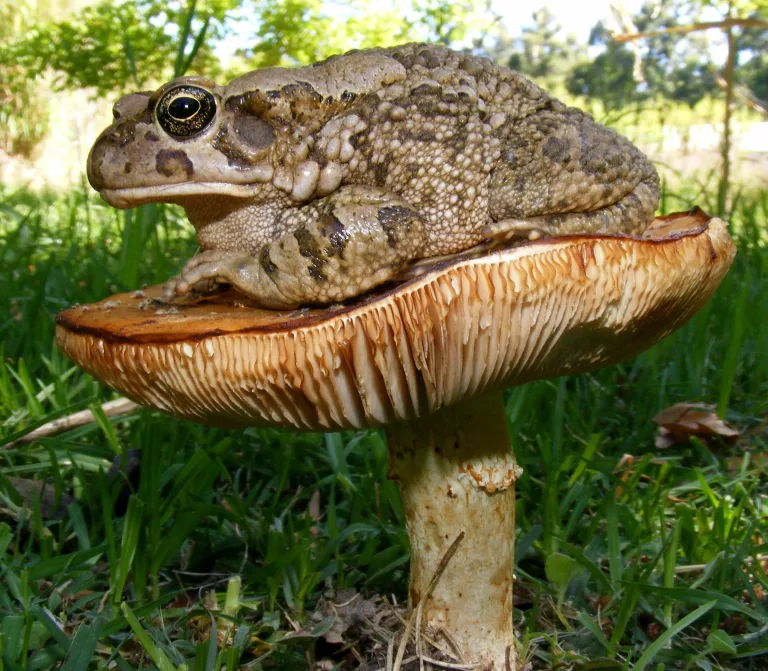
An indicator species is an organism whose condition, presence or distribution provides information about the environment. Some species are particularly sensitive to pollution, changes in water temperature or the destruction of their habitat. When their populations decline, researchers may investigate whether environmental conditions have deteriorated. Frogs are particularly useful indicators because their life cycles often connect land and water. Most lay their eggs in or near water, and many species develop through a tadpole stage before becoming adults. Their permeable skin also makes them vulnerable to certain pollutants and changes in their surroundings.
However, no single species can tell the whole story. A frog population might decline because of disease, drought or habitat loss rather than pollution alone. Scientists therefore combine observations of wildlife with water testing, habitat assessments and long-term population surveys. This helps researchers distinguish between natural fluctuations and signs of a more serious environmental problem.
Frogs: the amphibians keeping watch
Frogs depend on suitable breeding sites, healthy vegetation and access to food. Their calls can help researchers identify which species are present, while egg masses, tadpoles and adult sightings provide additional information about breeding activity and population trends.
A wetland that supports several frog species may offer a range of suitable habitats, from shallow seasonal pools to deeper water and vegetated margins. If certain species disappear, researchers can investigate possible causes, including pollution, altered water flow, invasive species and disease.
South Africa’s frog diversity makes this monitoring particularly valuable. The country is home to many species with different habitat requirements, including frogs adapted to seasonal pans, mountain streams and coastal wetlands.
Frogs are not a simple pass-or-fail test for ecosystem health, though. Some species tolerate disturbed environments better than others. Scientists need to know which species should naturally occur in a particular area before interpreting what they find.
Nadine Venter/Unsplash
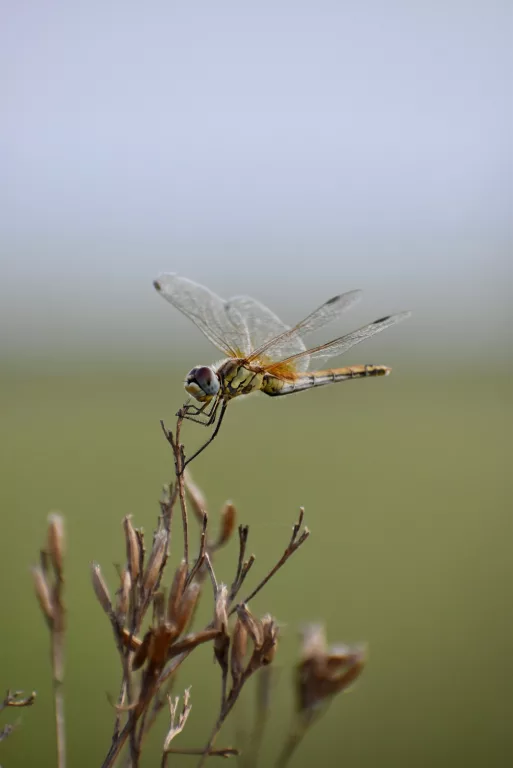
Dragonflies and the secrets of freshwater
Dragonflies offer another fascinating window into freshwater health. Their adults are familiar sights around ponds, rivers and marshes, but their young develop underwater as aquatic nymphs. This makes the group useful for studying both aquatic habitats and the surrounding landscape.
Researchers can record which dragonfly species occur at a site, examine their abundance and assess whether the habitat provides suitable conditions for breeding. Different species favour different water conditions, vegetation structures and flow rates, so changes in the community can reveal changes in the environment.
The same principle applies to aquatic insects such as mayfly, stonefly and caddisfly larvae. Some groups are sensitive to low oxygen levels, sedimentation and pollution, while others can survive in more disturbed conditions.
By identifying and counting these invertebrates, scientists can assess the ecological condition of a stream or river. Their findings are particularly useful when combined with measurements of dissolved oxygen, nutrients, water temperature and other water-quality indicators.
Where to look for these tiny environmental clues
South Africa has several protected areas where freshwater habitats and their wildlife offer opportunities to learn about conservation.
1. Nylsvley Nature Reserve, Limpopo
Nylsvley protects an important seasonal floodplain associated with the Nyl River system. Its changing water levels support a variety of wetland habitats and wildlife. It is a useful place to understand how rainfall, flooding and vegetation influence the species that depend on freshwater environments.
2. De Hoop Nature Reserve, Western Cape
De Hoop is known for its coastal landscapes, fynbos and wetlands. These habitats demonstrate how freshwater systems support biodiversity beyond the animals living directly in the water. Seasonal wetlands provide breeding habitat for amphibians and resources for birds and other wildlife.
3. iSimangaliso Wetland Park, KwaZulu-Natal
This extensive wetland landscape includes lakes, estuaries, freshwater habitats and coastal ecosystems. Its variety of environments illustrates why water quality, natural water flows and connections between habitats matter to wildlife. Visitors can learn about wetland conservation through the park’s nature-based activities and interpretive resources.
4. The KwaZulu-Natal Midlands
The Midlands’ rivers, streams, dams and wetlands provide opportunities to observe freshwater habitats in agricultural and more natural landscapes. Comparing these environments can help illustrate how farming practices, erosion, invasive vegetation and water abstraction influence aquatic biodiversity.
5. The Western Cape’s freshwater wetlands
From mountain streams to seasonal pools in fynbos landscapes, these wetlands support specialised plants and animals. Local conservation groups and citizen-science projects can help visitors learn about amphibian monitoring, freshwater biodiversity and the importance of protecting natural water systems.
How ordinary observations can help conservation
You do not need to be a scientist to appreciate the value of these small creatures. Visitors can take part in organised frog surveys, join guided nature walks or contribute sightings through established citizen-science projects. Photographing an animal and recording where and when it was seen can help researchers build a better picture of its distribution, provided observations are submitted with accurate identification and location details.
When visiting wetlands, stick to established paths, avoid disturbing breeding sites and never handle frogs or other wildlife unnecessarily. Even seemingly minor disturbances can affect sensitive habitats.
Protecting these ecosystems also means looking beyond the animals themselves. Wetlands filter water, store carbon, reduce the impacts of flooding and provide habitat for countless species. Pollution, drainage, invasive plants and excessive water extraction can undermine these benefits.
The next time you hear a frog calling after rain or spot a dragonfly hovering above a pond, take a moment to look closer. These small animals are more than interesting details in the landscape. When scientists study them alongside water quality and habitat conditions, they help reveal how well an ecosystem is functioning, and where it may need protection.
Follow us on social media for more travel news, inspiration, and guides. You can also tag us to be featured.
Instagram | Facebook | Twitter | Spotify
ALSO READ: