







South Africa’s landscapes tell remarkable stories, but some of its most powerful journeys happen indoors. Across the country, museums preserve the moments that shaped a nation – from centuries of struggle and resilience to the birth of democracy.
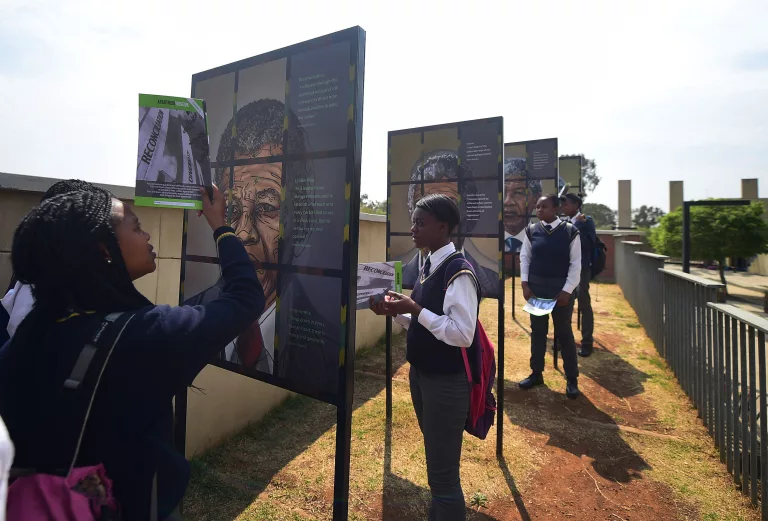
Photo by Gallo Images / Daily Sun / Trevor Kunene
They transform history from dates on a timeline into lived experiences, allowing visitors to walk through former prison cells, stand where pivotal events unfolded and hear the voices of those who witnessed them firsthand. With Mandela Day celebrated on 18 July, these museums offer an opportunity to travel with purpose, gaining a deeper appreciation for the people, places and events that continue to shape South Africa today.
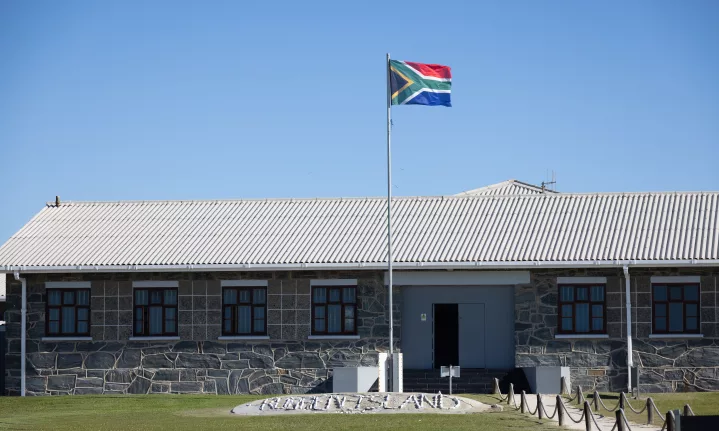
Robben Island Museum, Cape Town
Few places symbolise South Africa’s fight for freedom quite like Robben Island. Located around seven kilometres off Cape Town’s coast, the island has served many purposes over the centuries, including a hospital, military base and prison. It became internationally recognised during apartheid, when political prisoners – including Nelson Mandela, who spent 18 of his 27 years in prison here – were incarcerated within its maximum-security walls.
Today, visitors travel by ferry from the V&A Waterfront before touring the prison, often guided by former political prisoners whose personal stories add remarkable depth to the experience. Declared a UNESCO World Heritage Site in 1999, Robben Island remains one of the country’s most significant places of remembrance.
Why visit?
Few historical attractions offer such a direct connection to South Africa’s democratic journey. Seeing Mandela’s prison cell in person is an experience that leaves a lasting impression.
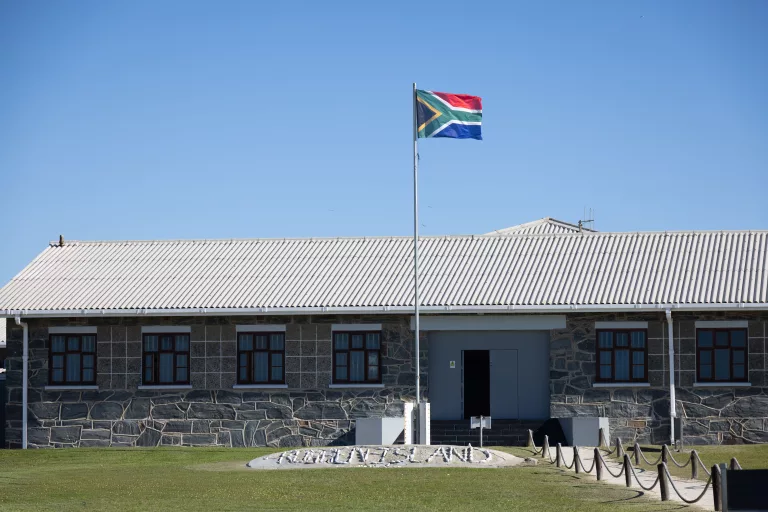
Image by Magda Ehlers / Pexels
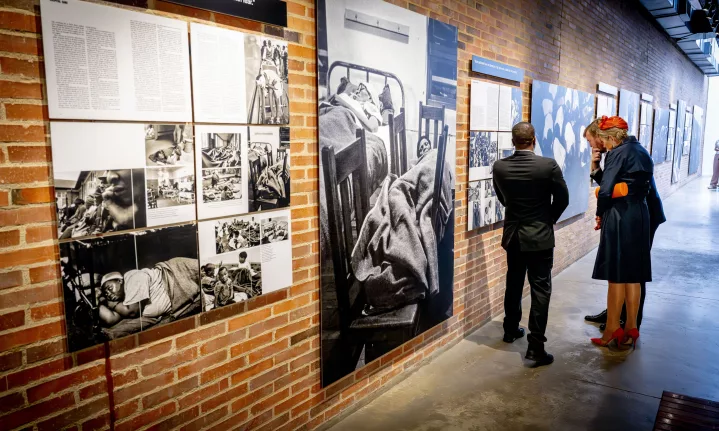
Apartheid Museum, Johannesburg
If you’re looking to understand modern South Africa, few places provide more context than the Apartheid Museum. Opened in 2001, the museum documents the rise and fall of apartheid through immersive exhibitions, archival photographs, film footage, personal testimonies and thought-provoking installations. Visitors begin their journey by entering through randomly assigned racial classifications – a powerful introduction to the realities of institutional segregation.
Rather than focusing solely on politics, the museum explores the everyday impact apartheid had on millions of South Africans and the extraordinary struggle that ultimately led to democracy.
Why visit?
The museum offers one of the country’s most comprehensive and accessible accounts of apartheid, helping visitors better understand South Africa beyond the headlines.
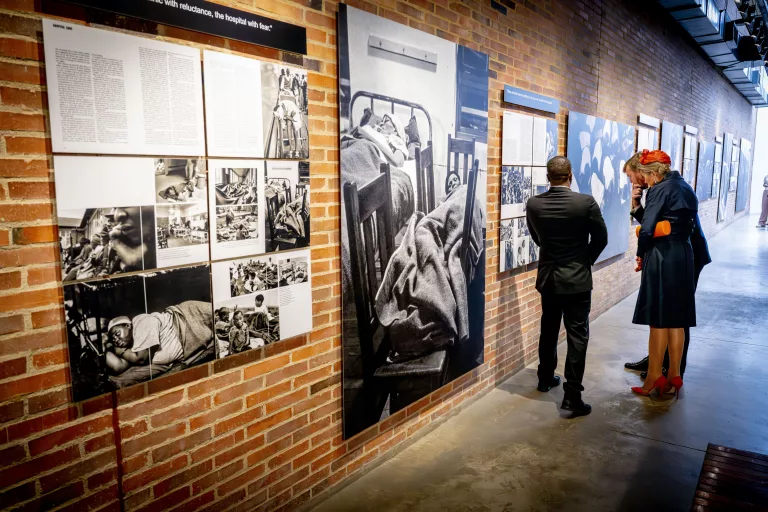
Image by Patrick van Katwijk / Getty Images
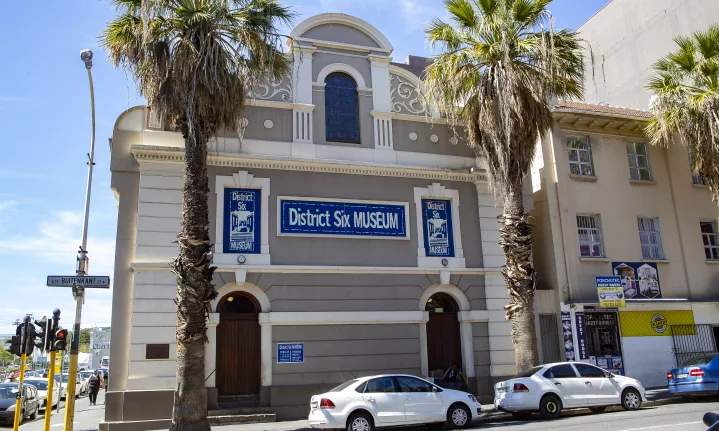
District Six Museum, Cape Town
Long before apartheid-era forced removals, District Six was one of Cape Town’s most vibrant multicultural communities. Everything changed in 1966 when the area was declared for white occupation under the Group Areas Act, forcing around 60,000 residents from their homes. Established in 1994, the District Six Museum preserves these memories through personal photographs, handwritten street maps, family possessions and oral histories donated by former residents.
The museum remains community-led, with many exhibitions shaped by people whose lives were directly affected.
Why visit?
It’s less about buildings than belonging. Walking through the museum offers a deeply personal perspective on displacement, identity and resilience that continues to resonate today.
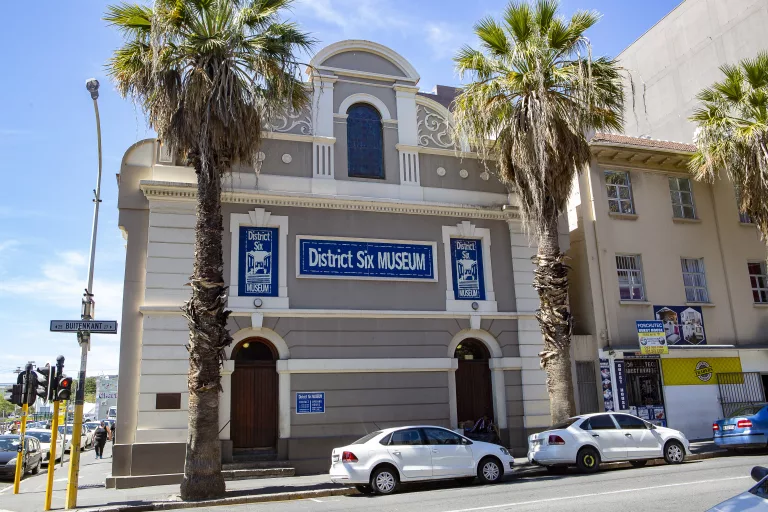
Image by Gallo Images/Jacques Stander
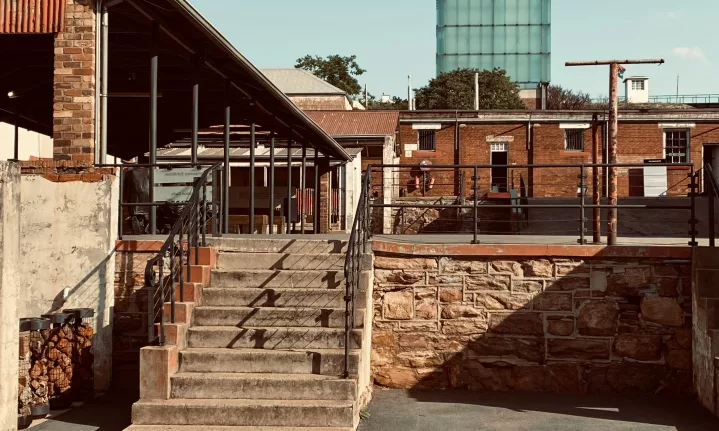
Constitution Hill, Johannesburg
Constitution Hill tells two stories at once. Once one of South Africa’s most notorious prison complexes, it held political activists, ordinary citizens and prominent figures including Nelson Mandela and Mahatma Gandhi. Today, it houses the Constitutional Court, representing the country’s commitment to justice, equality and human rights.
Visitors can explore the preserved prison blocks before stepping into the striking modern court building, where South Africa’s Constitution continues to shape the nation’s future.
Why visit?
Few destinations capture South Africa’s transformation as powerfully as Constitution Hill, where spaces once associated with oppression now stand as symbols of democracy.
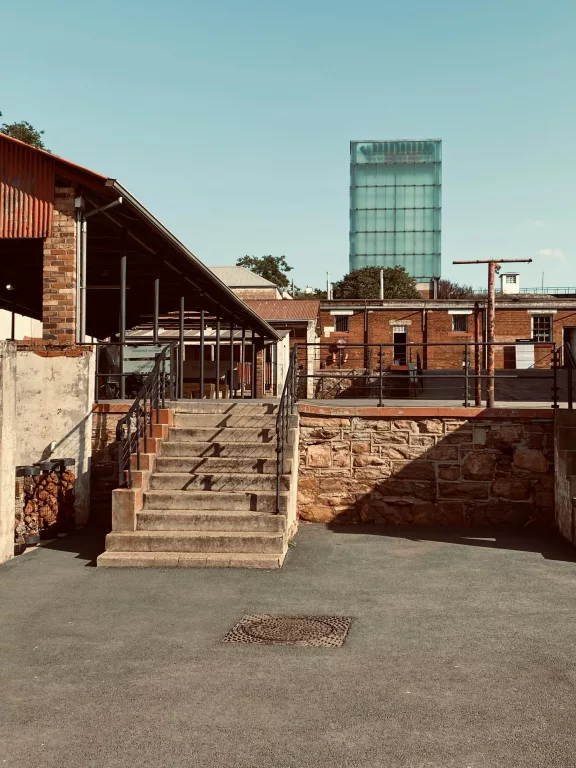
Image by Keanan Cantor / Unsplash
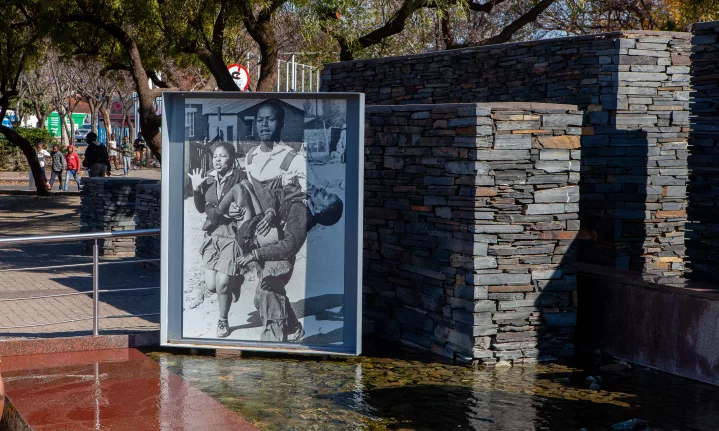
Hector Pieterson Museum, Soweto
The Soweto Uprising of 16 June 1976 remains one of the defining moments in South African history. The Hector Pieterson Museum commemorates the students who protested against apartheid’s education policies, with exhibits centred around the events that unfolded that day. The iconic photograph of 13-year-old Hector Pieterson being carried after he was fatally shot became a global symbol of resistance.
Interactive displays, historical documents and personal accounts help visitors understand the significance of the youth-led movement.
Why visit?
The museum provides essential context behind one of South Africa’s most influential protests while honouring the courage of a generation that demanded change.
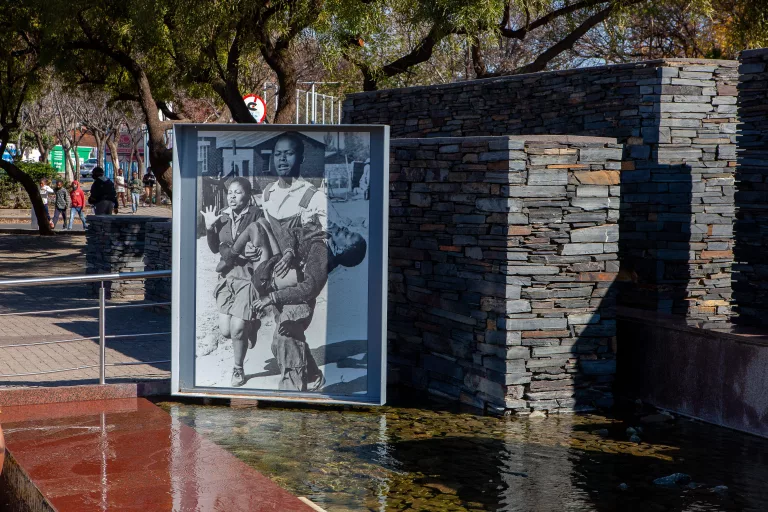
Image by Papi Morake / Gallo images
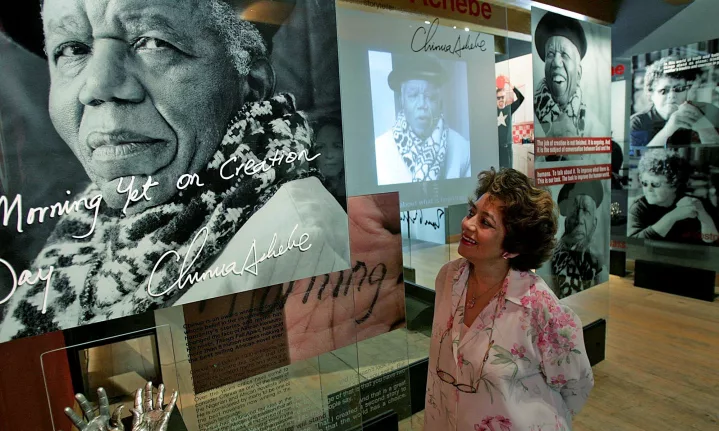
Iziko Museums of South Africa, Cape Town
Rather than being a single museum, Iziko Museums brings together some of Cape Town’s most important cultural and historical collections. Its network includes museums exploring archaeology, indigenous heritage, natural history, social history and South Africa’s diverse cultural legacy.
Together, they tell stories spanning millions of years – from ancient fossils and early civilisations to colonial history and democracy. Whether you’re fascinated by archaeology, anthropology or cultural heritage, Iziko offers multiple ways to understand the country’s past.
Why visit?
Its variety makes it ideal for travellers wanting a broader understanding of South Africa’s history beyond a single historical period.
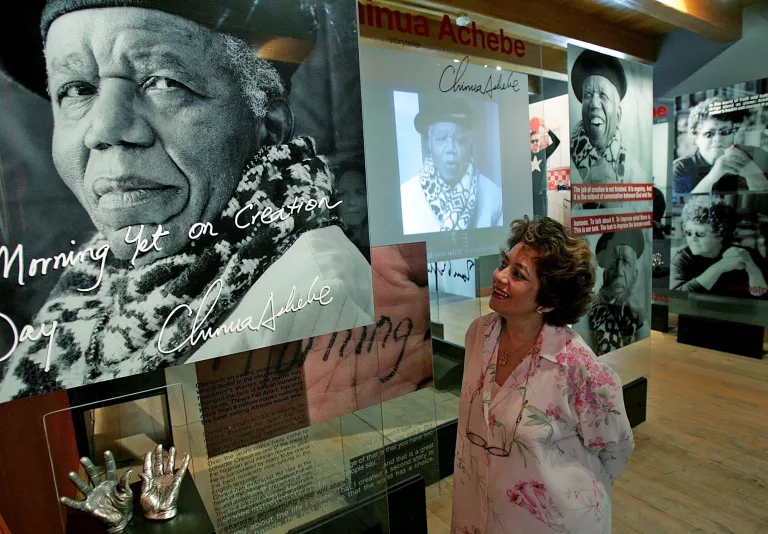
Image by Roger Sedres / Gallo images
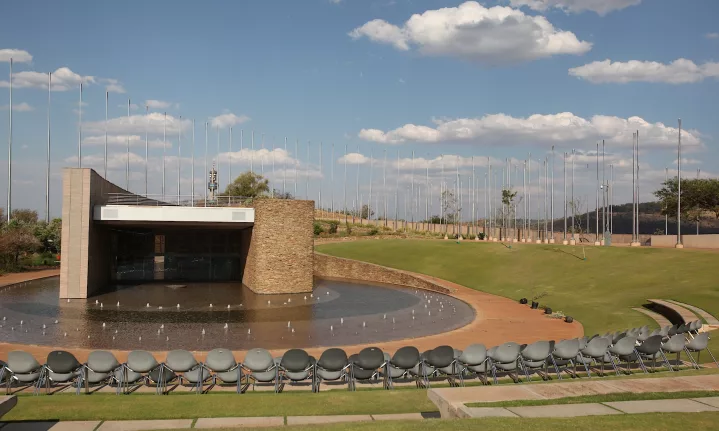
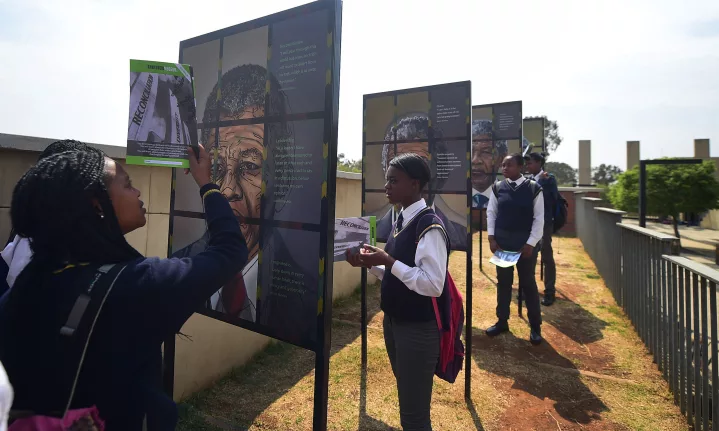
Freedom Park, Pretoria
Freedom Park is as much a place of reflection as it is a museum. Situated on Salvokop Hill, the national heritage site honours those who lost their lives during South Africa’s many conflicts while celebrating the country’s journey towards reconciliation and democracy. Its exhibitions trace history from ancient African civilisations through colonialism, apartheid and into the democratic era.
The memorial spaces, indigenous gardens and panoramic views over Pretoria encourage visitors to slow down and reflect.
Why visit?
The combination of history, architecture, memorials and sweeping city views creates an experience that feels both educational and deeply moving.

Image by Leo za1 / Wikimedia commons
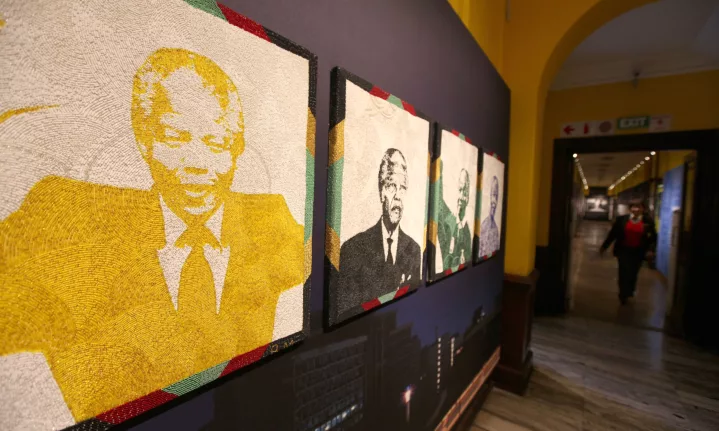
Nelson Mandela Museum, Mthatha
To understand Nelson Mandela, it’s worth travelling to where his story began. The Nelson Mandela Museum spans three sites across the Eastern Cape, including Bhunga Building in Mthatha, Qunu and Mvezo – the village where Mandela was born. Together, they explore his early life, leadership, values and enduring legacy through exhibitions, personal artefacts and historical archives.
Rather than focusing solely on Mandela the statesman, the museum highlights his upbringing, family life and the rural landscapes that shaped his worldview.
Why visit?
Visiting Mandela’s birthplace offers a more intimate perspective on one of South Africa’s most influential figures, while providing a meaningful reason to explore the Eastern Cape beyond its well-known coastal attractions.
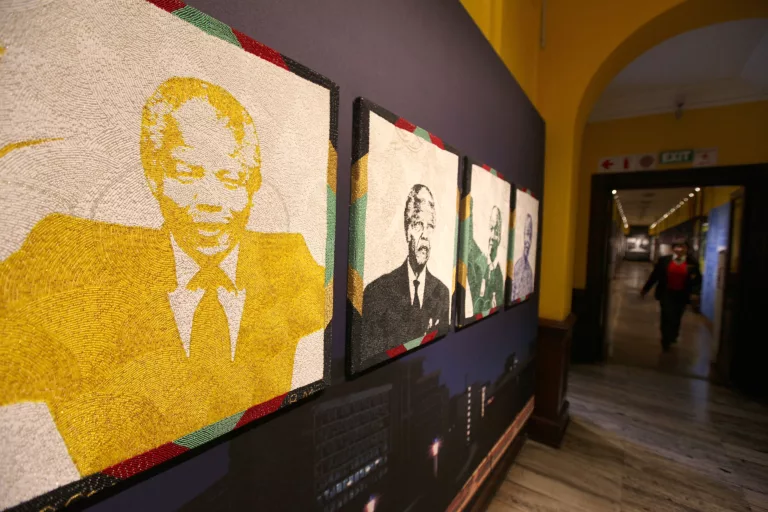
Image by Gallo Images / Sunday Times / Kevin Sutherland
Travel through the stories that shaped a nation
South Africa’s museums do more than preserve history – they help travellers understand the landscapes, communities and cultures they encounter along the way. Whether you’re boarding the ferry to Robben Island, retracing the footsteps of the Soweto Uprising or exploring the villages where Nelson Mandela spent his childhood, each destination adds another layer to the country’s remarkable story. This Mandela Day, consider adding one – or several – to your travel plans. You’ll leave with more than photographs; you’ll leave with a deeper appreciation of South Africa itself.
Follow us on social media for more travel news, inspiration, and guides. You can also tag us to be featured.
Instagram | Facebook | Twitter | Spotify
ALSO READ: