







A routine flight from Dublin to Rome took an unexpected turn on Thursday, 5 November, when a suspected bomb threat forced an Aer Lingus aircraft to divert to France. It was part of a wider wave of security alerts affecting at least 14 passenger flights across Europe.
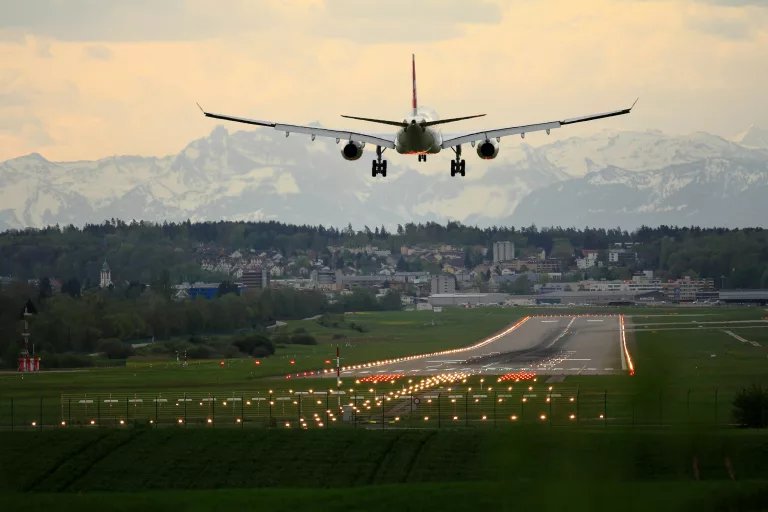
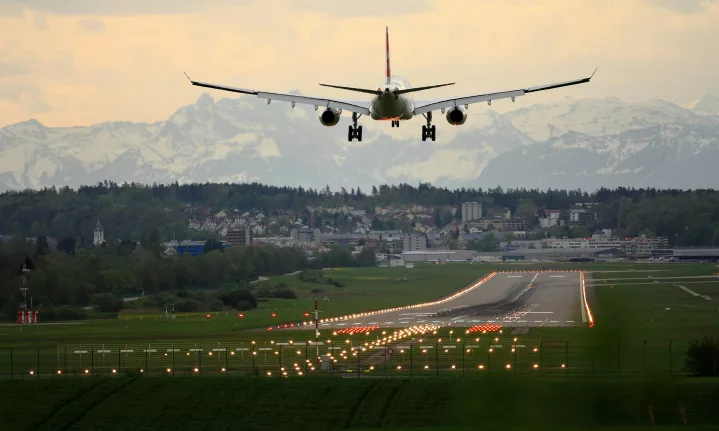
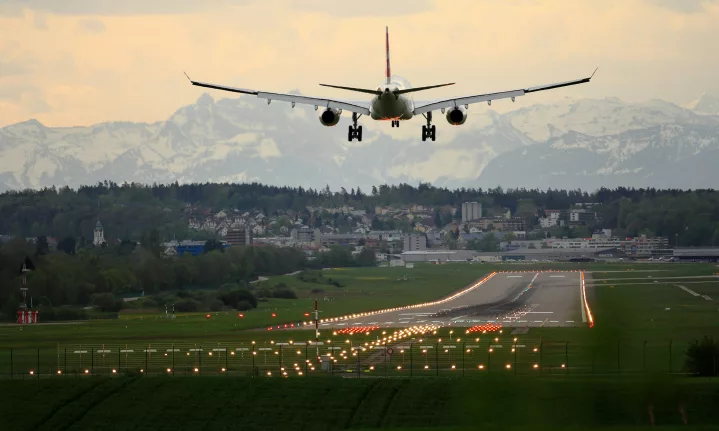
Pascal Meier / Unsplash / Illustrative purposes only
The Aer Lingus Airbus A320, operating as flight EI402, landed safely at Évreux-Fauville air base in Normandy after being diverted while travelling through French airspace.
There were 151 passengers and six crew members on board. French authorities moved everyone to safety while bomb disposal teams inspected the aircraft.
Aer Lingus confirmed that the diversion was made as a security precaution and said it would arrange alternative travel for passengers to reach their final destination.
More flights affected across Europe
The disruption extended well beyond the Aer Lingus flight.
In Bulgaria, three aircraft made emergency landings following bomb threats. Two flights, from Copenhagen and Madrid, landed in Sofia, while a Ryanair service from London’s Stansted Airport was diverted to Plovdiv.
Czech police also received threats involving four aircraft heading to Prague, although authorities assessed their credibility as low.
Other incidents involved Finnair, LOT Polish Airlines and Wizz Air. A Finnair flight from Helsinki to Rome was escorted by Italian fighter jets before landing safely. A separate Finnair-operated service to Vienna also received a threat.
LOT reported security alerts involving two flights. A Warsaw-to-Brussels service landed safely, while a Paris-bound aircraft was stopped before take-off and it’s passengers transferred to another plane.
A Wizz Air flight travelling from Milan to Warsaw was also diverted to Vienna following a bomb threat.
A second wave of threats this week
Thursday’s incidents follow another series of alerts on Tuesday, 3 November, when at least seven flights across Europe were affected by suspected bomb threats. Aircraft were searched or diverted, and operations at Warsaw-Modlin Airport were temporarily disrupted.
Despite the disruption, no explosives have so far been confirmed in connection with these latest waves of threats. Investigations are continuing, and authorities have not identified those responsible.
For passengers, the impact goes beyond a delayed arrival. An unexpected diversion can mean hours of uncertainty, missed connections and travel plans that suddenly need to be rearranged.
With another wave of alerts reported just days after the previous incidents, European aviation authorities are continuing to investigate the threats and assess whether the cases are connected.
Source (Euro News)
Follow us on social media for more travel news, inspiration, and guides. You can also tag us to be featured.
Instagram | Facebook | Twitter | Spotify
ALSO READ: