
In the heart of western Zambia lies a wilderness of extraordinary scale, diversity and possibility. Kafue National Park, Zambia’s largest national park, stretches across an immense 22,400 square kilometres and forms part of the Kavango-Zambezi Transfrontier Conservation Area (KAZA TFCA), one of the world’s most significant connected conservation landscapes.
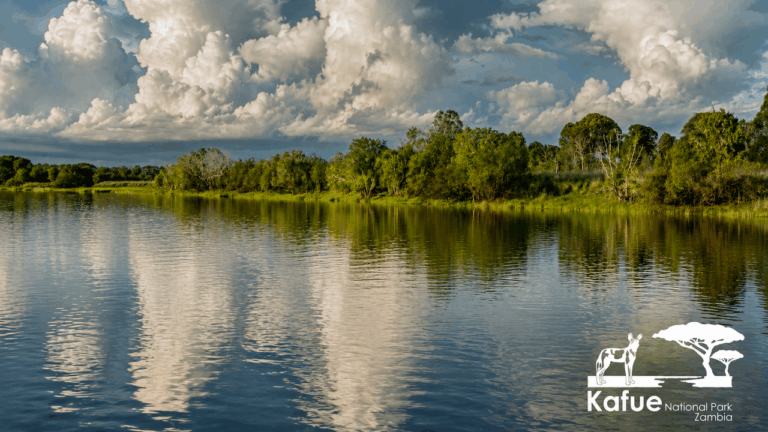
Image: Supplied
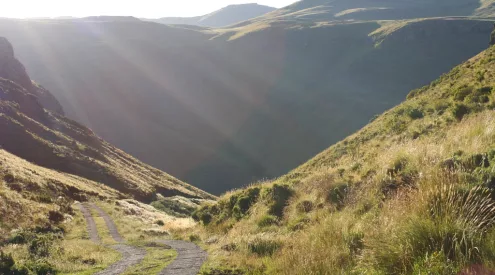
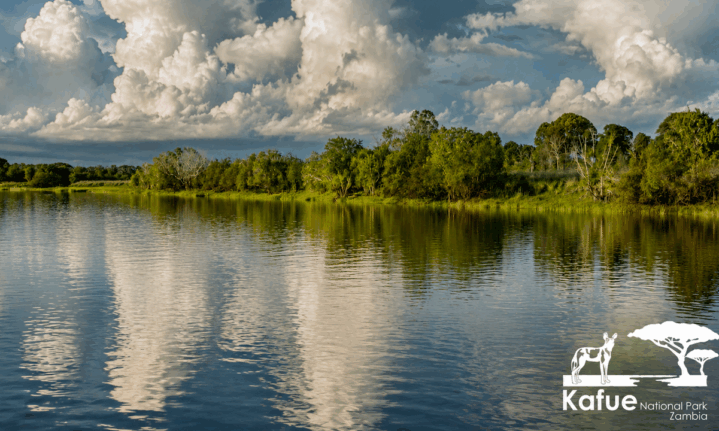
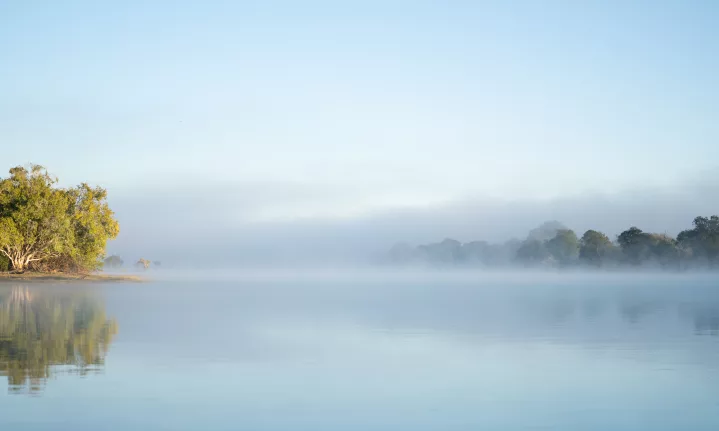
Proclaimed in 1950, Kafue is Zambia’s oldest national park and one of the last great expanses of the Zambezian ecoregion. Its landscapes are shaped by rivers, wetlands, floodplains, woodland and open savannah, creating a remarkable mosaic of habitats for wildlife. From the sweeping Busanga Plains to the winding Kafue River, the park offers visitors an authentic safari experience far removed from the crowds.
A wildlife haven
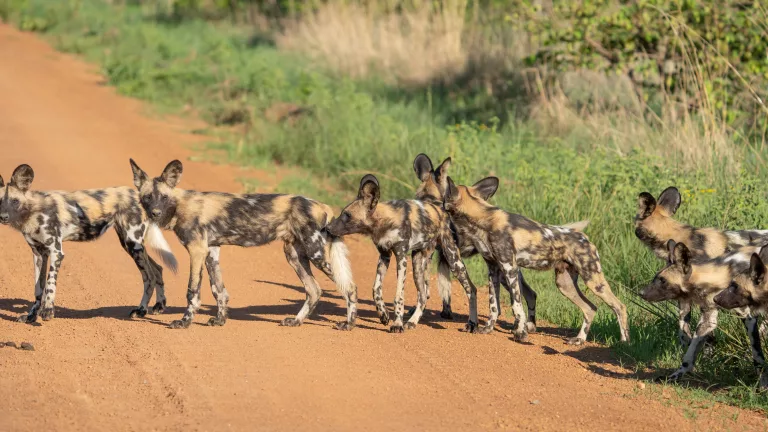
Image: Supplied
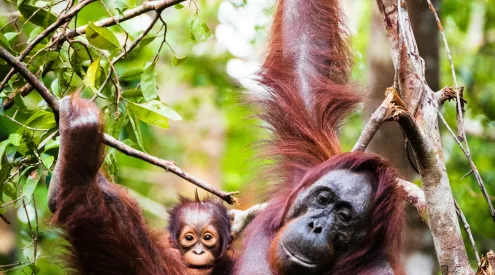
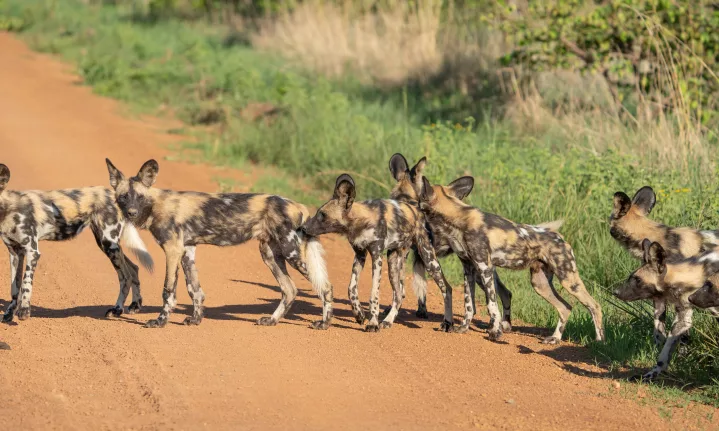
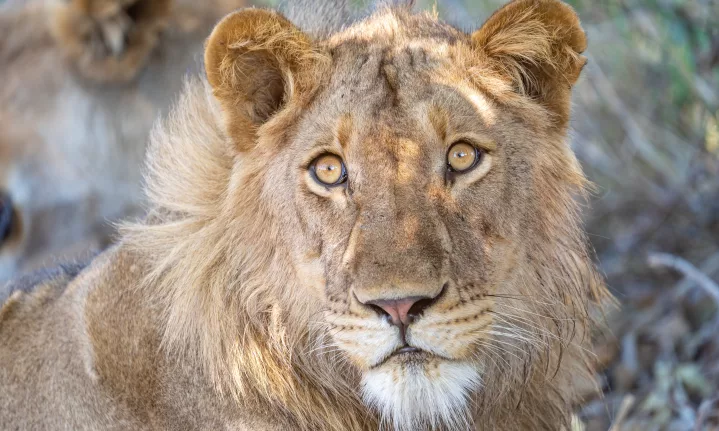
Kafue’s sheer size is matched by its extraordinary biodiversity. The park is home to 158 mammal species, including 21 species of antelope, as well as more than 500 bird species. Elephants roam across its vast wilderness, while lion, leopard, cheetah and African wild dog represent some of the continent’s most iconic predators. Buffalo, puku, sable and hartebeest are also found in encouraging numbers.
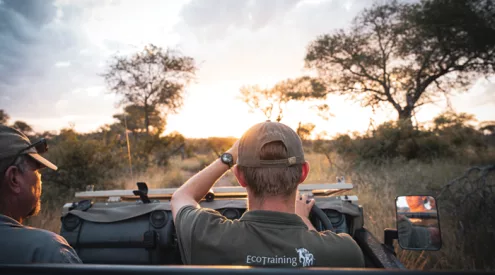
For travellers, this diversity creates the opportunity for an unforgettable safari. Game drives, walking experiences and time spent along Kafue’s waterways reveal a landscape where every turn can bring a new encounter. The park’s immense scale also means that a safari here feels genuinely wild — a chance to experience Africa at its most expansive and untamed.
Conservation in action
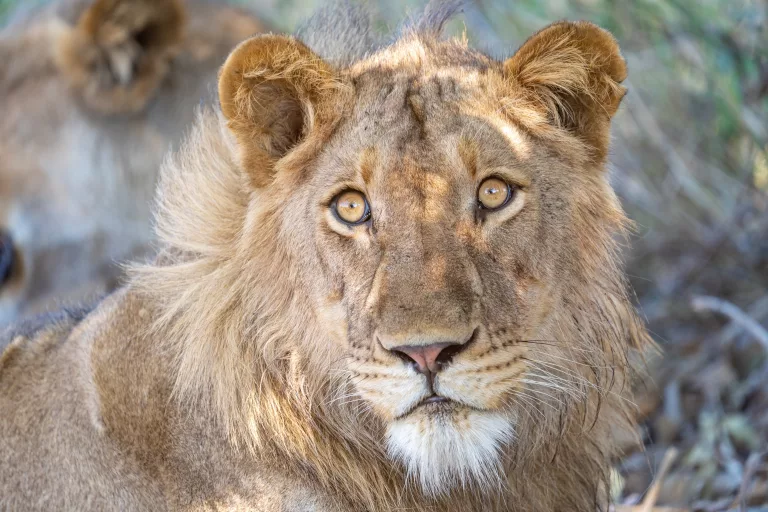
Image: Supplied
Today, Kafue is also a story of renewal. In July 2022, African Parks and the Zambian Government entered into a 20-year management partnership focused on biodiversity recovery, community development and strengthening tourism. Since then, investment in conservation law enforcement, infrastructure, wildlife monitoring and community initiatives has been helping restore the park’s ecological health.
One of the most significant milestones came in 2024, when 401 Kafue lechwe were reintroduced into the park. This semi-aquatic antelope, endemic to the Kafue Flats, had been locally extinct in Kafue for decades. Its return represents an important step in restoring the balance and biodiversity of the ecosystem.
The restoration continues. Wildlife monitoring indicates that elephant numbers are increasing, while ongoing conservation work is helping protect the species and habitats that make Kafue so important. In 2025, African Parks and its partners also began a major wildlife translocation involving wildebeest and zebra from Liuwa Plain National Park to Kafue, further supporting the park’s long-term ecological recovery.
A future worth protecting
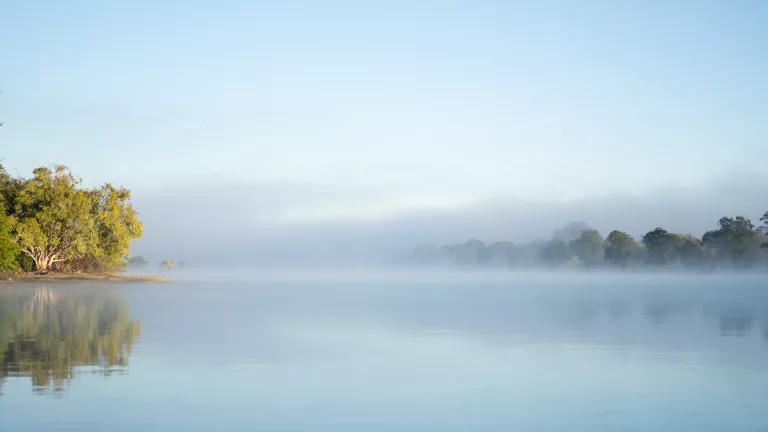
Image: Supplied
Kafue’s importance extends far beyond its wildlife. Its water-rich landscape provides essential ecosystem services to thousands of people, while conservation-led tourism creates employment, generates revenue and supports socio-economic opportunities for surrounding communities. More than 500 schoolchildren are also being supported with educational resources.
For travellers seeking something beyond the traditional safari, Kafue offers the chance to witness a remarkable conservation story unfolding in real time. It is a place where vast landscapes, rare wildlife and dedicated conservation efforts come together — proving that protecting wild spaces can benefit both nature and people.
As Kafue continues its journey of restoration, every visit has the potential to become part of something bigger: the preservation of one of Africa’s last great wildernesses for generations to come.
Website: Visit Kafue
Tel: +260960401437
Email: [email protected]
Follow us on social media for more travel news, inspiration, and guides. You can also tag us to be featured.
Instagram | Facebook | Twitter | Spotify
ALSO READ:
South Africans can visit national parks for free during September