





Fish species missing for decades are being recorded again in China’s Yangtze River Basin, offering hope for one of the country’s most important freshwater ecosystems.
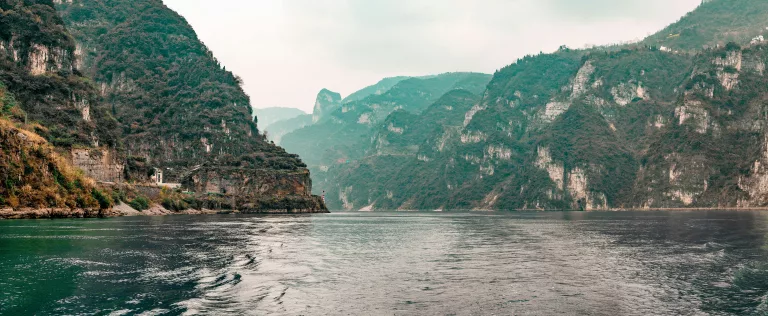
A view of Yangtze River, China / Dong Zhang / Unsplash
After years of pollution, overfishing and habitat loss, parts of the Yangtze are showing signs of improvement. A three-year monitoring programme has recorded the return of long-missing fish species, alongside an increase in native fish diversity.
Fish return after decades
The migratory fish Coilia ectenes was recorded in parts of the Yangtze after 30 years without a sighting. Japanese eel (Anguilla japonica) was also found in the Chishui River after more than two decades of absence.
Across the basin, recorded native fish species increased from 193 in 2022 to 230 in 2024.
While encouraging, these findings do not necessarily mean the species’ populations have fully recovered.
Removing barriers
Stretching nearly 6,400km from the Tibetan Plateau to the East China Sea, the Yangtze supports millions of people and diverse wildlife. Decades of human activity have put its ecosystems under pressure.
Conservation efforts are now targeting habitat loss and barriers to fish migration. In the Chishui River, 342 small hydropower stations were decommissioned and 300 diversion dams removed.
Wetlands have also benefited from restoration work. At Dongting Lake, 26 square kilometres of aquatic vegetation were restored, while Taihu Lake recorded its lowest extent of algal blooms since 2008, according to the monitoring report.
Conservation makes a difference
The findings add to research published in Science in February 2026, which found that China’s 10-year commercial fishing ban, introduced in 2021, had helped halt the long-term decline in fish biodiversity across the Yangtze River Basin.
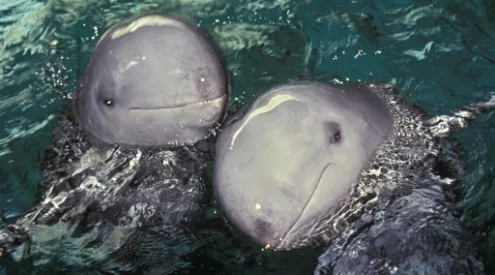
The Yangtze finless porpoise has also made gains. Its estimated population increased from 1,012 in 2017 to 1,426 in 2025, according to the monitoring report.
However, pollution, habitat fragmentation and other human pressures remain threats. Continued conservation and monitoring will be essential to protect the progress made so far.
A future for the Yangtze
The return of fish after decades of absence shows the difference sustained conservation can make. The river still faces significant challenges, but these findings offer hope that protecting habitats and reducing human pressure can give freshwater wildlife a chance to thrive.
Source (Earth.com)
Follow us on social media for more travel news, inspiration, and guides. You can also tag us to be featured.
Instagram | Facebook | Twitter | Spotify
ALSO READ:
Pilot and passenger safe after light aircraft makes forced landing in Cape Town