




South Africa’s settlement patterns reflect a long history of environmental negotiation, writes Miriam Kimvangu.

Port St. Johns/Thomas Fuhrmann/Wikimedia Commons
Natural disasters and shifting coastlines have altered towns, infrastructure and community planning over generations. Some places were rebuilt after disaster, whereas others developed with prevention in mind, guided by the need to live alongside nature rather than resist it. The following towns illustrate how climate pressures have informed architecture, infrastructure and land use management across different regions of the country.
Port St. Johns: rebuilding in a flood prone coastal valley
On the Wild Coast, Port St. Johns has experienced repeated exposure to flooding, coastal storms and landslides. The town lies at the mouth of the Umzimvubu River, where steep terrain and heavy rainfall create significant environmental pressures.
Over time, infrastructure and housing have been rebuilt or relocated following damaging flood events. Improved drainage systems, reinforced road networks and more cautious settlement patterns reflect efforts to reduce future vulnerability. Despite these challenges, the town retains a strong cultural and ecological identity. Its dramatic setting highlights both the beauty and unpredictability of South Africa’s coastline.
McGregor: drought adaptation and water management

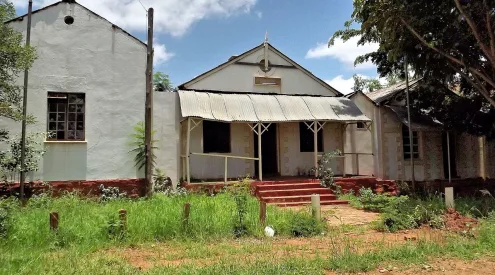
McGregor’s quiet streets and whitewashed cottages reflect a long relationship with water scarcity and seasonal extremes. Founded in the 19th century, the village developed around careful water management in an arid environment where drought and heat regularly shaped settlement patterns.
Irrigation channels, traditional leiwater systems and water wise gardens became part of everyday life. Architecture adapted too. Thick walls, small windows and shaded verandas were designed to moderate temperature and conserve resources. Periodic droughts in recent decades have reinforced conservation efforts, with residents adopting rainwater harvesting and sustainable farming practices.
Today, McGregor’s slow pace and sustainability focused ethos reflect a community that has continually adapted to climate pressures rather than simply endured them.
ALSO READ: Rivers, gorges and water trails that don’t get enough hype
Knysna: post fire reconstruction and urban resilience

Overhead shot of the Heads in Knysna/Meelan Bawjee/Unsplash
Knysna stands as one of South Africa’s most visible examples of recovery after climate related disaster. The devastating 2017 fires swept through surrounding forests and residential areas, destroying homes and reshaping large sections of the town.
Rebuilding efforts focused on fire resistant materials, improved urban planning and ecological restoration. Indigenous vegetation rehabilitation programmes were introduced to restore natural fire buffers, while building regulations began to emphasise defensible space and risk reduction.
Knysna remains exposed to both fire and storm risks. Yet the recovery process strengthened community networks and reshaped how development occurs in sensitive landscapes.
Stilbaai: coastal zoning and estuarine protection

Stilbaai/Juhi Sewchurran/Unsplash
Stilbaai reflects a different form of climate adaptation. Rather than responding to a single disaster, the town’s development has been guided by long term coastal management and flood mitigation.
Positioned at the mouth of the Goukou River, Stilbaai has implemented strict zoning regulations to protect sensitive estuarine systems and manage flood risk. Development setbacks, controlled expansion and conservation areas help buffer the settlement against storm surges and rising sea levels.
Environmental planning plays a visible role in the town’s identity. Protected riverbanks, dune stabilisation projects and habitat conservation programmes support both biodiversity and disaster prevention. The result is a settlement that demonstrates how careful planning can reduce vulnerability before crisis occurs. Stilbaai offers a glimpse into how coastal towns can coexist with fragile ecosystems while maintaining tourism appeal and community stability.
Underberg: flood awareness in a high rainfall catchment

Underberg/Daniel Way/Unsplash
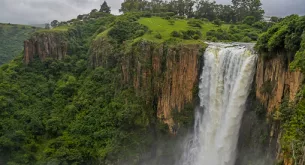
Underberg developed with careful attention to river systems and seasonal rainfall patterns. The region’s dramatic landscapes bring heavy summer rains that historically caused flooding and infrastructure challenges.
Settlement planning placed key structures on elevated ground and away from flood prone zones. Agricultural practices evolved to manage soil erosion and water flow, while modern conservation initiatives continue to protect surrounding catchments.
The town serves as a gateway to mountain environments where climate conditions shift rapidly. Its development reflects an ongoing negotiation with weather extremes, demonstrating how rural communities can adapt to changing hydrological conditions while sustaining farming and tourism economies.
ALSO READ: The quiet revival of small-town South Africa
Environmental risk as a planning driver
Across these examples, two distinct patterns emerge. Some towns, such as Knysna and Port St. Johns, underwent reconstruction following acute climate events. Others, including Stilbaai and McGregor, demonstrate incremental adaptation shaped by recurring environmental pressures. Underberg represents a hybrid case, where historical awareness of flood dynamics informed initial settlement choices and continues to influence land management.
From an urban planning perspective, these towns highlight several core principles:
- Risk assessment must inform zoning and building regulations
- Infrastructure should account for hydrological and fire regimes
- Ecosystem restoration can function as a protective buffer
- Community engagement is central to long term resilience
For travellers, these destinations offer more than scenic value. They provide insight into how climate variability intersects with governance, design and rural development in South Africa. Observing how different regions respond to environmental stress reveals the complexity of building sustainable settlements in diverse ecological zones.
As climate projections indicate increasing variability in rainfall, temperature and extreme weather events, the lessons embedded in these towns become increasingly relevant. Their histories demonstrate that resilience is not solely a response to crisis. It is an ongoing process of planning, adaptation and informed coexistence with the natural environment.
Follow us on social media for more travel news, inspiration, and guides. You can also tag us to be featured.
TikTok | Instagram | Facebook | Twitter
ALSO READ: