
Some of the region’s most striking travel destinations began with a practical purpose.

Lake Kariba/Arpit Rastogi/Unsplash
Built to generate electricity, store water or support industry, many hydroelectric dams and reservoirs have since evolved into tourist destinations. Over time, these engineered landscapes have become woven into local tourism economies and conservation efforts. Resorts, game reserves, houseboats and waterfront towns now sit alongside infrastructure originally designed to power cities and support development.
These six hydroelectric sites reveal how industrial projects can take on a second life.
Lake Kariba, Zambia and Zimbabwe
Lake Kariba is one of the world’s largest man-made lakes by volume, created following the construction of the Kariba Dam on the Zambezi River in the 1950s. The project was designed to generate hydroelectric power for both Zambia and Zimbabwe, fundamentally reshaping the surrounding landscape.
Decades later, Lake Kariba has become synonymous with houseboat holidays, wildlife encounters and fishing tourism. The vast lake attracts travellers from across Southern Africa who come to experience its open waters and dramatic sunsets. The shoreline supports several tourism destinations, including Matusadona National Park in Zimbabwe, where animals frequently gather along the water’s edge. Game viewing from boats has become a defining part of the Kariba experience. Tiger fishing remains another major attraction, while luxury and self-catering houseboats allow visitors to spend days navigating the lake’s quiet inlets and islands. What began as a major hydroelectric project now supports a thriving tourism sector centred on nature and slow travel.
Pongolapoort Dam and Lake Jozini, South Africa

Pongolapoort Dam, commonly known through its reservoir as Lake Jozini, was completed in the early 1970s along the Pongola River in northern KwaZulu-Natal. The dam was primarily constructed for irrigation, flood control and water storage, helping support agricultural development in the region.
Today, the area is better known for outdoor tourism and wildlife experiences. Lake Jozini has become one of South Africa’s top freshwater fishing destinations, particularly for tiger fishing. The warm waters and surrounding Lebombo Mountains have also encouraged the growth of lodges and safari experiences around the lake. Several private game reserves border the reservoir, creating a rare combination of big game viewing and water-based tourism. Visitors can spend the morning on a boat searching for hippos and crocodiles before heading out on a traditional bush safari later in the day.
Cahora Bassa Dam, Mozambique

Cahora Bassa Dam/Accommodation Mozambique
Cahora Bassa Dam stands as one of Africa’s largest hydroelectric projects. Built on the Zambezi River during the late Portuguese colonial period, the dam began operating in 1974 and became a major source of electricity for Mozambique and neighbouring countries.
While the site remains a functioning hydroelectric facility, the surrounding landscape has increasingly attracted adventurous travellers and regional tourists. The immense Cahora Bassa reservoir stretches across dramatic terrain, creating opportunities for boating, fishing and eco-tourism. The Zambezi River system surrounding the dam is also ecologically significant, supporting birdlife and aquatic species that attract nature enthusiasts. Although the area remains less commercialised than some Southern African dam destinations, its scale and scenery continue to draw visitors seeking remote landscapes and off-the-beaten-track travel experiences.
Hartbeespoort Dam, South Africa

Hartebeespoort Dam/Mukovhe Mavhungu/Unsplash
Few hydroelectric and water management projects in South Africa have become as tourism-focused as Hartbeespoort Dam, often referred to simply as Harties. Completed in 1923, the dam was originally built to provide irrigation water for nearby farms. Over the decades, its close proximity to Johannesburg and Pretoria transformed the area into a popular weekend escape.
Today, Hartbeespoort is known for its lively waterfront atmosphere, family attractions and adventure activities. Visitors can explore markets, take boat cruises across the dam, ride the aerial cableway or visit surrounding nature reserves. The Magaliesberg mountains provide a scenic backdrop that has helped shape Harties into one of Gauteng’s most accessible leisure destinations. Water sports, restaurants and wellness retreats now form part of the local tourism economy, demonstrating how infrastructure originally tied to agriculture evolved into a multi-layered travel hub.
Sterkfontein Dam Nature Reserve, South Africa

Sterkfontein Dam Nature Reserve/Nolween/Wikimedia Commons
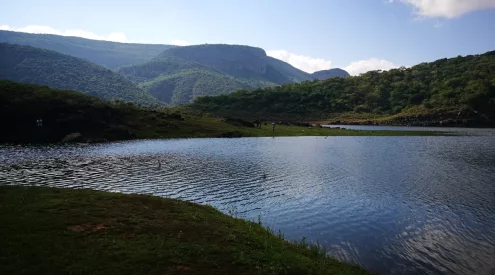
In the foothills of the Drakensberg, Sterkfontein Dam Nature Reserve offers a quieter alternative to some of South Africa’s busier dam destinations. The Sterkfontein Dam forms part of the larger Tugela-Vaal Water Project, which was developed to transfer water between catchment areas and support Gauteng’s growing water needs. Although its primary role remains linked to water management, the surrounding reserve has developed into a destination for nature-focused tourism.
The reserve is known for its open grasslands, hiking routes and birdlife. Clear waters and mountain scenery attract campers, anglers and travellers seeking peaceful outdoor escapes. Unlike heavily commercialised waterfront destinations, Sterkfontein maintains a more understated atmosphere. Its appeal lies in wide landscapes, biodiversity and the sense of remoteness created by the surrounding highlands.
Vanderkloof Dam, South Africa

Vanderkloof Dam/JacoRoselt/Wikimedia Commons
Vanderkloof Dam, built on the Orange River in the 1970s, remains one of South Africa’s largest dams. Originally developed for hydroelectric generation and water supply, the dam helped support agriculture and regional infrastructure projects across central South Africa.
Over time, the adjacent town of Vanderkloof developed into a tourism stop known for water sports, fishing and outdoor recreation. The large reservoir and expansive skies have also made the area popular among photographers and travellers seeking wide-open landscapes. Boating, kayaking and sailing now contribute to the local tourism offering, while nearby nature reserves attract birdwatchers and hikers. The quieter pace of the Northern Cape gives Vanderkloof a distinctly laid-back atmosphere compared to more commercial dam destinations.
Follow us on social media for more travel news, inspiration, and guides. You can also tag us to be featured.
Instagram | Facebook | Twitter
ALSO READ:
Mpumalanga’s forgotten towns and the beauty of the open grasslands


.jpg)