




Africa’s most powerful travel stories are not limited to game drives and tick lists. Across the continent, markets, sacred sites, cities and forests offer encounters that are deeply human, richly layered and often far removed from safari imagery.
This is travel shaped by history, belief, creativity and everyday life, where connection matters more than sightings. Africa has a way of revealing itself slowly, through conversation, ritual and place, writes Lee-Ann Steyn.
North Africa beyond the desert

Souks of Marrakech/Arnaud 25/Wikimedia Commons
Getting lost in Moroccan souks and medinas
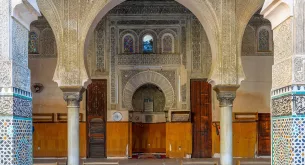
The old cities of Morocco reward curiosity rather than planning. Inside the medinas of Marrakech and Fès, daily life unfolds in tight alleyways where bakers, metalworkers and spice sellers still work as they have for generations. Wandering without a map is part of the experience, allowing sound and scent to guide the way.
Markets are not staged attractions here. They are workplaces, social spaces and community hubs. Sitting down for mint tea with a shopkeeper often leads to stories about family, trade and tradition, turning a simple purchase into an exchange.
Food, crafts and slow city rhythms
Moroccan cuisine is inseparable from its culture. Joining a homestyle cooking class or visiting a neighbourhood bakery reveals how food anchors social life. Riads tucked behind unmarked doors offer quiet refuge and demonstrate how architecture adapts to climate, privacy and community living.
Sacred landscapes of East Africa

Exploring the rock-hewn churches of Lalibela
High in the Ethiopian Highlands, Lalibela stands as one of Africa’s most extraordinary spiritual sites. Carved directly from solid rock in the 12th century, its churches were designed to create a symbolic New Jerusalem for pilgrims unable to travel to the Holy Land.
Visiting these spaces with a local guide brings layers of meaning to life. Stories of faith, craftsmanship and survival echo through narrow tunnels and candlelit interiors. Religious festivals transform the town as white-robed worshippers gather in prayer, song and procession.
Understanding living traditions
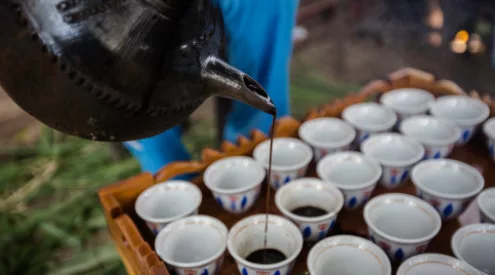
Ethiopia’s heritage is not confined to monuments. Coffee ceremonies, manuscript traditions and oral storytelling remain central to daily life. Time spent sharing meals or attending local services offers insight into a culture where history is actively lived rather than preserved behind glass.
ALSO READ:
Skukuza Airport in Kruger National Park ranked world’s most beautiful
West Africa’s memory routes

Elmina castles/Damien Halleux Radermecker/Wikimedia Commons
Walking Ghana’s heritage trails
In Ghana, history is encountered face-to-face. Along the coast, Cape Coast and Elmina castles stand as stark reminders of the transatlantic slave trade. Guided walks through these sites focus on storytelling and remembrance, allowing visitors to engage thoughtfully with difficult pasts.
Heritage trails link these landmarks with surrounding towns, markets and cultural centres. Conversations with local historians and artists add context and humanity that no plaque can provide.
Music, craft and contemporary culture
Ghana’s creative energy is impossible to miss. Drumming workshops, dance performances and textile studios reveal how tradition continues to evolve. Kente weaving and wood carving are not relics but living practices tied to identity, celebration and protest.
Island ecosystems unlike anywhere else

Ring-tailed lemur at Anja Community Reserve, Madagascar/Charles J. Sharp/Wikimedia Commons
Walking through Madagascar’s lemur forests
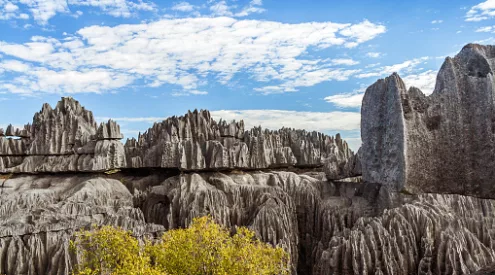
Separated from mainland Africa for millions of years, Madagascar feels otherworldly. Community-run reserves such as Anja Community Reserve protect fragile habitats while creating local livelihoods.
Guided forest walks focus on learning rather than spectacle. Lemurs move freely through fig trees while guides explain medicinal plants, ancestral beliefs and conservation challenges. These experiences highlight how environmental protection and cultural knowledge are deeply connected.
Community-based travel experiences
Village visits, local markets and homestays add depth to time spent in nature. Meals cooked over open fires and evenings filled with music and storytelling offer an intimate view of Malagasy life beyond postcard imagery.
Cities with layered histories

A View of Harar, Ethiopia/A. Davey from Where I Live Now: Pacific Northwest/Wikimedia Commons
Harar’s walled old town
In eastern Ethiopia, Harar holds centuries of trade, poetry and religious scholarship within its walls. Over one hundred mosques and countless shrines reflect the city’s role as a cultural crossroads.
Walking its narrow streets reveals colourful houses, lively markets and longstanding customs. Hyena feeding rituals at the edge of the city blend folklore and coexistence in ways found nowhere else.
Ancient wonders and everyday life in Egypt

Giza Nile/Faris El-Gwely/Wikimedia Commons
Egypt’s monuments need little introduction, yet time spent beyond the iconic sites adds texture. Near Giza, neighbourhood cafés, bazaars and river ferries show how ancient landscapes coexist with modern routines. Exploring local food scenes and artisan quarters creates a balance between awe and authenticity.
Connecting through food, music and shared moments
Across the continent, cultural immersion often begins at the table or in a circle of sound. Ethiopian injera shared communally, Ghanaian jollof cooked over charcoal, Moroccan bread baked for the day ahead, all carry stories of land, climate and migration.
Music and dance offer similar entry points. Participating in a drumming session or attending a neighbourhood celebration opens doors to understanding rhythm as language and movement as memory.
Why this kind of travel matters
Journeys that centre people and place encourage slower movement and deeper listening. They challenge the idea that Africa must be experienced through wildlife alone and highlight the continent’s immense cultural diversity. These experiences tend to support local economies more directly and foster mutual respect between visitors and hosts.
Follow us on social media for more travel news, inspiration, and guides. You can also tag us to be featured.
TikTok | Instagram | Facebook | Twitter
ALSO READ:
5 towns shaped by climate: South Africa’s stories of rebuilding and resilience





_in_tree.jpg)
