





A confirmed case of African horse sickness near Clanwilliam has prompted tighter movement restrictions in the Western Cape, with veterinary authorities working to prevent the disease from spreading.
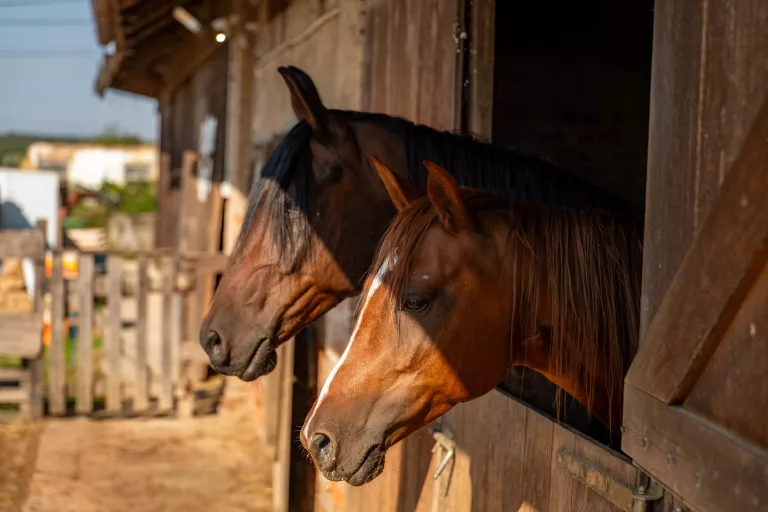
Vladimir Srajber / Pexels / Illustrative purposes only
The infection was confirmed on 27 October 2026 in a mule at Perdekraal, near Clanwilliam. Laboratory tests identified African horse sickness virus serotype 7.
The affected property is within the province’s protection zone, prompting increased surveillance and restrictions on the movement of horses, mules and donkeys.
Movement restrictions in place
The Western Cape Department of Agriculture is working with the national Department of Agriculture and South African Equine Health and Protocols (SAEHP) to contain the infection.
Movement permits are currently not being issued for horses, mules or donkeys leaving the affected area. Veterinary teams are also tracing animal movements and monitoring nearby properties for possible infections.
The department is keeping a close watch on Culicoides biting midges, which spread African horse sickness between animals.
Western Cape Agriculture Minister Dr Ivan Meyer said the priority was to contain the outbreak and protect the province’s equine industry. There is currently no evidence that the infection has spread into the surveillance or internationally linked disease-free zones.
What horse owners need to know
Horse owners have been urged to take precautions, including keeping animals stabled from two hours before sunset until two hours after sunrise, when biting midges are active.
Other recommendations include avoiding wet, low-lying areas where midges gather and using registered insect repellents. Owners should also watch for symptoms such as fever, swelling around the head and neck, breathing difficulties or sudden death. Any suspected infection should be reported to Veterinary Services immediately.
Authorities have also advised against administering live-attenuated African horse sickness vaccines while the investigation is ongoing.
African horse sickness is spread by biting midges and does not infect humans, posing no risk to public health or food safety. The department has urged horse owners and the wider equine community to follow veterinary guidance as monitoring continues.
For updates on movement restrictions and disease-control measures, horse owners can contact the Western Cape Department of Agriculture’s Veterinary Services.
Source (IOL)
Follow us on social media for more travel news, inspiration, and guides. You can also tag us to be featured.
Instagram | Facebook | Twitter | Spotify
ALSO READ:
Two arrested after mother rhino and calf killed in Eastern Cape poaching incident