

In Japan’s Seto Inland Sea, a small island has found a new identity through contemporary art.
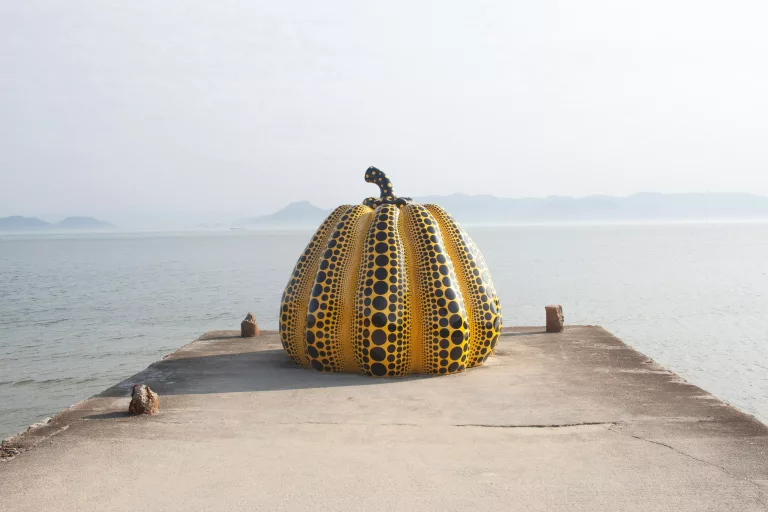
Naoshima Island, Naoshima, Kagawa, Japan / Rebecca Lam / Unsplash
Naoshima’s museums, unusual installations and coastal scenery now attract visitors from around the world.
An island transformed by art
Fishing boats line the harbour, traditional houses sit along narrow streets and the Seto Inland Sea stretches towards neighbouring islands. But Naoshima has an unexpected addition to it’s coastal scenery: contemporary art.
Covering around eight square kilometres, the Japanese island has become an internationally recognised cultural destination. It’s transformation began in the 1980s, when publisher Tetsuhiko Fukutake and then-mayor Chikatsugu Miyake shared a vision of bringing art, education and nature together.
The first major development was the Naoshima International Camp in 1989, followed by Benesse House Museum in 1992. Over the following decades, the project grew into what is now known as Benesse Art Site Naoshima.
Rather than simply building galleries, the vision was to bring art into the island itself. Old houses, coastal spaces and the surrounding landscape became part of the experience. This new cultural identity developed alongside Naoshima’s long-standing copper smelting industry, which remains an important part of local life.
Museums shaped by their surroundings
Japanese architect Tadao Ando has played a major role in shaping Naoshima’s identity. His designs combine concrete, natural light and geometric forms, often making the buildings as interesting as the collections inside them.
Benesse House Museum, which opened in 1992, combines a museum and hotel, with artworks displayed both inside and across the surrounding grounds.
Another of Ando’s notable designs is Chichu Art Museum, opened in 2004. Built largely underground to preserve the surrounding scenery, it uses natural light to shape it’s galleries.
The museum houses permanent works by Claude Monet, James Turrell and Walter De Maria. Highlights include five of Monet’s Water Lilies paintings, alongside installations exploring light, space and perception.
Art beyond the galleries
Some of Naoshima’s most interesting art spaces are found among it’s residential streets.
The Art House Project, launched in 1998, transformed vacant traditional buildings in the Honmura district into contemporary art spaces. It now includes seven locations, each with it’s own artistic identity. Visitors can explore them on foot, moving between installations while passing local homes and businesses.
For something different, Naoshima Bath I Love Yu is a public bathhouse designed by artist Shinro Ohtake. It’s colourful interiors turn an everyday Japanese experience into an unusual art encounter.
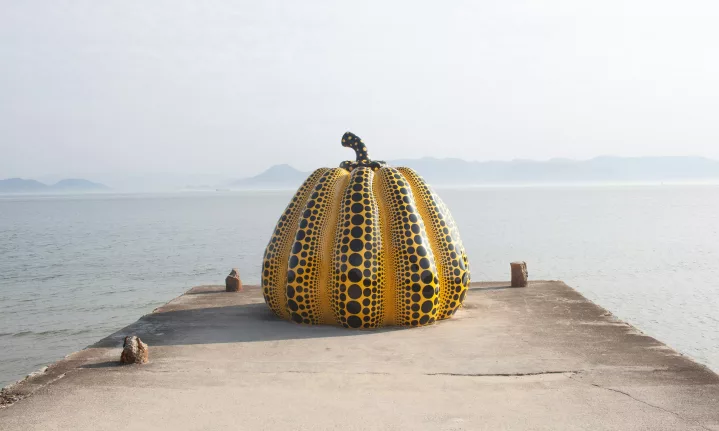
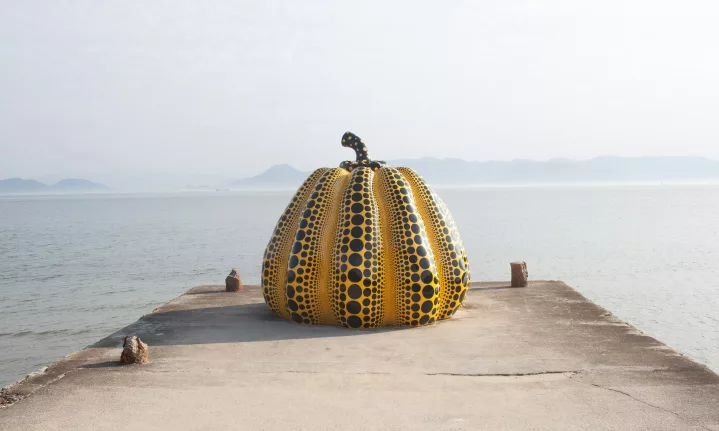
Then there are the pumpkins. Yayoi Kusama’s Yellow Pumpkin stands beside the sea near Benesse House, while her Red Pumpkin is located near Miyanoura Port. Their bright colours and distinctive patterns have made them two of the island’s most recognisable landmarks.
A growing cultural destination
Naoshima’s art scene continues to develop. On 31 May 2025, the Naoshima New Museum of Art opened near Honmura. Also designed by Tadao Ando, it focuses on contemporary art from Japan and wider Asia, adding another dimension to the island’s cultural offering.
The island is also part of a wider art destination across the Seto Inland Sea. Nearby Teshima and Inujima have their own museums and installations, making the region worth exploring beyond Naoshima.
Planning a visit
Ferries connect Naoshima with Uno Port in Okayama Prefecture and Takamatsu in Kagawa Prefecture. The journey to Miyanoura Port takes around 20 minutes from Uno and 50 to 60 minutes from Takamatsu.
Once on the island, visitors can use local buses, hire bicycles or explore on foot. As attractions are spread across different areas, allowing more than a few hours is advisable.
Some museums and art spaces require advance online reservations, including timed-entry tickets for Chichu Art Museum and selected Art House Project installations. Check the official Benesse Art Site calendar before travelling, as opening days and admission arrangements vary.
Staying overnight is another option. Benesse House offers accommodation within the museum complex, while guesthouses and smaller stays are available elsewhere on the island.
More than an art destination
Naoshima’s transformation is a reminder of how art can give a place a new identity without erasing what makes it distinctive.
Between museums and installations, there are still fishing boats, quiet streets and the rhythms of everyday island life. It’s industrial history and contemporary art scene exist alongside one another, giving the island a character that is difficult to replicate.
For travellers looking beyond Japan’s busy cities, Naoshima offers a different kind of discovery. Here, art is not confined to gallery walls. It sits beside the sea, occupies old houses and becomes part of the landscape. Small in size but remarkable in character, Naoshima is a destination worth slowing down for.
Follow us on social media for more travel news, inspiration, and guides. You can also tag us to be featured.
Instagram | Facebook | Twitter | Spotify
ALSO READ:
These are the world’s best cities for vintage shopping and craft experiences