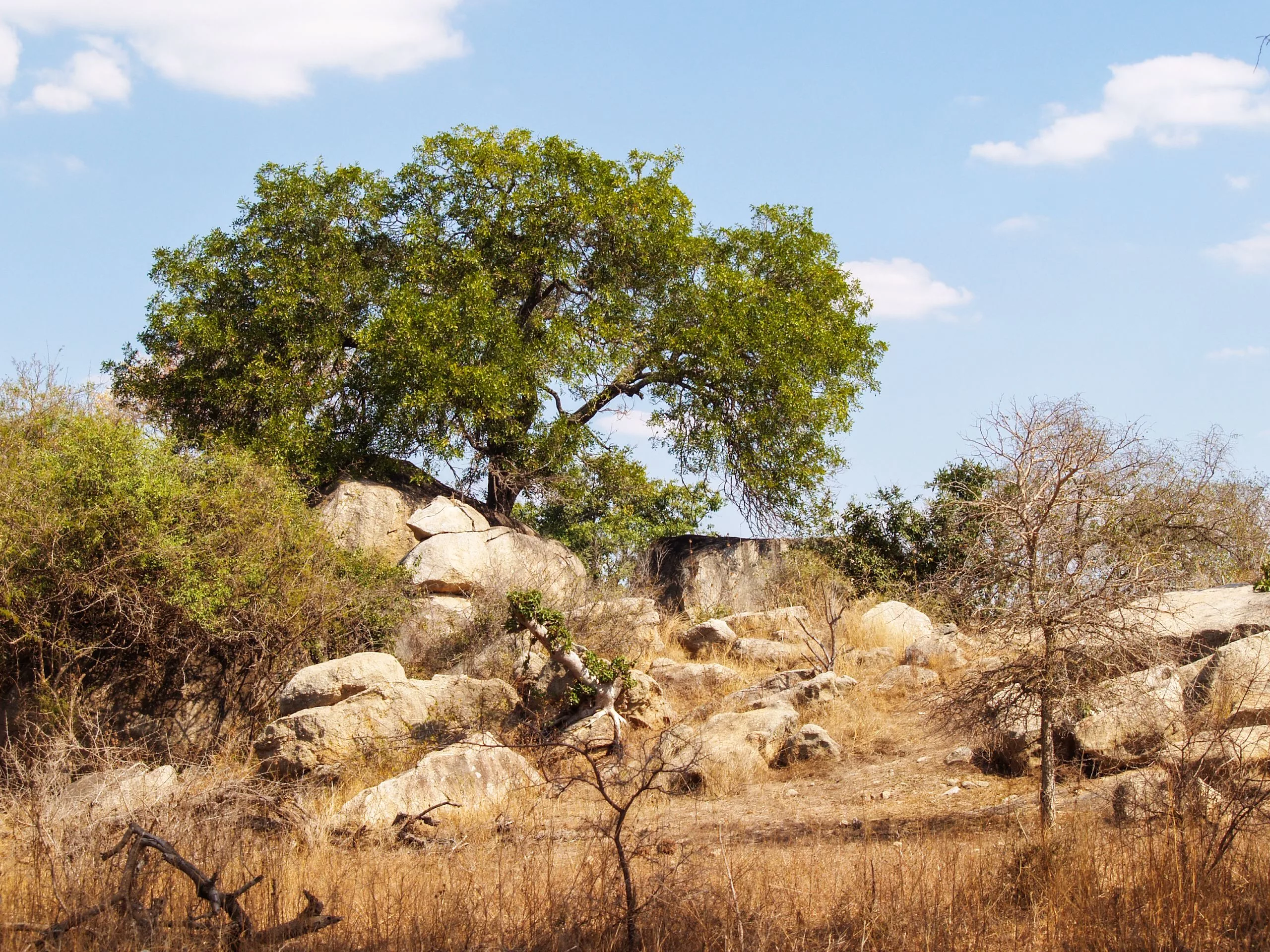




Imagine waking up to the sound of elephant grass rustling in the Zambezi Valley, diving among coral reefs in the Maldives, or planting saplings in the shadow of Mount Kilimanjaro.

Image used for illustrative purposes/Alex Indigo/Wikimedia Commons
Volunteer vacations are changing the way travellers explore the planet. Instead of being passive observers, participants actively engage as part of restoration teams, research crews, and community-led conservation initiatives. The reward? An unforgettable adventure that also helps protect the natural world.
Why combine adventure and conservation?
The modern traveller seeks authenticity and purpose in their journeys. Conservation volunteering provides both. While you might be kayaking down estuaries, trekking through jungles, or diving in tropical waters, your experience gains added significance: your actions contribute to scientific research, habitat restoration, or wildlife protection.
However, making a genuine impact relies on participating in ethical and well-structured programs. Reputable conservation projects ensure that volunteers are properly trained, supervised, and integrated into long-term initiatives, rather than just being assigned “feel-good” tasks.
Wildlife Tracking: Adventure in the field
View this post on Instagram
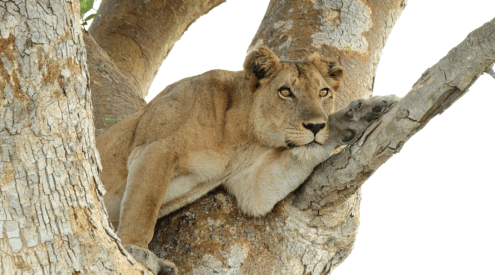
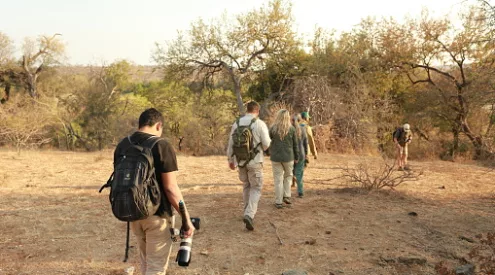
For wildlife lovers, joining a tracking or research team is as thrilling as any safari. In Zimbabwe and Namibia, organisations like Conservation Travel Africa run projects that train volunteers to record animal sightings, study predator behaviour, and monitor elephant movements.
It’s rugged work — early starts, long treks, sometimes even helping with anti-poaching patrols — but it offers a front-row seat to Africa’s most pressing conservation challenges.
Further afield, Biosphere Expeditions operates similar wildlife research trips, combining fieldwork with citizen science. From tracking snow leopards in Central Asia to observing whales in the Azores, each expedition supports ongoing scientific efforts.
Adventure rating: High. You’ll hike, camp, and learn real field skills — from using GPS to identifying tracks.
Impact rating: Direct — your data feeds into research and park management plans.
Coral Reef Restoration: Diving with a difference
View this post on Instagram
For ocean enthusiasts, marine conservation volunteering offers both adventure and environmental education. Coral reefs — the rainforests of the sea — are among the most threatened ecosystems on Earth, and volunteers play a key role in restoring them.
In the Maldives, Mauritius, and Thailand, organisations such as GVI and WorkingAbroad train volunteers to monitor coral health, collect marine biodiversity data, and even plant coral fragments on damaged reefs. Scuba certification often forms part of the experience, so participants gain practical diving skills while contributing to marine restoration.
Adventure rating: High. Expect daily dives, boat trips, and encounters with turtles, rays, and reef fish.
Impact rating: Tangible — coral fragments you plant can help rebuild entire reef sections.
Reforestation: Roots of change
View this post on Instagram
Not all conservation work happens underwater or in remote reserves. On land, reforestation projects are expanding across Africa and beyond.
In Tanzania, ConservationVIP volunteers have helped plant over 1,000 indigenous trees near Lake Manyara National Park. The work supports erosion control, improves wildlife corridors, and involves local communities in ecosystem restoration.
Meanwhile, in South Africa, the Greenpop Foundation runs reforestation and urban greening projects from the Garden Route to Zambia’s Livingstone region. Their “Reforest Festivals” mix planting days with eco-education and live music — proof that conservation can be both impactful and joyful.
Adventure rating: Moderate. Expect physical work, community interaction, and often camping in scenic locations.
Impact rating: Long-term — forests you plant today will shape tomorrow’s ecosystems.
How to choose an ethical volunteer program
Not all volunteer projects are created equal. Look for these signs of responsible practice:
- Transparency: Clear breakdown of how fees are used. Reputable programs channel most funds into conservation, not admin.
- Scientific credibility: Projects backed by qualified researchers or NGOs ensure data and actions contribute meaningfully.
- Local partnerships: The best initiatives work with communities, not around them.
- Training and support: Proper induction and safety protocols are essential.
- Measurable impact: Organisations should share reports or data showing long-term results.
If in doubt, platforms like Volunteer Forever, GoEco, or Responsible Travel offer verified listings and reviews.
Practical tips for the volunteer adventurer
- Health & safety: Check visa, vaccination, and insurance requirements.
- Gear up: Lightweight clothing, reusable bottles, dive gear or hiking boots depending on project type.
- Learn before you go: Understanding local ecology and culture enriches your experience.
- Stay humble: You’re joining ongoing work — not “saving” a place single-handedly.
- Leave no trace: Sustainable travel principles still apply.
The ethics of “Voluntourism”
Critics warn of projects that exploit volunteers or create dependency. “Voluntourism” becomes harmful when unqualified participants disrupt ecosystems or when profits outweigh impact.
To avoid this, choose initiatives with a proven track record, local involvement, and transparent communication. True conservation travel prioritises the planet and its people — not the traveller’s photo album.
Why it matters
Volunteer vacations are about connection — between people and planet, action and awareness. They challenge us to go beyond sightseeing, to get our hands dirty (sometimes literally) in service of something bigger.
So whether you’re tracking lions, restoring coral reefs, or planting trees, your journey becomes part of a global effort to protect the places we love to explore.
Follow us on social media for more travel news, inspiration, and guides. You can also tag us to be featured.
TikTok | Instagram | Facebook | Twitter
ALSO READ: 7 lesser-known African rivers for adventure