







Foot-and-mouth disease (FMD) has been confirmed in kudu at Addo Elephant National Park in the Eastern Cape, prompting strengthened biosecurity measures while tourism operations continue.
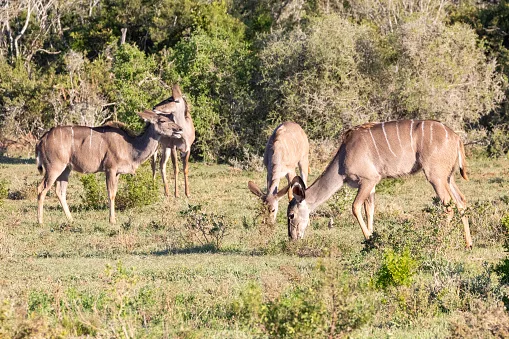
Herd of Greater Kudu cows (Tragelaphus strepsiceros) grazing in wooded savannah, Addo Elephant National Park, Eastern Cape/By: Kaleidoscope-images/
iStock
South African National Parks (SANParks) confirmed that a second round of diagnostic testing on samples collected from affected kudu returned positive results for the highly contagious animal disease.
According to SANParks, the Department of Agriculture was notified after wildlife health surveillance detected an increase in lameness among kudu in the park. Initial tests were negative, but follow-up investigations confirmed the presence of the virus.
No other wildlife species in the park are currently showing clinical signs consistent with foot-and-mouth disease.
ALSO READ:
Storms and scorching heat set to hit parts of South Africa
Biosecurity measures strengthened
SANParks is working with the Department of Agriculture and other stakeholders to monitor affected animals, assess the extent of the disease and implement appropriate control measures.
Biosecurity protocols have been strengthened, including the disinfection of vehicles before they leave designated game-viewing areas. Additional precautions may be introduced if advised by veterinary authorities or required under animal-disease legislation.
The movement of cloven-hoofed animals into or out of the park is prohibited unless authorised by the relevant veterinary authority following a risk assessment.
SANParks is also communicating with neighbouring landowners, livestock producers and other stakeholders to help coordinate precautionary measures.
The organisation emphasised that the positive test results confirm the presence of the virus in the sampled kudu but do not establish how the animals became infected or whether the finding is linked to other outbreaks in the Eastern Cape. These questions remain under investigation by the relevant veterinary authorities.
Visitors can still visit Addo
Tourism operations at Addo Elephant National Park remain open and will continue under the park’s disease-management measures and applicable veterinary requirements.
SANParks said foot-and-mouth disease is not considered a risk to human health. However, visitors are asked to follow all park access, movement and biosecurity instructions.
Foot-and-mouth disease affects susceptible cloven-hoofed animals, including cattle and certain wildlife species. Monitoring and surveillance will continue among affected kudu, other susceptible wildlife and potential routes through which the virus could spread.
SANParks said further updates would be issued when verified, material information becomes available.
Follow us on social media for more travel news, inspiration, and guides. You can also tag us to be featured.
Instagram | Facebook | Twitter | Spotify
ALSO READ:
North Africa sees tourism gains as global travel conditions improve