






Leopards are once again roaming parts of South Africa’s West Coast, almost two centuries after the predators were hunted out of the region.
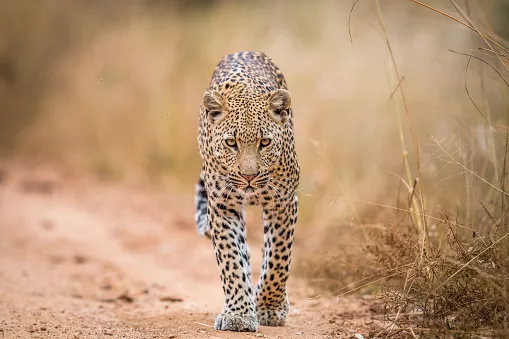
Image used for illustrative purposes/By: Simoneemanphotography/iStock
More than seven leopards have now been recorded moving through the area, with one photographed by a camera trap in West Coast National Park last year. The sighting was the first confirmed record of a leopard in the park in around 170 years, according to EWN.
The return is particularly significant because the animals were not deliberately reintroduced. Instead, conservationists believe the leopards have naturally recolonised parts of the West Coast.
A natural return to the West Coast
Landmark Foundation general manager Dr Bool Smuts told 702, as reported by EWN, that leopards were hunted out of the region during the mid-1800s.
While small populations survived in mountainous areas elsewhere in the Cape, the species has gradually begun moving back towards the coast since around 2015.
Smuts described the development as a “natural recolonisation”, with researchers believing some of the leopards may have moved into the region from the Cederberg.
The return highlights the importance of maintaining connected habitats and protected areas, particularly for wide-ranging predators.
According to Smuts, changes in land use, the expansion of protected areas and increasing tolerance of predators among communities may all have contributed to creating conditions in which leopards can return.
ALSO READ:
Namibia FMD outbreak could put pressure on South African beef prices
Why the leopard sightings matter
Leopards are among South Africa’s most adaptable large predators, but their populations face pressure from habitat loss, conflict with people and the loss of prey.
Their return to an area from which they disappeared for generations is therefore an encouraging conservation development.
Smuts told 702 that conservationists more often hear stories about large predators disappearing from landscapes than returning to them.
The sightings on the West Coast suggest that where suitable habitat remains available and conservation measures are supported, wildlife can reclaim parts of its historic range.
Living alongside leopards
The return is not without challenges.
The West Coast is also home to livestock farmers, and the presence of leopards can create concerns about sheep and other livestock being killed.
Smuts described managing this conflict as critical, with conservation organisations working with farmers to find ways of reducing the risk.
Some participating farmers can also receive compensation for livestock losses, helping to create greater tolerance for predators in areas where people and wildlife share the landscape.
Finding ways for farmers and leopards to coexist will be important if the animals are to establish a sustainable population in the region.
Will leopards establish a permanent population?
Seven or more animals represent only a small population, and conservationists will continue monitoring their movements to determine whether the leopards can establish themselves in the West Coast landscape.
Their return is nevertheless an unusual conservation success story.
After disappearing from the region for roughly 170 years, the leopard is once again moving through the West Coast, this time without being deliberately brought back.
As Smuts told 702, it is a “very heartening story” and one that conservationists do not often get to see.
Source: EWN
Follow us on social media for more travel news, inspiration, and guides. You can also tag us to be featured.
Instagram | Facebook | Twitter | Spotify
ALSO READ:
5 ways travellers can contribute to conservation without volunteering