

Visitors planning a day out at Gauteng’s Rietvlei Nature Reserve should note that the popular Marais Dam picnic site has been closed due to water pollution reaching alarming levels.
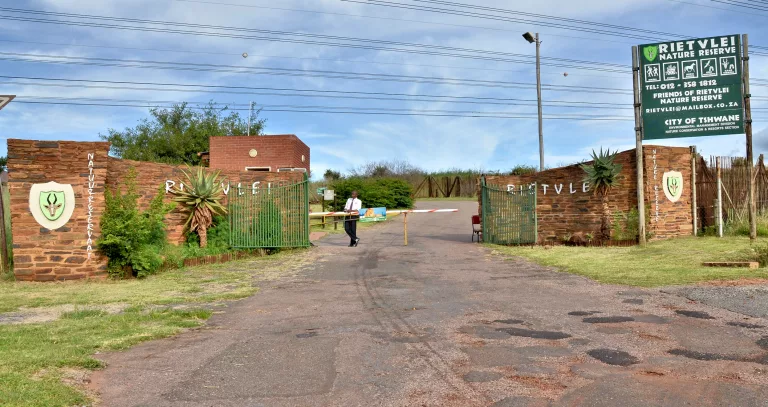
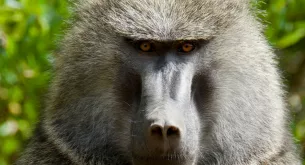
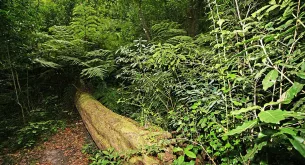
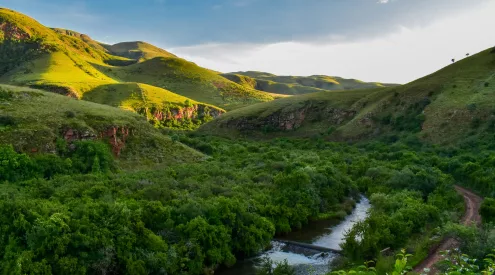
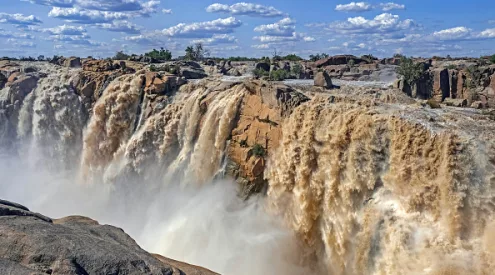
Image used for illustrative purposes/Ossewa/Wikimedia Commons
According to Rekord, recent research has revealed persistently high phosphorus levels in the reserve’s waterways, raising concerns about the long-term health of one of Gauteng’s premier conservation areas.
A July report by water specialist Dr Michael van der Laan found that every sampling site in and around the reserve exceeded South Africa’s legal limits for phosphorus discharged into watercourses. The study also found that pollution was already present before the Riet River entered the reserve and became progressively worse downstream.
The highest phosphorus concentration was recorded at Marais Dam, where levels reached 5.1 mg/L—around five times the legal discharge limit and approximately 20 times the concentration associated with severe algal blooms.
Van der Laan noted that similar high readings were recorded in October 2025, suggesting the pollution is part of an ongoing problem rather than an isolated incident. Although phosphorus levels dropped during the summer rainfall period, he said this was likely due to dilution from increased water flow rather than any improvement in water quality.
The report warns that sustained nutrient pollution could trigger harmful algal blooms, reduce oxygen levels and damage aquatic ecosystems. BirdLife South Africa members have also reportedly observed declining bird numbers and fewer bird species within the reserve.
ALSO READ:
Known as one of Gauteng’s leading birdwatching destinations, Rietvlei Nature Reserve is home to a wide range of wildlife, making the findings particularly concerning for conservationists.
Environmental group Friends of Rietvlei has called for urgent action to stop nutrient-rich pollution from entering the Riet River before further ecological damage occurs.
The pollution has also affected the visitor experience. Van der Laan’s report identified Marais Dam as the worst-affected site, with visitors encountering unpleasant odours near the water. As a precaution, the City of Tshwane has fenced off the picnic area to prevent public access.
City of Tshwane spokesperson Lindela Mashigo told Rekord that investigations indicate the pollution originates upstream of the Rietvlei system, outside the municipality’s jurisdiction.
He said the city continues to work with relevant authorities and stakeholders to mitigate the impact on the reserve while protecting Pretoria’s water supply infrastructure. Water flowing through the reserve eventually enters Rietvlei Dam, which is used for recreation before supplying raw water for treatment.
Mashigo said the temporary closure of the Rietvlei Water Treatment Plant has not affected residents’ drinking water, as alternative treatment facilities and water sources are currently being used. He added that water supplied to households continues to meet required drinking water standards.
While no timeline has been provided for restoring water quality, the city says it remains committed to working with Rand Water and other authorities to address the pollution entering the catchment.
Follow us on social media for more travel news, inspiration, and guides. You can also tag us to be featured.
Instagram | Facebook | Twitter | Spotify
ALSO READ:
South Africa flight prices set to rise as fuel costs hit airlines