Off-roading above the canopies in Morocco’s Rif Mountains, Oliver Keohane witnessed the city of Chefchaouen emerge like a blue iris among the lower mountain folds; equally as impressive as strolling the city’s side streets, exploring its character and cuisine.
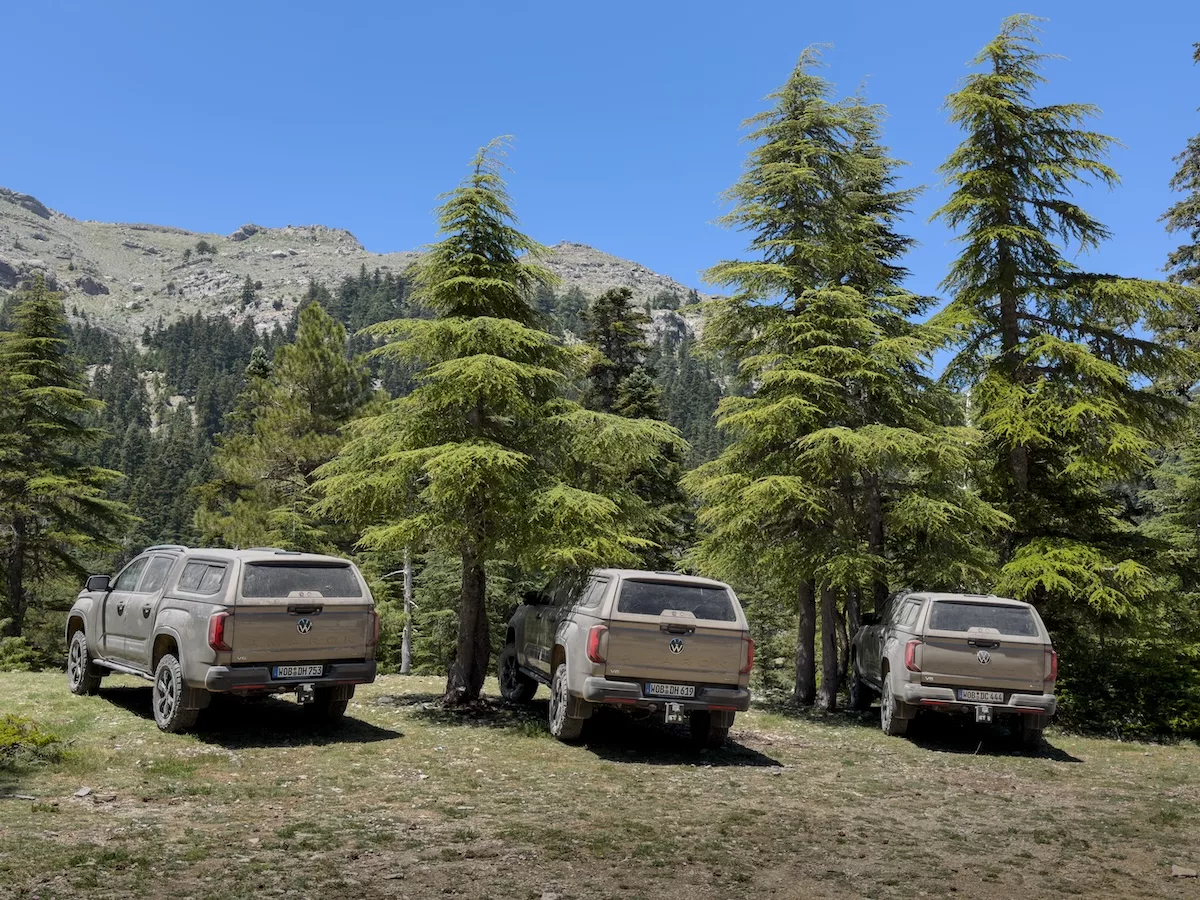
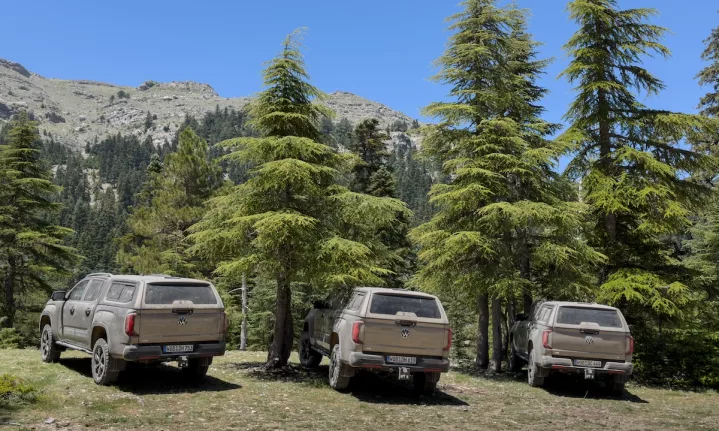
Nearly 2 000 m above sea level, there’s a plateau marked as Plaza España, a name borrowed from the Spanish by our lunch spot in the contoured, coniferous network of the Rif Mountains in northern Morocco. We sat cross-legged on Berber rugs, stomachs filled with kefta (ground meat on skewers), cooked peppers and khobz (similar to pita), absorbing a lesson in local botany. ‘It’s called the Moroccan fir (Abies marocana),’ explained the local chef, pointing to the impressive horizon line of fir-filled limestone slopes. ‘It’s a type of tree – there’s another species belonging to the same genus in Sierra de Grazalema Natural Park, Spain, which is called the Spanish fir tree (A. pinsapo). But this is A. marocana, which is endemic to this area. It only grows at over 1 500 m above sea level,’ he continued.
ALSO READ: Queenstown, New Zealand – God’s Own
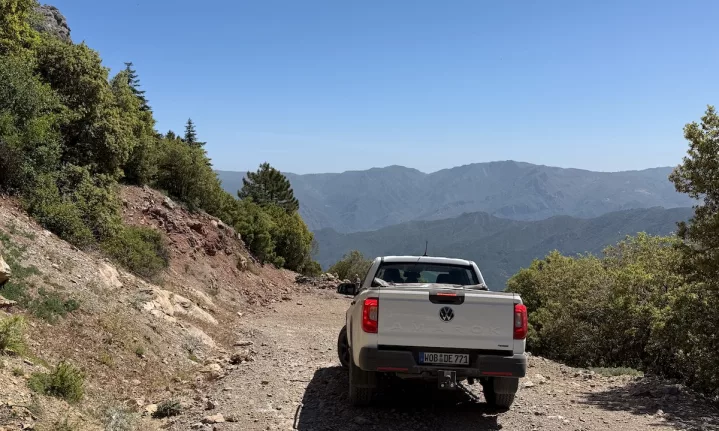
We found ourselves in this forest in the sky thanks to the low-down torque and four-wheel-drive systems of a fleet of Volkswagen Amarok double-cabs, and the Volkswagen Group’s intention to remind global markets of the magnificent piece of engineering that constitutes a double-cab bakkie in this day and age. Gone are the days when the light commercial vehicle segment required simply a workhorse, and Volkswagen’s current-generation Amarok – along with the Ford Ranger, with which it shares its platform – sets the standard for luxury and comfort coupled to capability in the segment.
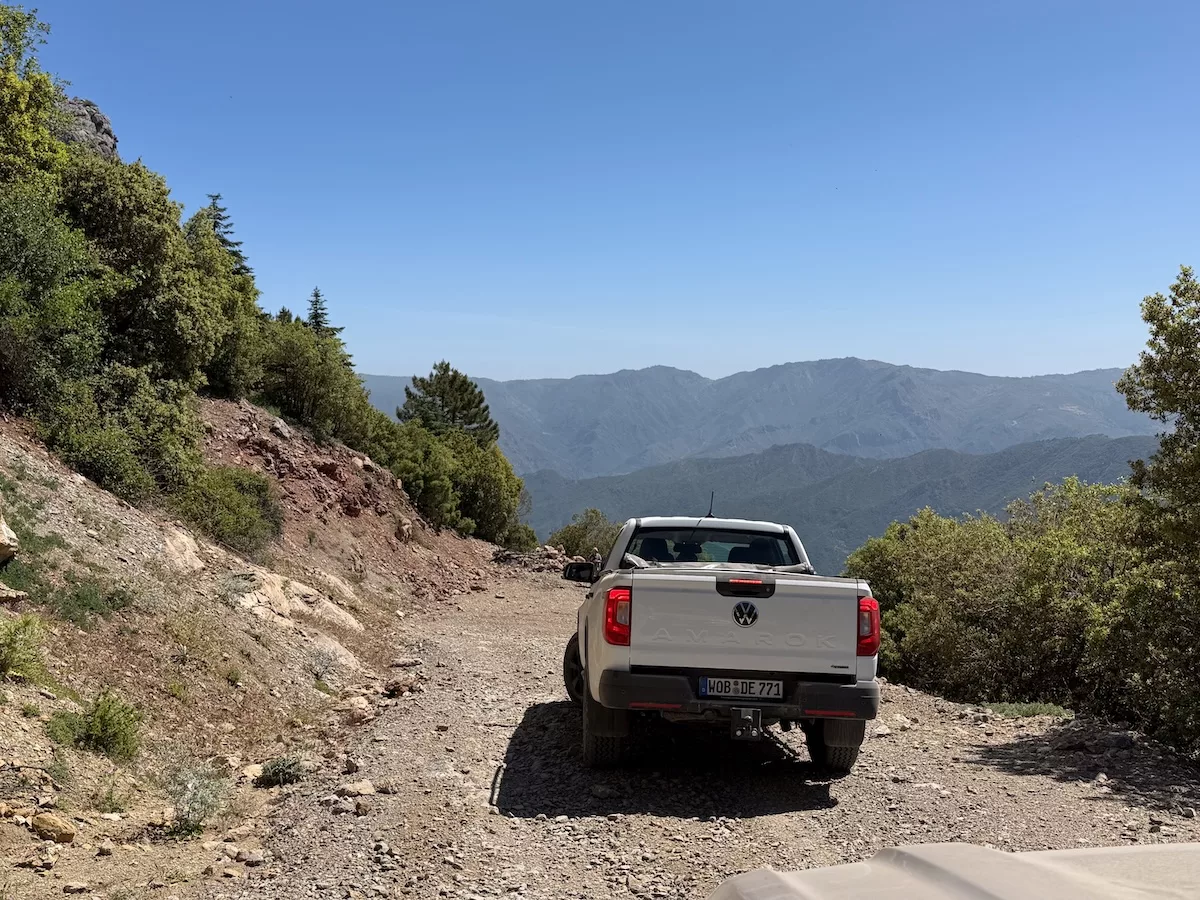
In less than 24 hours, we had made it from Tangier-Ibn Battouta International Airport – getting to grips with the right (wrong) side of the road and the lawless approach to traffic circles – and up into Talassemtane National Park, in the western Rif Mountains, just outside Chefchaouen. Created in 2004 and recognised by UNESCO as part of the Intercontinental Biosphere Reserve of the Mediterranean, the park covers close to 590 km² of rugged terrain, deep gorges and dense forest. It exists specifically to protect the A. marocana. Paint me a still life of a mountain unbothered, and perhaps you’ll capture the view from our plateau: firs standing unfazed, ranks of them running toward the ridgeline, uniform in shape but unmistakably wild.
ALSO READ: Dublin, Ireland and the essence of an evening
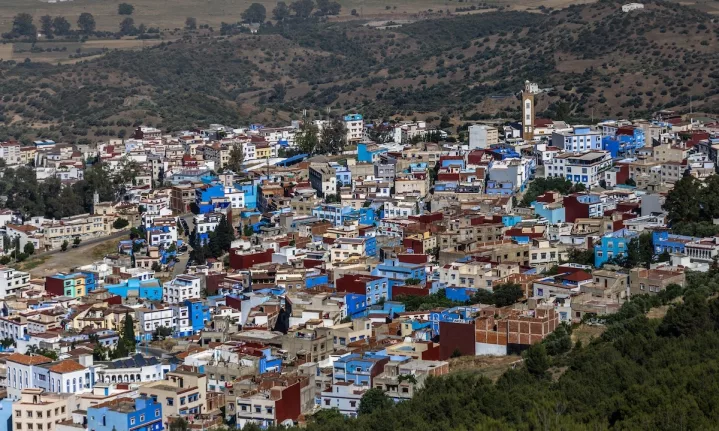
Towards the start of our surreal ascent to this endangered mountainous forest, before a switchback in the gravel took the convoy from the face of the slopes, inwards and up, we were afforded a bird’s-eye view of the city of Chefchaouen, the ‘Blue Pearl’, its rooftops glaring into the harsh daylight. Lapis lazuli in a sea of limestone.
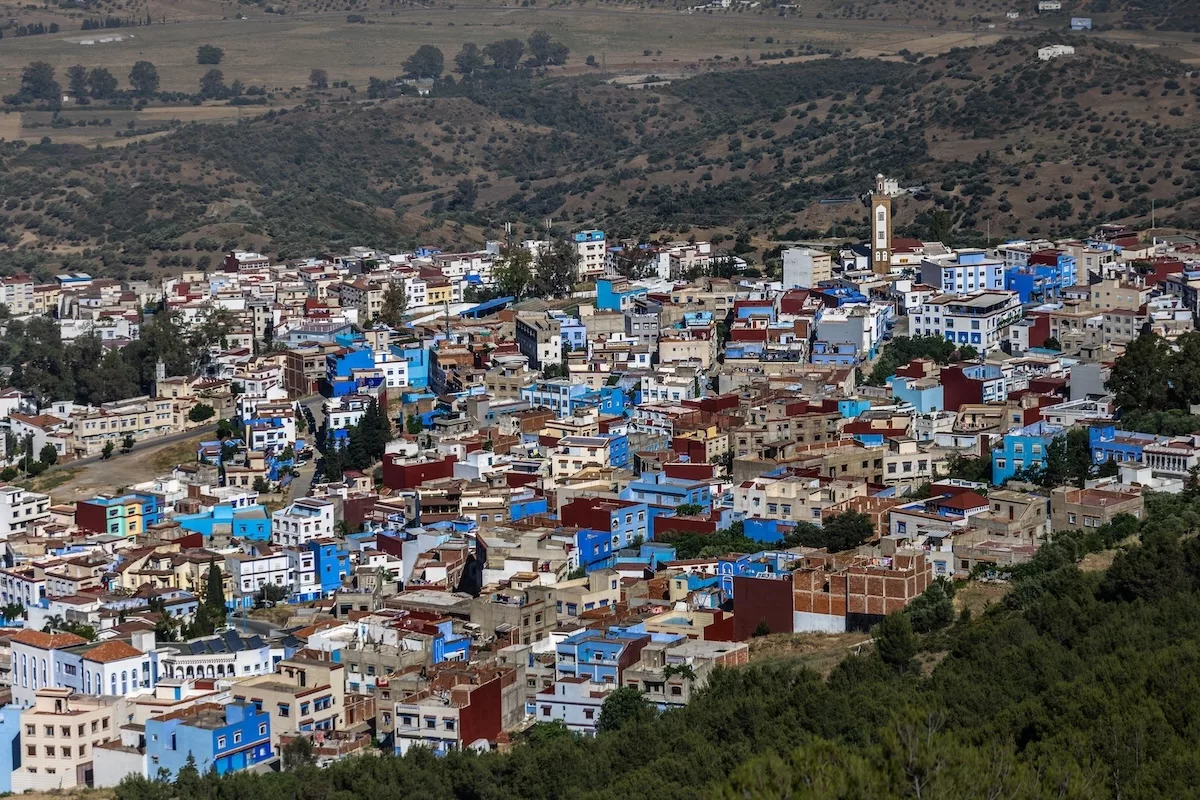
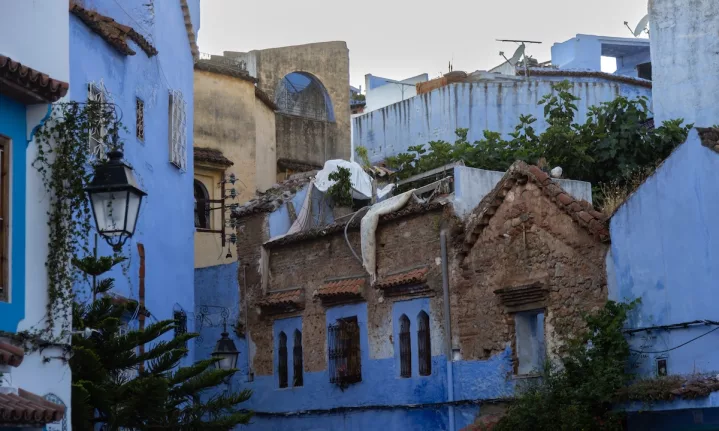
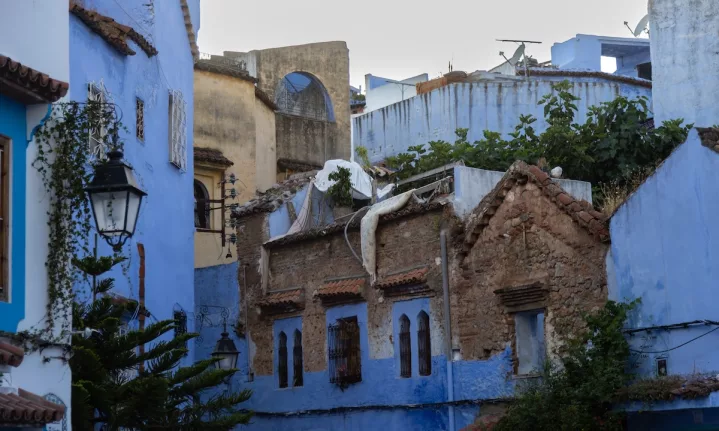
Chefchaouen earns its nickname without much argument. Every wall, stair and doorway in the old medina is painted some shade of blue, from pale powder to deep cobalt, and the effect is disorientating, like walking through a town that has been left out in the sun to fade evenly. Nobody can agree on why. Some credit Jewish refugees who arrived in the ’30s and painted the town blue as a reminder of the sky and a deterrent to mosquitoes. Others point to older Andalusian traditions carried over by Muslim and Jewish families fleeing the Reconquista, who settled here after the town was founded in 1471 as a mountain fortress against Portuguese incursions. Whatever the origin, the upkeep is a communal ritual, with residents repainting their section of wall each year before the rains set in.
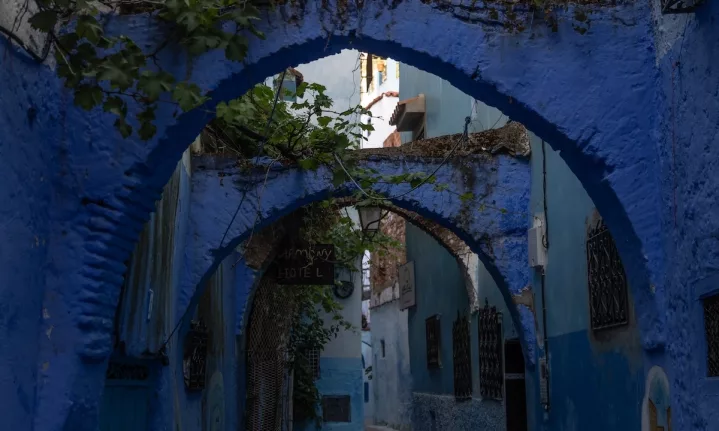
Thanks to the nature of the trip – an off-roading epic through the Rif Mountains, which ended with dinner in the city itself – we had the unique luxury of experiencing the visual wonder twofold: Once from the slopes and again at eye level. From afar, the city is a piercing blue iris among the lower mountain folds; up close, in the valley, its personality reveals itself. The knowing eye of the local follows you as you pick your way through the maze of cerulean side streets, narrow stairwells and knee-height doors. There’s a mystery to the blue walls.
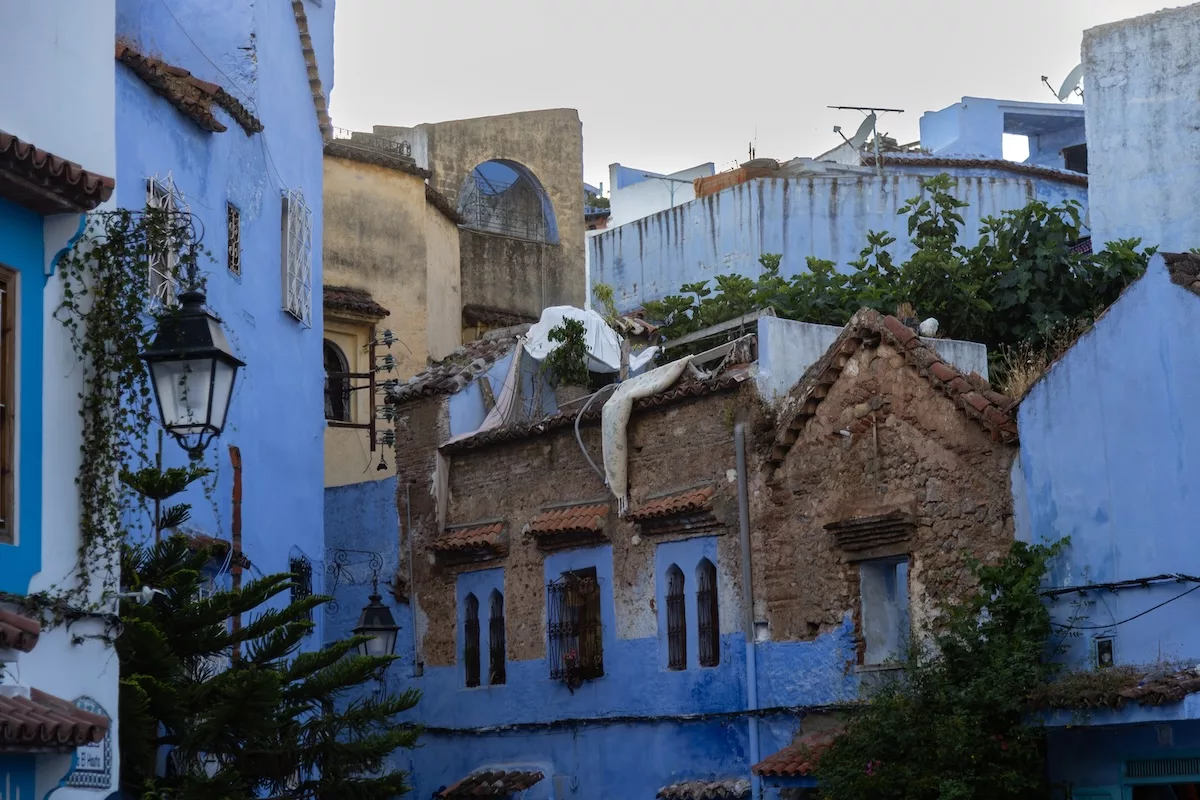
As impressive as it was to see Chefchaouen from the ridges of the Rif Mountains, it was equally spectacular to inspect the mountain range from below, to watch the evening working its way down the cliff-face in a dance of yellow light. I caught the best of it from the terrace of Triana Café & Restaurant, a rooftop restaurant tucked into the upper medina whose menu features the tagines, grilled fish and mint teas typical of Moroccan and Andalusian cooking.
The beauty of a vehicle, especially an elite-grade double-cab like the Amarok, is the access it allows you to the world. One evening, we were flying down a two-hour straight from Tangier to Chefchaouen, espousing the virtues of the Amarok’s V6 engine mated perfectly to a 10-speed automatic and the absence of cabin noise as co-pilot Calvin Fisher and I went story for story. The next morning, we engaged four-wheel drive, and only disengaged it after the experiential marvel of climbing one of the world’s most interesting mountain ranges. You could do it all on foot, but it certainly wouldn’t be a day’s work!
ALSO READ: Namibia by sky – soaring the Sossusvlei
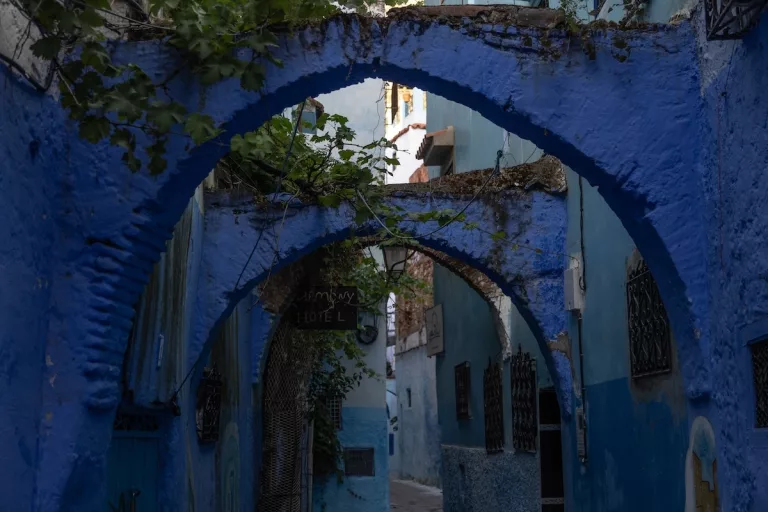
Dar Ba Sidi & Spa
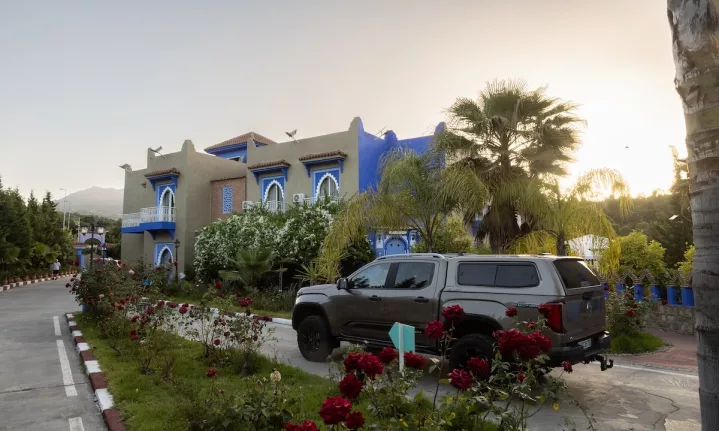
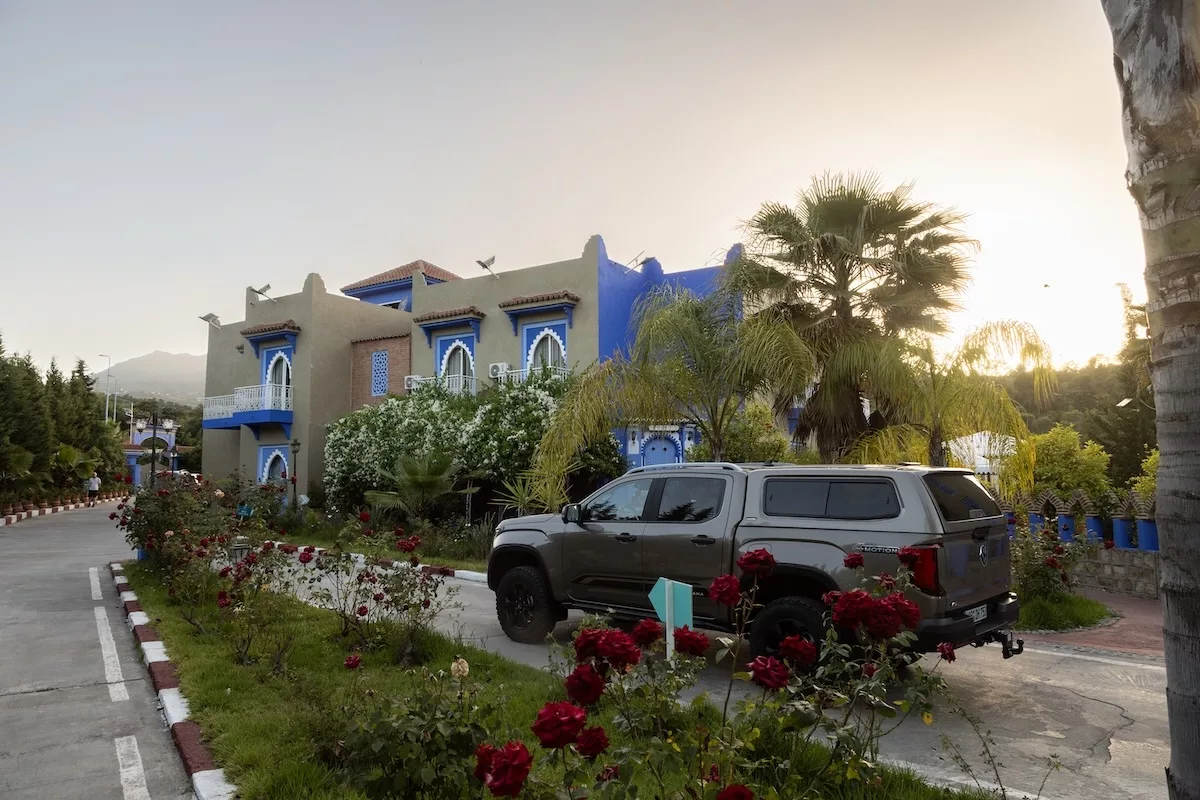
Our base for the trip was Dar Ba Sidi & Spa, a maison d’hôtes-style property roughly 12 km from Chefchaouen along the N2, close enough for an easy run into the medina but removed enough to play as a retreat. The architecture leans into Andalusian-Moroccan tradition: rooms wrap around a central courtyard in the classic riad layout, walls carry the same blue that defines the town below, and roof tiles run terracotta, a direct nod to the city without attempting to replicate it. Mosaic tilework, carved plasterwork and richly patterned textiles fill the interiors, while the garden opens onto a pool framed by Rif foothills. A hammam and spa sit alongside the main restaurant, which works a similar line to the architecture: Moroccan staples done properly, with the occasional Mediterranean detour. The hotel reads as a deliberate extension of Chefchaouen’s visual language, built at a scale the medina itself can’t accommodate.
Follow Oliver’s adventures on Instagram.
Follow us on social media for more travel news, inspiration, and guides. You can also tag us to be featured.
Instagram | Facebook | Twitter