



More South Africans are leaving the familiar behind, trading busy roads and crowded hides for wild places where silence reigns, stars burn bright, and every sighting feels like a discovery.
From the desert lions of the Kgalagadi to the ancient baobabs of Mapungubwe, travellers are redefining what safari means — less checklist, more connection.
Remote, crowd-free alternatives

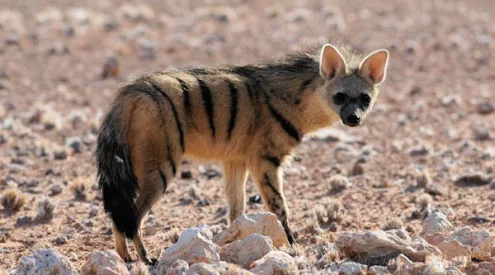
Oryx gazella in the Kgalagadi Transfrontier Park/Amada44/Wikimedia Commons
Kgalagadi Transfrontier Park
Straddling South Africa and Botswana, the Kgalagadi is arid, stark, and strikingly empty. Here, black-maned Kalahari lions roam among red dunes, and herds of gemsbok and springbok etch trails across the sand. With campsites spaced far apart and night skies unpolluted by light, the Kgalagadi is a safari as solitude — rugged, remote, and unforgettable.
iSimangaliso Wetland Park

iSimangaliso Wetland Park/Martie Bloem/Unsplash
Where else can a person spot hippos and crocodiles on an estuary cruise and then swim with tropical fish just an hour later? iSimangaliso, KwaZulu-Natal’s UNESCO-listed wetland wonder, blends safari and sea. It’s a favourite for travellers seeking variety: self-drive game drives through grasslands, birding in forest wetlands, and beach days at Cape Vidal.
Addo Elephant National Park

Just outside Port Elizabeth (Gqeberha), Addo has shed its identity as just “the elephant park” and grown into one of the most biodiverse national parks in South Africa. At Addo’s waterholes, elephant encounters are almost guaranteed, with herds often gathering for a drink or a playful mud bath. Beyond these gentle giants, the reserve also offers excellent Big Five sightings. And thanks to its close proximity to the coast, visitors can pair their safari with a marine adventure in Algoa Bay, home to Southern Right whales and great white sharks.
ALSO READ: The ocean giants of Cape Town: 5 sharks you might encounter
Marakele National Park

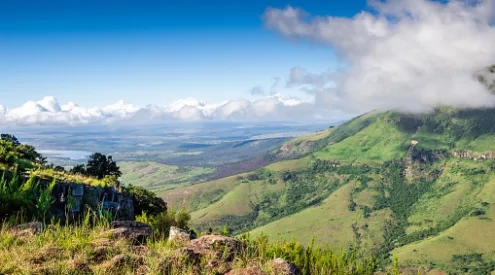
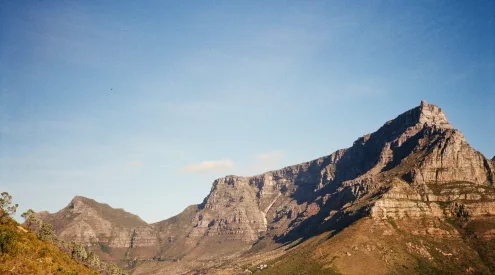
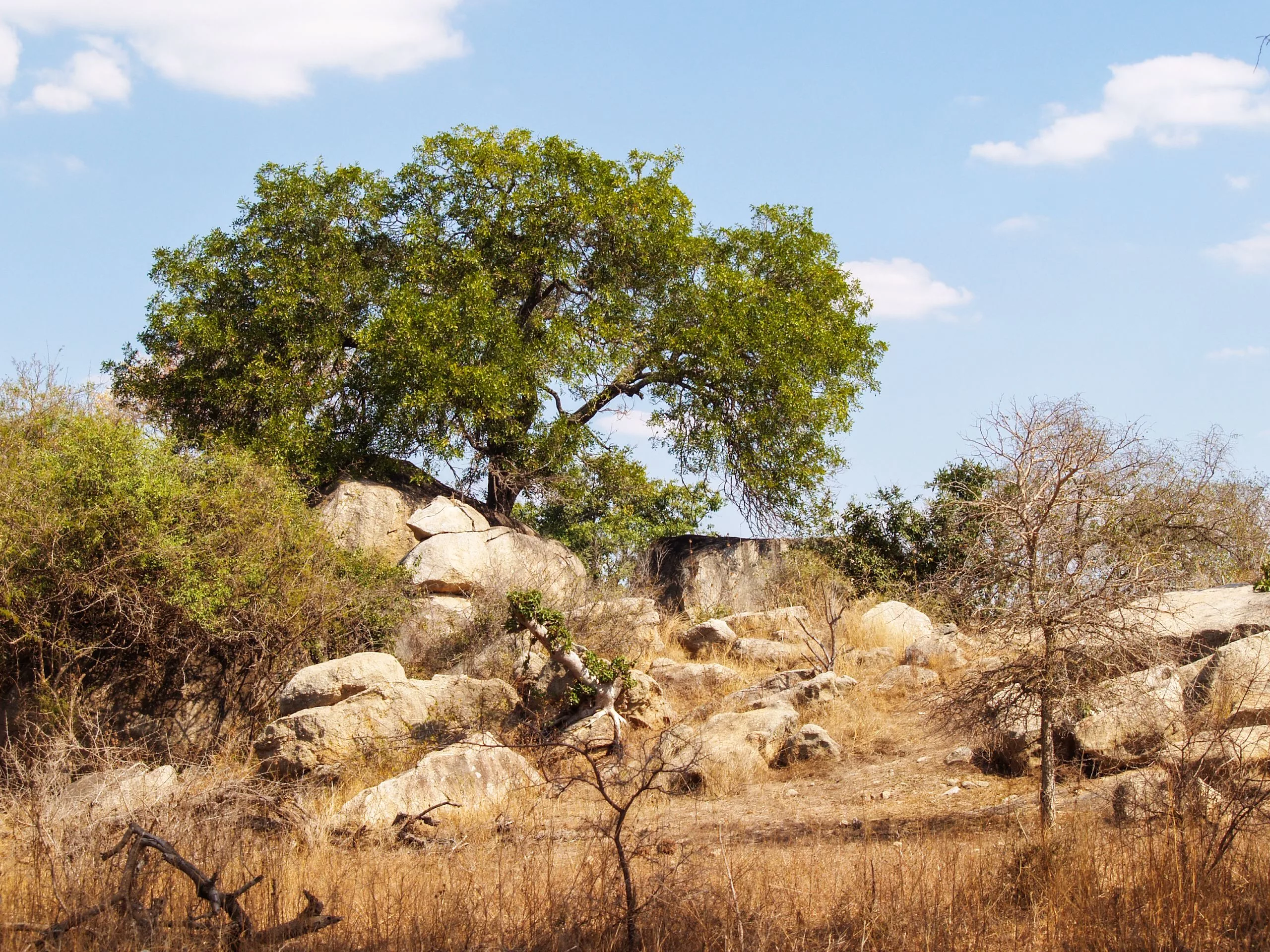
Marakele National Park/Derek Keats from Johannesburg, South Africa/Wikimedia Commons
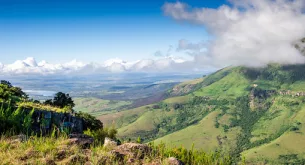
For Gauteng travellers, Marakele is a weekend-friendly escape that can feel worlds away. Nestled in the Waterberg mountains, it’s a park of contrasts — savannahs filled with elephant, zebra and rhino, plus cliffs that provide sanctuary to Cape vultures. The rugged scenery and quieter camps make it an appealing alternative for those who crave variety in their wildlife experiences.
Pilanesberg National Park

Pilanesberg National Park/Matthew Fainman/Unsplash
Just two hours from Johannesburg, Pilanesberg is one of South Africa’s most accessible Big Five destinations. Set in an extinct volcanic crater, the park offers striking landscapes — rolling hills, rocky ridges, and waterholes where wildlife congregates year-round. Its tarred and gravel roads make it a family-friendly option for self-drive safaris, while its proximity to Sun City adds a splash of resort-style convenience. For travellers who want the thrill of lion and leopard sightings without venturing far from Gauteng, Pilanesberg offers the perfect balance between accessibility and wilderness.
Mapungubwe National Park

Mapungubwe National Park/Laura SA/Wikimedia Commons
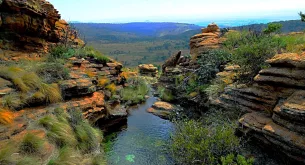
At the confluence of the Limpopo and Shashe rivers, Mapungubwe pairs game drives with cultural depth. Among ancient baobabs and sandstone ridges lie the remains of an Iron Age kingdom, a UNESCO World Heritage Site where gold artefacts and royal graves tell stories of Africa’s earliest civilizations. Wildlife may include elephants and leopards, but the ultimate reward is walking in the footsteps of history.
Changing values of South African travellers
- Sustainability: Travellers want their safari spend to contribute to conservation, not mass tourism. Many of the smaller parks funnel funds directly into biodiversity protection.
- Experiences over checklists: Instead of rushing from sighting to sighting, travellers are embracing slow safari: guided bush walks, night drives, and cultural interactions with local communities.
- Digital detox appeal: In an always-on world, the lack of cell reception in places like Kgalagadi is becoming a feature, not a flaw. Silence and stars are part of the package.
The future of safari in 2025
As South Africans look ahead, several trends are shaping the future of safari travel:
- Purpose-Driven Travel: More reserves are pairing conservation with cultural storytelling, inviting visitors to not only watch wildlife but also engage with the heritage of the land.
- Micro-Safaris: Short, weekend wilderness breaks are becoming popular — accessible escapes like Pilanesberg and Marakele allow for quick doses of wildness without a week-long commitment.
- Low-Impact Tourism: Camps and lodges are shifting to solar power, eco-friendly builds, and waste-free policies to meet demand for responsible travel. South Africa is emerging as a continental leader in sustainable safaris.
The safari of tomorrow isn’t about ticking off the Big Five — it’s about creating connections: to landscapes, to history, and to the idea that wilderness has value simply by existing.
Follow us on social media for more travel news, inspiration, and guides. You can also tag us to be featured.
TikTok | Instagram | Facebook | Twitter
ALSO READ: Canoe the Zambezi: Africa’s wildest water safari


.jpg)
