


Every African safari unfolds according to the landscape beneath your feet.
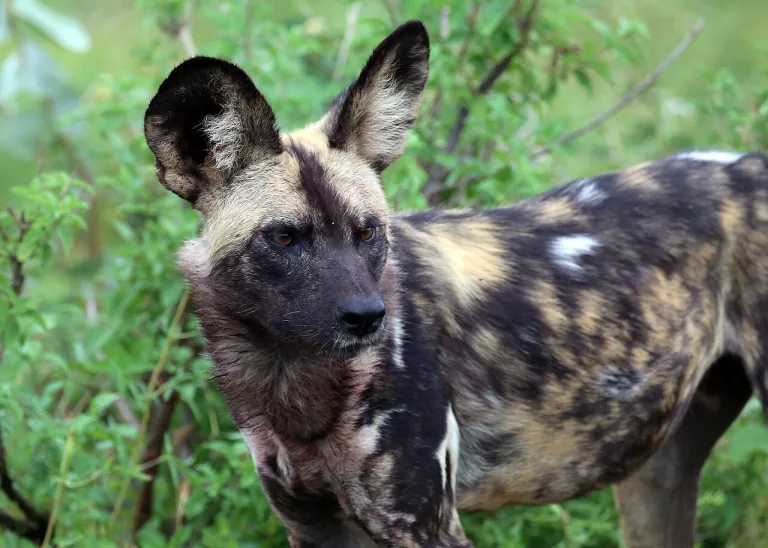
Madikwe Game Reserve/flowcomm/Wikimedia Commons
Grasslands favour speed and spectacle, wetlands reward patience, forests conceal elusive primates and deserts reveal remarkable adaptations to survival. Once you understand how ecosystems shape wildlife, planning a safari becomes less about ticking off famous parks and more about finding the experience that suits your interests.
Whether you dream of photographing predators in action, listening to dawn bird calls or trekking through misty forests in search of gorillas, the habitat determines what you’ll see and how you’ll experience it.
Savanna: The classic safari
If someone pictures an African safari, they are probably imagining the savanna.
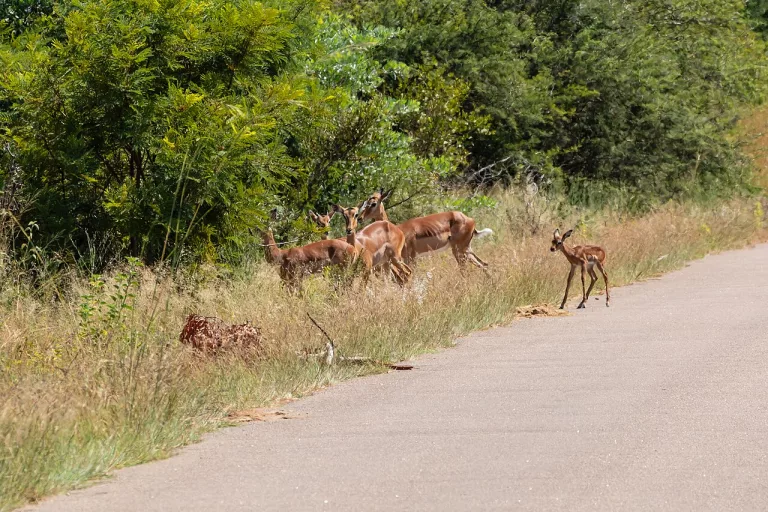
Characterised by rolling grasslands dotted with acacia trees, the savanna supports some of the continent’s richest concentrations of large mammals. Open spaces allow grazers such as zebra, wildebeest, buffalo and antelope to thrive, while predators have evolved to hunt in these expansive landscapes. South Africa’s Kruger National Park and Madikwe Game Reserve are outstanding examples. Here, visitors have an excellent chance of spotting the Big Five, often in a single day during favourable conditions. The openness of the terrain also makes wildlife easier to locate. Lions can be seen resting beneath trees, elephants crossing roads and giraffes browsing high above the shrubs, all without dense vegetation obscuring the view. For first-time safari travellers, the savanna often offers the most rewarding introduction because wildlife sightings tend to be frequent and varied.
Why predators thrive here
Open grasslands create ideal hunting grounds. Lions use patches of taller grass for cover before launching short bursts of speed, while cheetahs rely on unobstructed terrain to chase prey. Wild dogs benefit from visibility during their coordinated pack hunts.
Wetlands: Life revolves around water
Water changes everything.
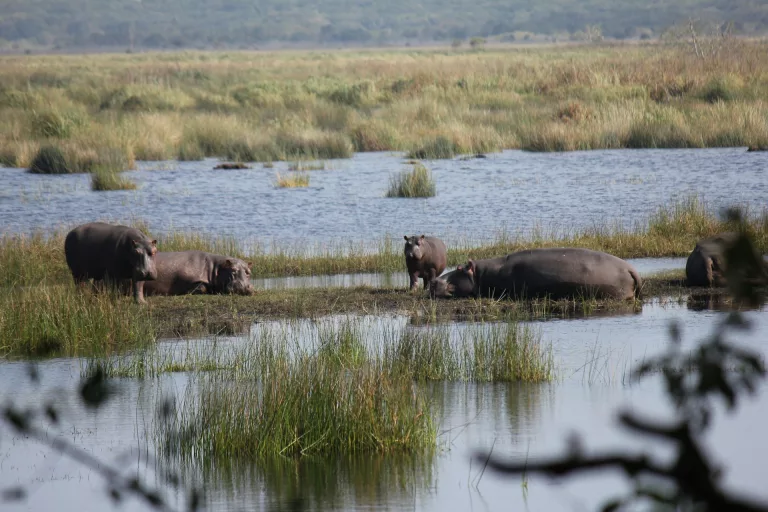
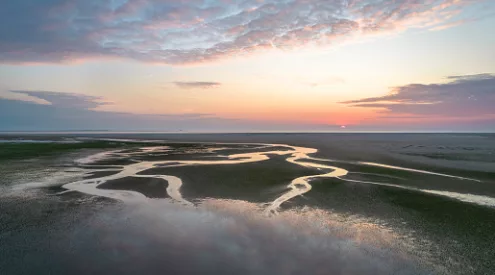
iSimangaliso Wetland Park/Martie Bloem/Unsplash
Wetland ecosystems support extraordinary biodiversity because they provide food, breeding grounds and permanent drinking sources throughout the year. Seasonal floods create constantly changing habitats that attract fish, reptiles, mammals and thousands of birds. Botswana’s Okavango Delta is one of Africa’s greatest natural wonders. Instead of flowing to the sea, its rivers spread across the Kalahari Desert, creating a maze of channels, lagoons and islands. Exploring by mokoro offers a peaceful safari unlike any traditional game drive. Further south, South Africa’s iSimangaliso Wetland Park combines lakes, estuaries, coastal forests and beaches into one UNESCO World Heritage Site. Hippos, crocodiles and an impressive variety of birdlife share this remarkable landscape. Wetlands appeal particularly to birdwatchers. Kingfishers, herons, jacanas, fish eagles and countless migratory species can often be observed within a relatively small area.
Why birds love wetlands
Reliable water means reliable food. Fish, frogs, insects and aquatic plants support resident birds throughout the year, while migratory species arrive seasonally to take advantage of abundant feeding opportunities.
ALSO READ:
Desert: Survival against the odds
At first glance, deserts appear empty.
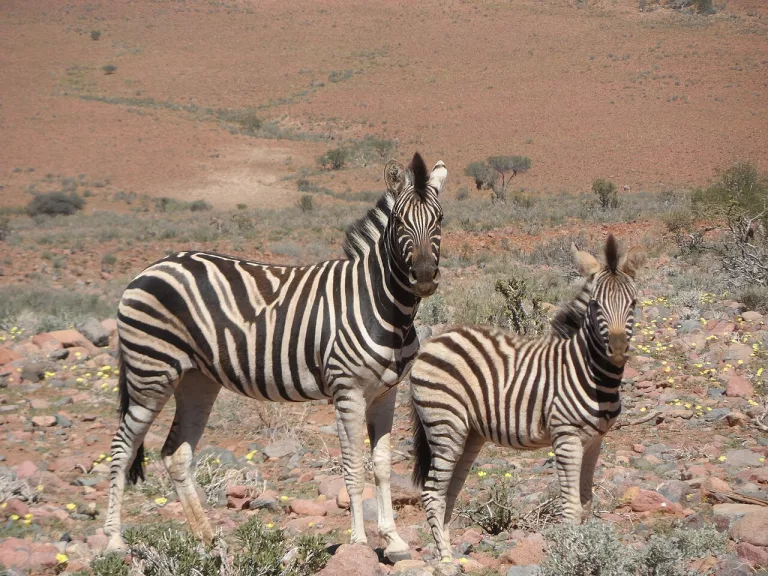
NamibRand Nature Reserve/Pemba.mpimaji/Wikimedia Commons
Look closer and they reveal some of Africa’s most fascinating wildlife adaptations. Animals living in arid environments have evolved remarkable strategies for conserving water, avoiding heat and travelling vast distances. Namibia’s NamibRand Nature Reserve showcases sweeping dunes, gravel plains and dramatic mountain scenery. Desert-adapted oryx, springbok, ostriches and smaller nocturnal mammals have mastered life in these harsh conditions. Further south, the Kgalagadi Transfrontier Park, shared by South Africa and Botswana, is famous for its black-maned lions, cheetahs and impressive raptors. Sparse vegetation makes wildlife surprisingly easy to spot despite lower animal densities. Desert safaris emphasise quality over quantity. Every sighting feels hard-earned, making each encounter especially memorable.
Mountains: Wildlife above the clouds
Mountain ecosystems present an entirely different safari experience.
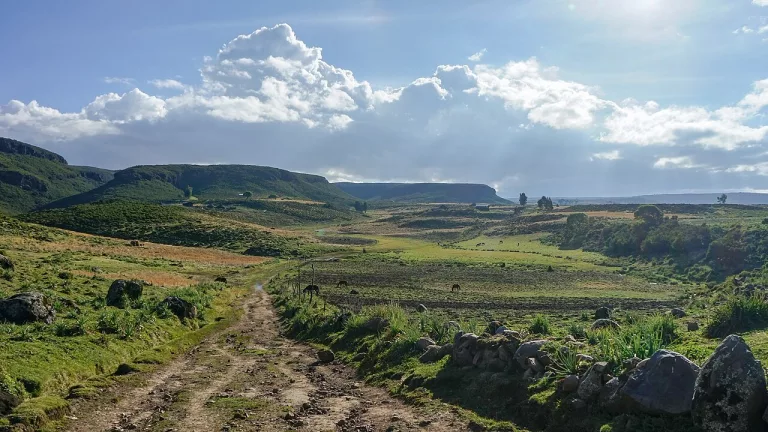
Bale Mountains National Park/Nina R/Wikimedia Commons
Cooler temperatures, steep slopes and isolated habitats support species found nowhere else. Wildlife viewing often involves hiking rather than driving, rewarding travellers with dramatic scenery alongside unique animals. Ethiopia’s Bale Mountains National Park protects the world’s largest population of Ethiopian wolves, one of Africa’s rarest carnivores. The park is also home to endemic birds and high-altitude antelope. Nearby, the Simien Mountains National Park is famous for gelada monkeys, whose large troops graze across alpine grasslands, as well as the endangered Walia ibex. Mountain safaris combine wildlife, hiking and breathtaking landscapes into one unforgettable adventure.
Forest: Africa’s hidden wilderness
Dense forests create some of Africa’s most mysterious safari experiences.
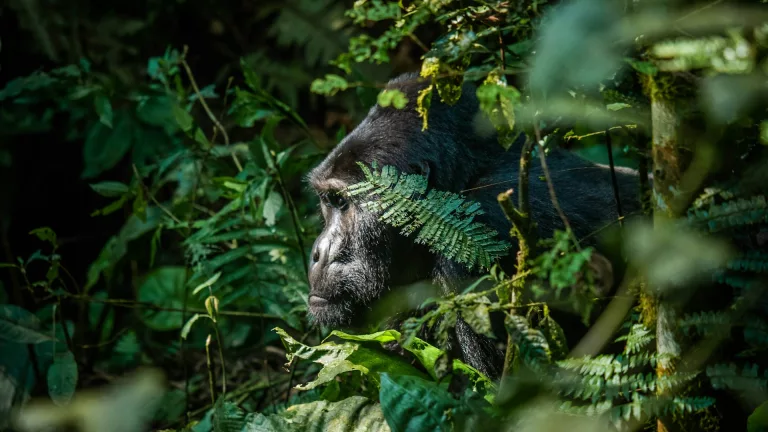
Bwindi Impenetrable Forest/2H Media/Unsplash
Limited visibility means patience becomes essential, but the rewards are extraordinary. Ancient trees shelter rare primates, colourful birds and countless insects that rarely venture into open habitats. Rwanda’s Nyungwe National Park protects one of Africa’s oldest rainforests. Chimpanzees, colobus monkeys and more than 300 bird species inhabit its dense canopy. Uganda’s Bwindi Impenetrable Forest offers one of the world’s most sought-after wildlife encounters: mountain gorilla trekking. Instead of scanning distant horizons, visitors quietly follow experienced guides through thick vegetation until they reach a habituated gorilla family.
ALSO READ:
Floodplains: Nature follows the seasons
Floodplains transform dramatically throughout the year.
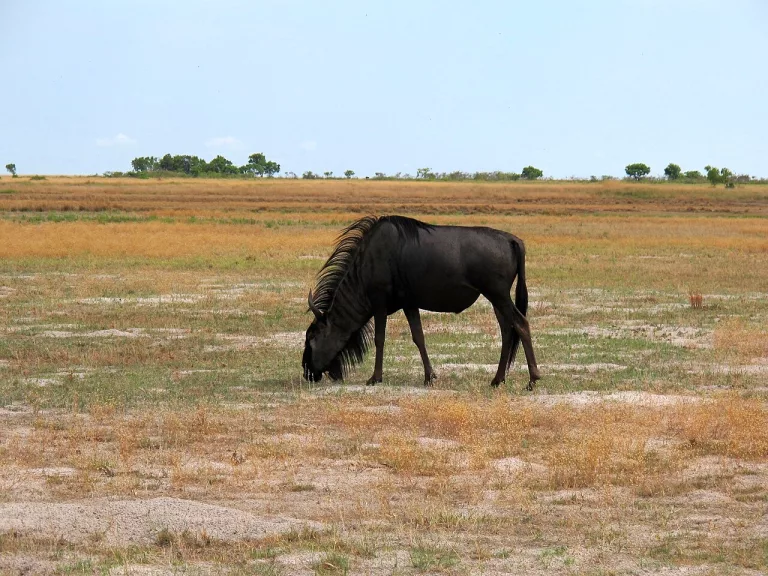
Liuwa Plain National Park/S1m0nB3rry/Wikimedia Commons
Seasonal rains flood vast grasslands before slowly receding, creating nutrient-rich grazing areas that attract huge concentrations of herbivores and the predators that follow them. Zambia’s Liuwa Plain National Park hosts one of Africa’s lesser-known wildebeest migrations, while the Busanga Plains in northern Kafue National Park become a wildlife hotspot during the dry season as animals congregate around remaining water sources. Timing is everything here. Visiting during different seasons can produce completely different safari experiences.
How rainfall changes wildlife viewing
Rainfall determines where animals find food and water. During wet seasons, wildlife spreads across the landscape as temporary pools appear everywhere. In the dry season, animals gather around permanent rivers and waterholes, making sightings easier and often more dramatic.
The same reserve can therefore offer completely different experiences depending on when you visit.
Which safari ecosystem suits you?
First-time safari visitors: Savanna ecosystems such as Kruger National Park and Madikwe offer excellent chances of seeing iconic African wildlife.
Wildlife photographers: Floodplains and savannas provide dramatic predator action and beautiful golden-hour landscapes.
Birdwatchers: Wetlands like the Okavango Delta and iSimangaliso Wetland Park deliver exceptional bird diversity throughout much of the year.
Adventure travellers: Mountain and forest ecosystems reward active exploration through hiking and trekking.
Repeat safari-goers: Desert ecosystems reveal a quieter, more specialised side of Africa, where unique adaptations become the highlight rather than sheer numbers of animals.
Follow us on social media for more travel news, inspiration, and guides. You can also tag us to be featured.
Instagram | Facebook | Twitter | Spotify
ALSO READ:



.jpg)
,_Impalas_--_2024_--_0436.jpg)

.jpg)
