




When the sun sets, the African bush simply shifts. Elephants, giraffes and antelope give way to a different cast of creatures, from wide-eyed bushbabies and elegant genets to porcupines, aardwolves and owls.
A night drive offers a glimpse into this hidden world, where movement, calls and tracks become as important as what you see. Here are some of the nocturnal animals worth looking out for – and where to find them.
Aardwolves are termite specialists
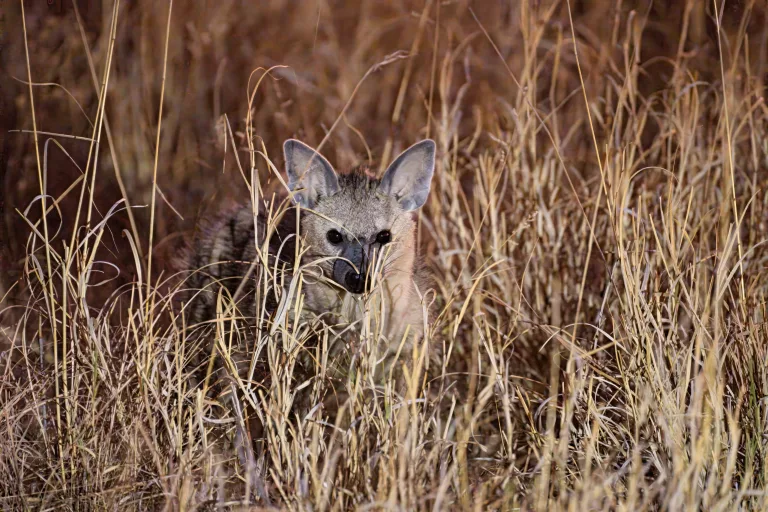
Image of aardwolf after sunset used for illustrative purposes/Eric Kilby from Somerville, MA, USA/Wikimedia Commons
A small hyena with a very different diet
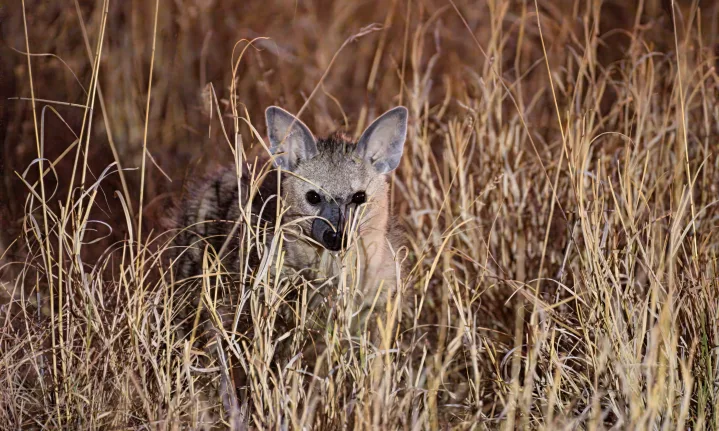
The aardwolf may look like a miniature hyena, but its lifestyle is considerably more specialised. Rather than chasing large prey, this elusive member of the hyena family feeds predominantly on termites.
It is largely nocturnal, making it one of the animals that can turn an ordinary night drive into a memorable one. Its slender build and striped coat can make it surprisingly difficult to spot against the grassland.
Where to look: Addo Elephant National Park is one of the places where visitors can potentially encounter aardwolves after dark. SANParks specifically lists aardwolf among the nocturnal animals to look for around its Spekboom Hide.
Aardvarks emerge after dark
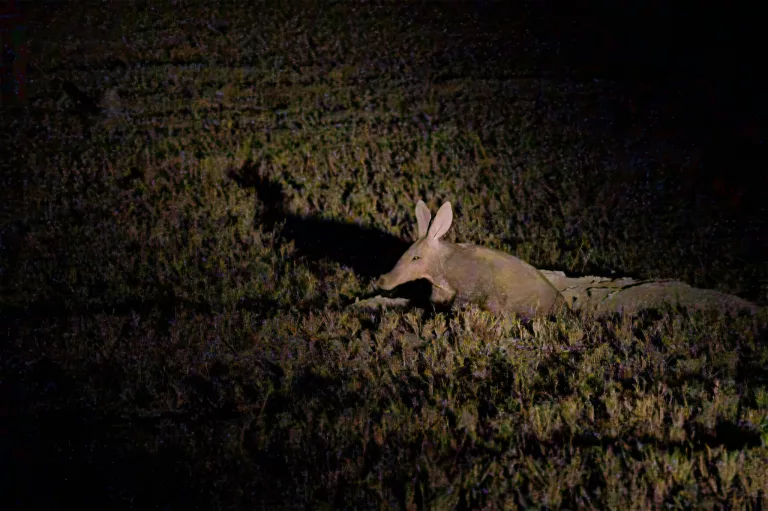
One of Africa’s strangest mammals
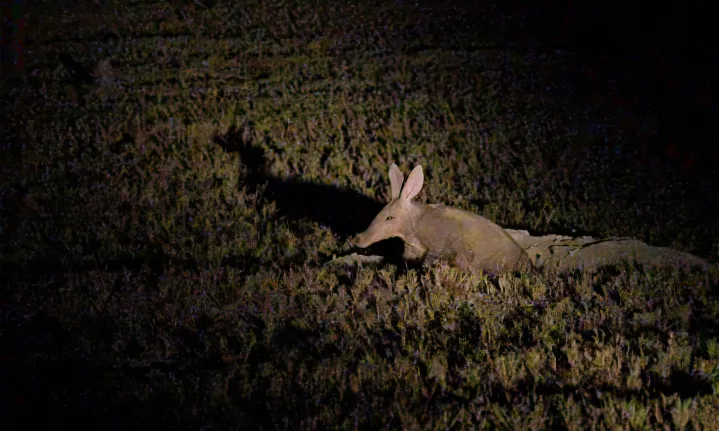
Few animals embody the mystery of the night shift quite like the aardvark. With its long ears, powerful claws, elongated snout and thick tail, it looks as though several different animals have been combined into one.
Aardvarks spend daylight hours in underground burrows and generally emerge after dark to forage for ants and termites. Because they are solitary and elusive, spotting one is never guaranteed, but that uncertainty is part of the appeal.
Where to look: Addo is one option, with aardvark listed among the nocturnal species that can be seen around the park’s Spekboom Hide.
For a more specialist safari experience, the Kalahari is another region worth considering, particularly private reserves where guides can devote time to tracking elusive nocturnal species.
Porcupines take over the roads
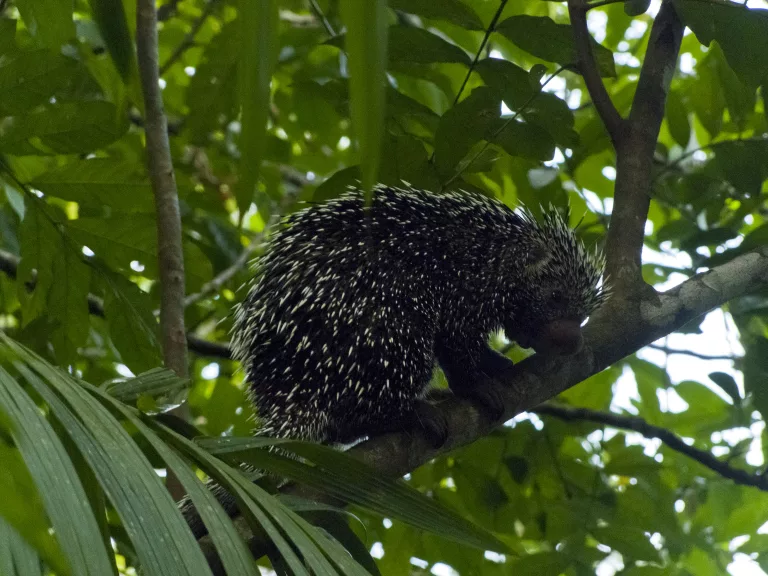
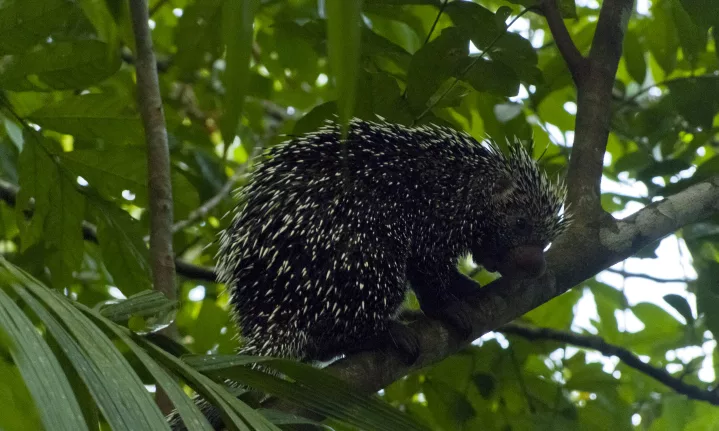
Porcupine image used for illustrative purposes/Jonathan Wilkins/Wikimedia Commons
Don’t mistake those quills for a small bush
The Cape porcupine is one of the largest rodents in Southern Africa and is unmistakable once your spotlight catches its impressive quills.
These animals rest during the day and forage at night, often moving surprisingly purposefully through the darkness. Their diet can include roots, bulbs, bark and other plant material, and they may travel considerable distances while searching for food.
Where to look: Porcupines occur widely across Southern Africa, including the Western Cape. SANBI confirms that Cape porcupines are nocturnal, resting in burrows during the day and foraging at night.
This makes them an especially good example of how the wildlife experience changes after sunset – an animal that may be virtually invisible during a daytime outing can suddenly become the star of the show.
Genets are the bush’s acrobats
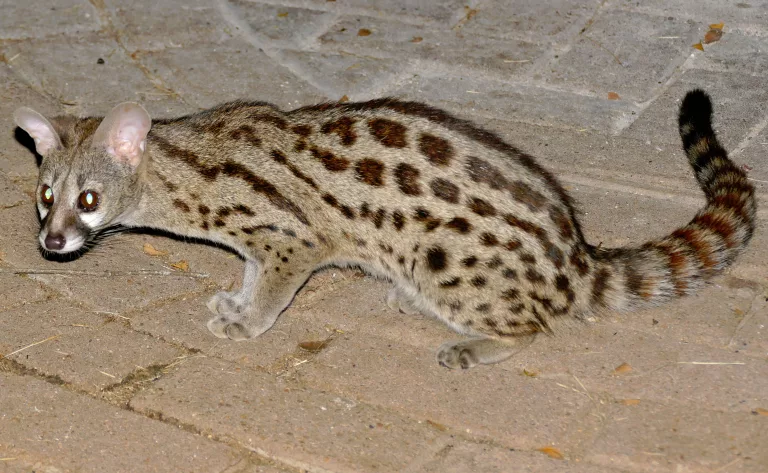
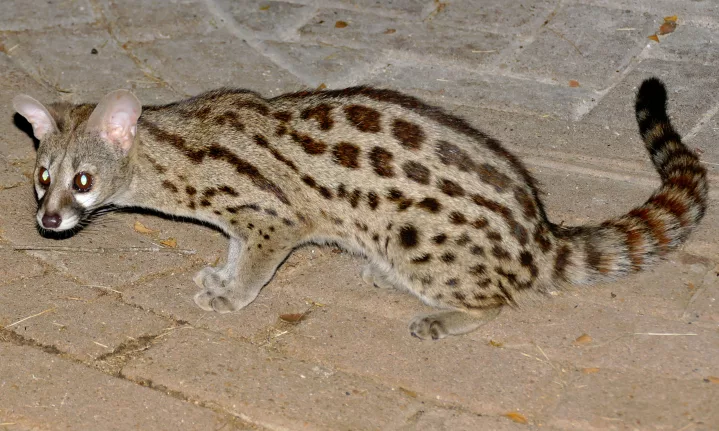
Large-spotted Genet in Kruger/Bernard Dupont from FRANCE/Wikimedia Commons
Look for a spotted shape in the darkness
Genets are easily mistaken for cats at first glance, thanks to their sleek bodies, long tails and spotted coats. They are, however, members of the viverrid family and are closely associated with nocturnal activity.
They are agile climbers and opportunistic predators, feeding on insects, rodents, birds, reptiles and other small prey. Their reflective eyes can give away their presence when a spotlight sweeps through the vegetation.
Where to look: Kruger National Park is a particularly good destination for nocturnal wildlife, with SANParks offering dedicated night drives designed to find animals that are active after dark.
Civets are masters of the after-dark safari
View this post on Instagram
A secretive animal worth waiting for
The African civet is another animal that is far easier to associate with the night than the day. Its stocky body, distinctive markings and long tail make it an unusual sighting, particularly for first-time safari-goers.
Civets are omnivorous and opportunistic, eating fruit, insects and small animals. They move quietly through the bush and can disappear almost as quickly as they appeared.
Where to look: The private reserves around the Greater Kruger region can be particularly rewarding for travellers interested in nocturnal wildlife, while Kruger’s official night drives provide a dedicated opportunity to search for secretive night-active species.
ALSO READ:
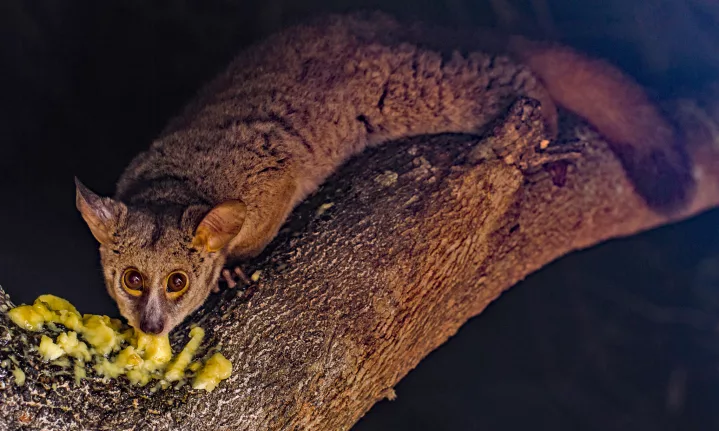
Bushbabies (Galagos) turn the trees into a theatre
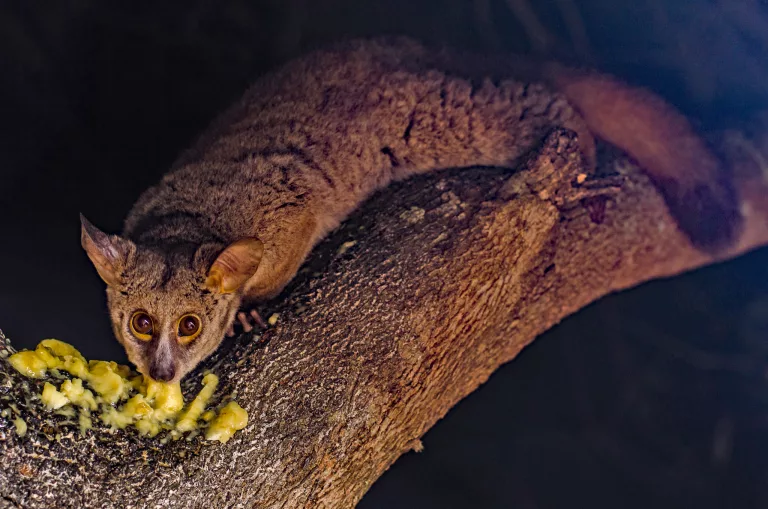
Image of bushbaby used for illustrative purposes/Jacobmacmillan/Wikimedia Commons
Listen before you look
One of the easiest ways to know that the night shift has started is to listen.
Bushbabies are small nocturnal primates with enormous eyes, powerful hind legs and an extraordinary ability to leap between branches. Their distinctive calls can carry through the darkness, sometimes sounding surprisingly like a crying baby.
The thick-tailed bushbaby is found in woodland and savanna habitats across parts of southern Africa. At dusk, individuals disperse to forage, becoming active among trees and fruiting plants.
Where to look: Kruger and private reserves in South Africa’s Lowveld are good places to listen for and search for bushbabies on night drives.
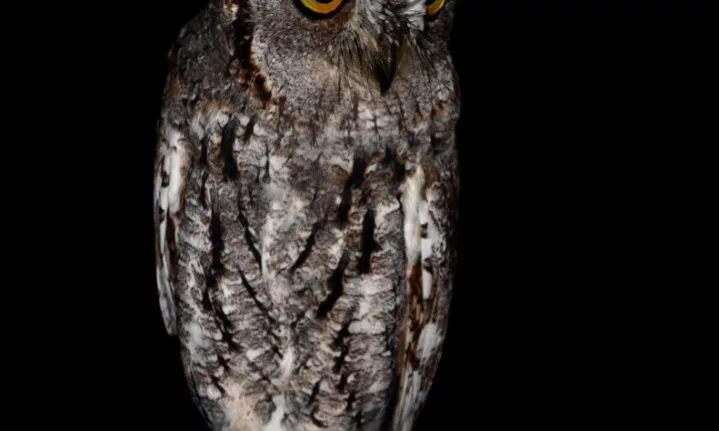
Owls rule the treetops
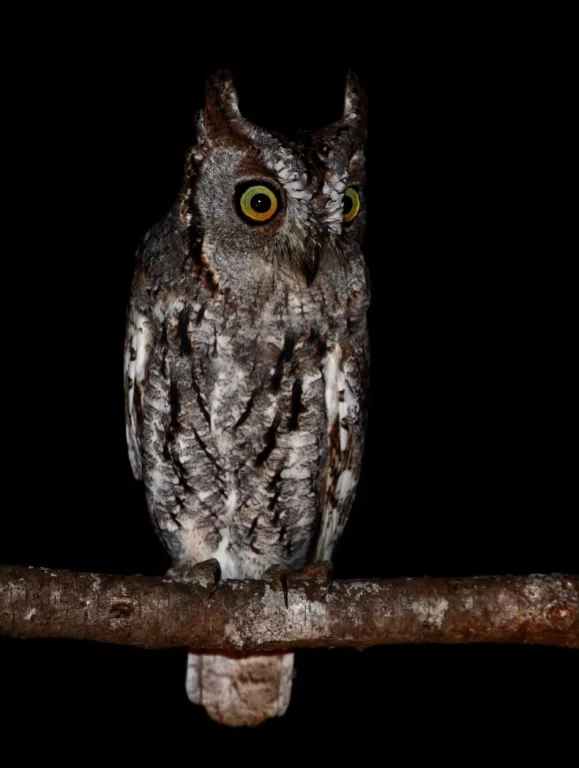
African Scops Owl near Zebra Hills Lodge, KwaZulu-Natal/Alandmanson/Wikimedia Commons
Keep your eyes on the branches
Not everything on the night shift has four legs.
Africa’s nocturnal birds add another layer to the safari experience, from small owls hidden among branches to much larger eagle-owls scanning the darkness for prey.
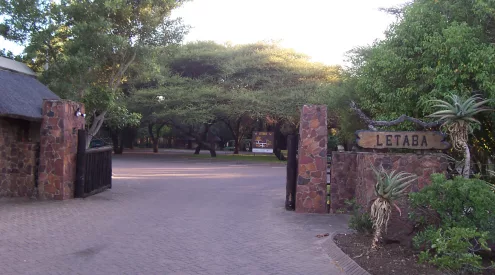
Kruger is particularly rewarding for night birding. SANParks lists species including the African Scops-Owl, Pearl-spotted Owlet, African Barred Owlet and Verreaux’s Eagle-Owl in different areas of the park. Letaba, for example, is noted for several owl species, while night drives around Orpen can produce owls and nightjars.
Where to look: Kruger is a strong choice for anyone who wants to combine a night drive with nocturnal birding. Rather than simply looking for eye-shine along the road, listen for calls and ask your guide to scan large trees.
Caracals and other small predators become active
The smaller hunters deserve attention too
A night drive is not only about rare animals. Some of Africa’s more familiar predators can become easier to find once temperatures fall.
Caracals, for example, are largely nocturnal and are particularly adapted to hunting smaller prey. Their tufted ears and compact, muscular bodies make them one of the most distinctive cats to encounter after dark.
Bat-eared foxes, black-backed jackals and other small predators may also be active at night. At Addo, SANParks lists caracal, bat-eared fox and black-backed jackal among the animals visitors may encounter after dark.
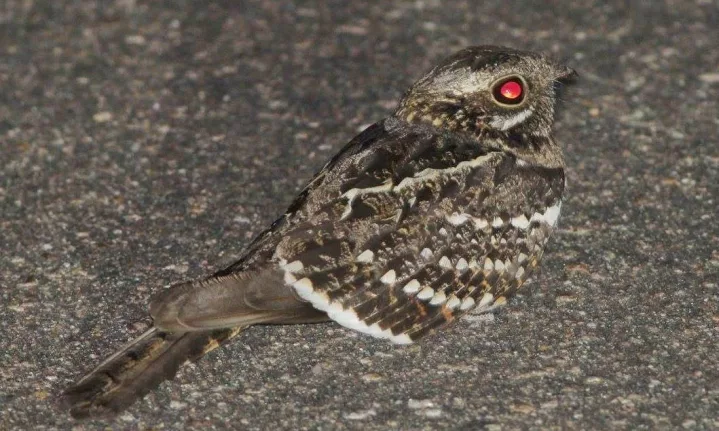
Nightjars bring another sound to the bush
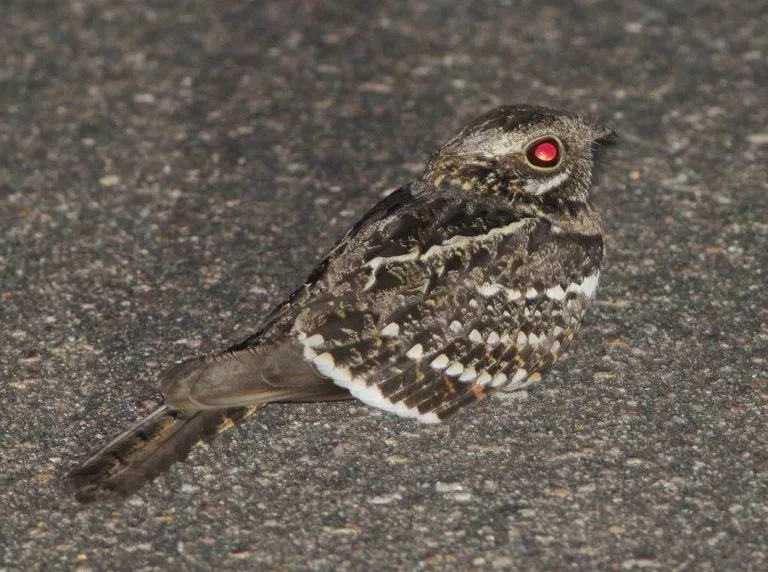
Square-tailed nightjar at Pretoriuskop in the Kruger National Park/Maans Booysen, Birding Weto/Wikimedia Commons
Look low, listen carefully
Nightjars are among the most fascinating birds to encounter on a night drive because they can be remarkably difficult to see.
Their camouflage allows them to blend into the ground and vegetation during the day, while they become active around dusk and through the night, feeding on insects.
Kruger’s birding information highlights several nightjar species associated with night drives and dusk activity, including the Fiery-necked, Square-tailed Nightjar in different areas.
At Addo, the Fiery-necked Nightjar is specifically listed among the common night birds to look for.
Where to experience Africa after dark
Kruger National Park
Kruger is one of the easiest places to add a nocturnal wildlife experience to a South African safari.
SANParks runs sunset and night drives from selected camps. Sunset drives follow the transition from daylight into darkness, while dedicated night drives are designed specifically to find nocturnal creatures and their secretive activities.
The park also has excellent opportunities for nocturnal birding. At Letaba, for instance, several owl species can be heard and seen around camp, while other areas are known for nightjars and eagle-owls.
Addo Elephant National Park
Addo offers an interesting alternative to the Lowveld, particularly for travellers who want to experience nocturnal wildlife without focusing solely on the Big Five.
SANParks lists aardvark, aardwolf, porcupine, small-spotted genet, striped polecat, springhare and small-spotted cat among the nocturnal species to look for. Lions, leopards, hyenas, caracals and bat-eared foxes may also be active after dark.
One of the most atmospheric ways to experience this is by spending the night at the Spekboom Hide, where guests can watch the nearby waterhole after sunset. Visitors staying there must remain within the fenced hide between sunset and sunrise, turning the experience into something closer to sleeping beside a wildlife theatre than a conventional safari.
Augrabies Falls National Park
The Northern Cape’s arid landscapes take on a completely different character at night.
SANParks notes that nocturnal activity is particularly abundant during the warmer months, when animals take advantage of cooler nighttime temperatures to move and feed. Night drives can produce African wild cats, bat-eared foxes, aardwolves and small-spotted genets, among others.
The contrast between the harsh daytime landscape and its surprisingly busy nighttime wildlife makes Augrabies an intriguing choice for travellers looking beyond the country’s better-known safari destinations.
The Greater Kruger reserves
Private reserves adjoining Kruger can offer another route into the nocturnal bush, particularly for travellers interested in specialist guiding and smaller, more flexible safari experiences.
Here, the emphasis can shift from simply finding a lion or leopard to tracking smaller and more elusive animals. A guide who knows the calls, tracks and habitats of nocturnal species can make the difference between driving past a dark patch of bush and realising there is a genet, bushbaby or owl hidden inside it.
How to make the most of a night safari
Expect fewer sightings, but more surprises
Night drives are not simply daytime game drives with the lights switched on.
Visibility is limited, animals can be harder to identify, and sightings may be brief. The reward is that the experience becomes much more sensory. You may hear an owl before seeing it, notice the rustle of grass before an animal crosses the road or spot only a pair of reflective eyes before the creature disappears.
Keep warm, especially during winter, and follow your guide’s instructions about lighting and wildlife encounters. At Spekboom Hide, for example, SANParks specifically advises visitors not to shine lights directly into animals’ eyes.
Most importantly, resist the temptation to judge a night drive by how many animals you see. The point is to experience a different side of the ecosystem.
The bush has a second life after sunset
Safari tends to be associated with golden-hour elephants, lions resting beneath trees and herds crossing open plains. But once the sun disappears, another world begins.
Porcupines start foraging. Bushbabies leap through branches. Genets move quietly through the grass. Owls begin hunting from the trees, while aardwolves and aardvarks emerge to search for food.
The next time you find yourself on safari as darkness falls, don’t think of the day as being over. The bush is simply handing over to its night shift.
Follow us on social media for more travel news, inspiration, and guides. You can also tag us to be featured.
Instagram | Facebook | Twitter | Spotify
ALSO READ:







_(17356502041)_(crop).jpg)


