






There is something quietly unsettling about losing a direct flight. It is not just about time or cost. It is about how a journey feels. And right now, travellers planning trips through southern Africa are starting to feel that shift.
Source: Travel News
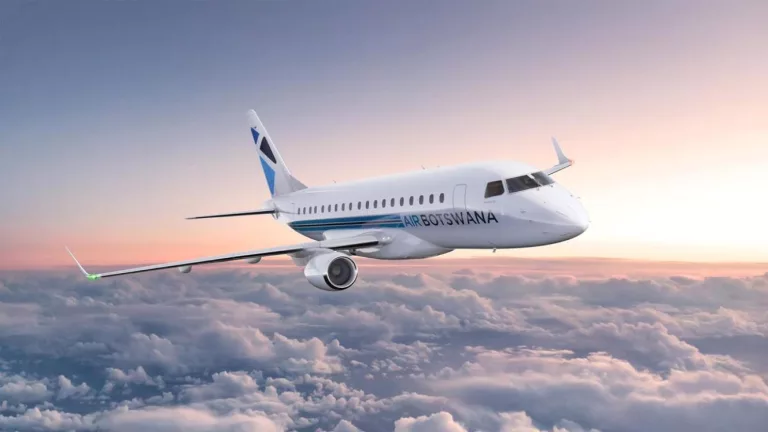
According to travelnews.africa, Botswana’s national carrier has pulled the plug on three regional routes after losses climbed to around P44.5 million. The decision affects flights between Gaborone and Durban, Gaborone and Windhoek, and the much-loved Maun to Cape Town connection.
All three routes were only introduced in late 2024, part of a hopeful push to strengthen regional links and bring more visitors into Botswana. But low passenger demand paired with high operating costs has forced a rethink.
The route that mattered most to travellers
For many in the travel space, the Maun to Cape Town route was the standout. It offered a rare, seamless link between the Okavango Delta and one of Africa’s most iconic cities.
For international visitors, that meant going from safari to city in a single hop. No backtracking. No long layovers. Just a clean, efficient itinerary.
Now, that ease disappears. Travellers will have to route through hubs like Johannesburg, adding hours and, in some cases, an overnight stop. For luxury safari travellers especially, that shift changes the tone of the experience.
A ripple effect across the region
The impact goes beyond one route. The Gaborone to Windhoek connection had quietly supported a growing trend: multi-country southern African trips.
Botswana and Namibia offer very different but complementary experiences. Think desert landscapes meeting wetlands, self-drive adventures paired with guided safaris. Without that direct link, stitching together those journeys becomes more complicated.
Even the Gaborone to Durban route, while smaller in scale, offered an alternative to funnelling everything through Johannesburg. Its absence tightens travel options even further.
Travellers may feel it in their wallets
One of the less obvious impacts is cost. With fewer direct routes, travellers may face price increases of anywhere between twenty and fifty percent, depending on how complex their itinerary becomes.
More connections usually mean more tickets, longer travel times, and less flexibility. For some, that could shift Botswana from a “must-do” to a “maybe later” destination.
Social chatter and industry concern
Online, reactions have been mixed. Travel agents and safari planners have voiced concern about how these changes could affect bookings, especially heading into peak safari seasons. Some travellers, particularly repeat visitors, are already reworking itineraries or exploring alternative routes.
At the same time, there is a sense of realism. Smaller African carriers have long struggled to balance expansion with financial sustainability. Many in the industry see this as a necessary correction, even if it is a frustrating one.
Botswana is still open, just different
Despite the disruption, Botswana is far from off the map. Johannesburg remains the main gateway, with strong connections into Maun and Kasane. Other regional airlines continue to serve key routes across southern Africa.
Air Botswana itself is still operating domestic services and a limited regional network. So while the map has changed, it has not disappeared.
A reminder of how fragile connectivity can be
If anything, this moment highlights how dependent tourism is on air access. Botswana’s appeal, from the Okavango Delta to its national parks, remains as strong as ever. But getting there has become a little more complex.
For travellers, it means planning ahead, staying flexible, and sometimes embracing a slightly longer journey. For the industry, it is a reminder to diversify routes and partnerships.
And for now, for anyone dreaming of that seamless hop from safari to city, it is back to the drawing board.
Source: travelnews.africa
Follow us on social media for more travel news, inspiration, and guides. You can also tag us to be featured.
TikTok | Instagram | Facebook
ALSO READ:
South Africans scramble for Europe flights as seats disappear