




For many South Africans, a cruise still feels like one of the last “all-in” holidays. You board, unpack once, and let the ocean do the rest. But behind the scenes, the maths of making those floating cities run is shifting, and fuel is at the centre of it.
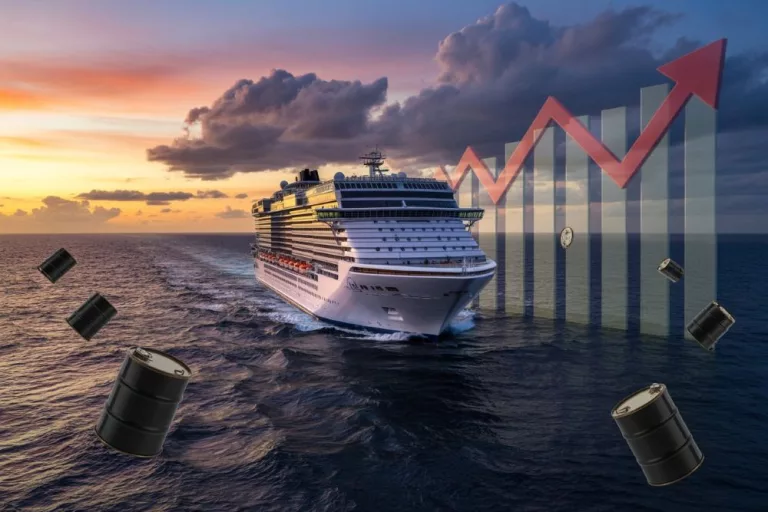
Source: Travel And Tour World
According to eTNW, as global fuel prices climb, cruise lines are quietly recalibrating how they operate. Not in ways most passengers will notice immediately, but enough to ripple through pricing, routes, and long-term travel plans.
Why fuel matters more than you think
Running a cruise ship is nothing like fuelling a car or even an aircraft. These vessels burn massive amounts of fuel daily, powering everything from propulsion to air conditioning, restaurants, pools, and entertainment.
That means even a small increase in fuel prices can translate into millions in additional costs over time. And while airlines often react quickly with visible surcharges, cruise lines tend to play a longer game.
Industry insiders say the cruise sector is built for this kind of volatility. Long-term planning, flexible itineraries, and dynamic pricing models allow operators to absorb short-term shocks without immediately passing costs on to travellers.
The quiet shift in cruise pricing
If you have been browsing cruise deals lately and wondering why some look like bargains while others spike overnight, you are not imagining it.
Cruise fares are not fixed in the same way many travellers assume. Prices move depending on demand, capacity, and timing. Promotions might appear on certain sailings, while others sell out at higher rates with no discounts at all.
With fuel costs in the mix, these adjustments are becoming more strategic. Instead of adding obvious fees, cruise lines are more likely to tweak pricing gradually. It is subtle, but over time, it shapes what travellers pay.
Slower ships, smarter routes
One of the more interesting behind-the-scenes changes is how ships actually move.
To manage fuel consumption, cruise lines may reduce sailing speeds or adjust routes to be more efficient. That could mean slightly longer travel times between destinations or itineraries that prioritise ports closer together.
For travellers, the experience still feels seamless. But the logistics have been carefully optimised to balance cost, comfort, and demand.
Will fuel surcharges make a comeback?
Unlike airlines, cruise lines rarely add fuel surcharges after booking. While most have clauses allowing them to do so if oil prices spike dramatically, it is considered a last resort.
The reason is simple. Surprise fees can damage trust and reduce bookings. In a competitive market where experience matters as much as price, cruise companies are cautious about anything that might frustrate passengers.
For now, the industry preference is clear. Absorb where possible, adjust quietly where needed.
The hedging game behind the scenes
Some cruise companies are taking a more financial approach by locking in fuel prices ahead of time. This strategy, known as hedging, provides some protection against sudden spikes.
Major operators have already secured portions of their future fuel needs, particularly looking ahead to 2026. Others have chosen not to hedge, arguing that over time it does not necessarily deliver consistent benefits.
Instead, they focus on efficiency. One major cruise brand has reduced fuel consumption significantly over the past decade, even while expanding its fleet capacity.
It is a reminder that innovation, not just pricing, is shaping the future of cruise travel.
What this means for South African travellers
For Joburg travellers dreaming of sailing out of Durban or flying overseas for a Mediterranean cruise, the impact is likely to be gradual rather than dramatic.
You might notice fewer ultra-cheap deals during peak periods or more variation in pricing depending on when you book. Routes may shift slightly, and itineraries could feel more curated around efficiency.
But the core appeal of cruising remains intact. Meals, entertainment, and accommodation bundled into one experience still offer strong value compared to many land-based holidays.
The bigger picture
Fuel costs are not just a cruise industry issue. They are part of a wider travel reality, influencing flight prices, package holidays, and even local road trips.
What makes cruising interesting is how quietly the sector is adapting. Instead of headline changes, the adjustments are happening beneath the surface, in pricing algorithms, route planning, and operational tweaks.
For travellers, it means one thing. The cruise experience is unlikely to disappear or suddenly become unaffordable. But like everything else in travel right now, it is becoming more dynamic, more strategic, and a little less predictable.
Source: eTNW
Follow us on social media for more travel news, inspiration, and guides. You can also tag us to be featured.
TikTok | Instagram | Facebook
ALSO READ:
US expands visa bond list as more African countries are added