


Every March, millions of people across the world switch off their lights for a single purpose: the planet. Known as Earth Hour, the global initiative has grown into one of the largest grassroots environmental movements in the world.

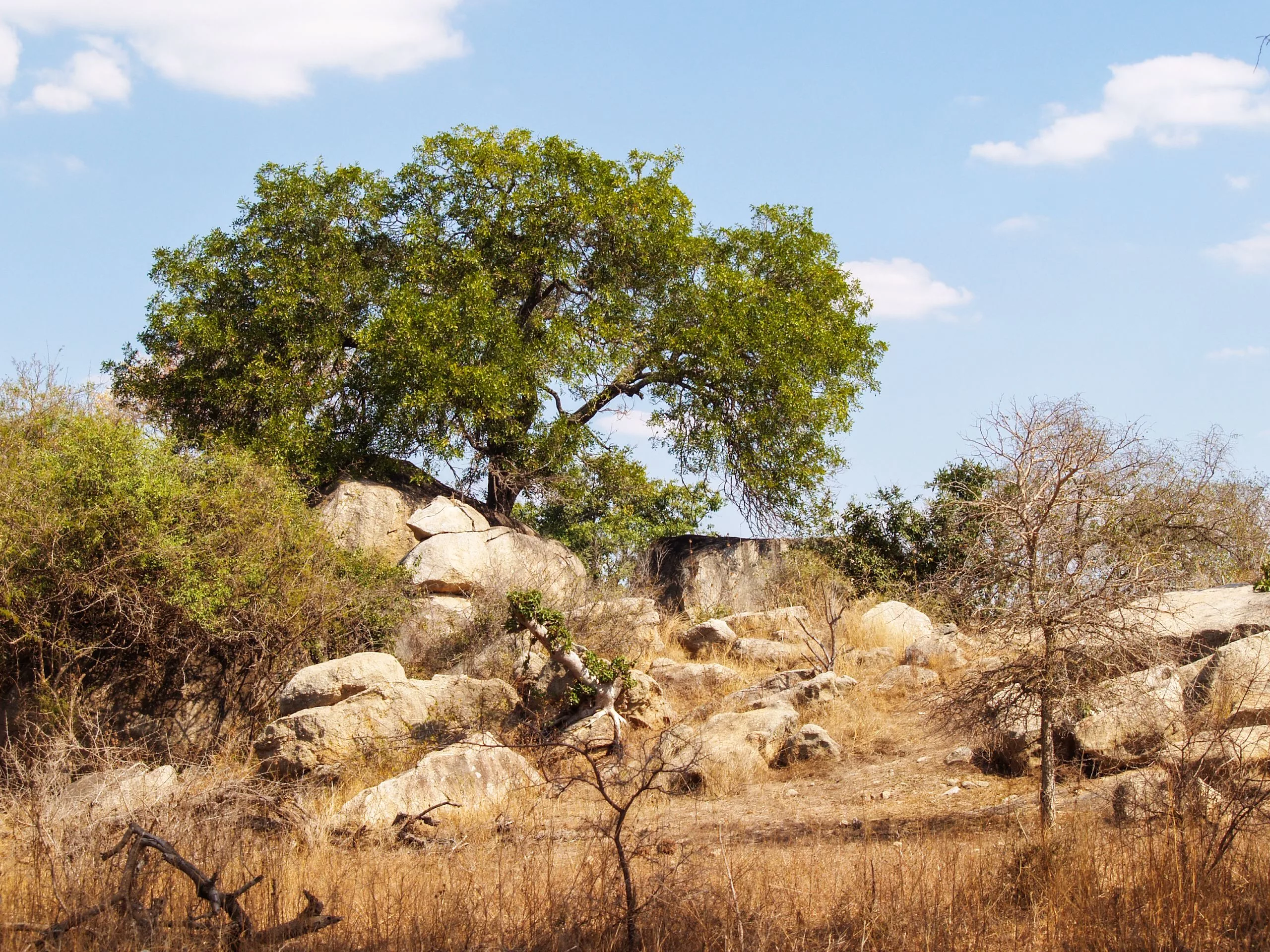
WWF South Africa/Unsplash
The campaign began in 2007 in Sydney as a symbolic lights-off moment to raise awareness about climate change. Nearly two decades later, the movement has spread across the globe. In 2025 alone, participants in 118 countries collectively dedicated more than three million hours to activities that support the environment.
In South Africa, this year’s Earth Hour will take on a different form. In partnership with WWF South Africa, the South African National Biodiversity Institute (SANBI) will host outdoor screenings of the animated film The Lorax, based on the beloved children’s story by Dr. Seuss. The screenings will take place in two of the country’s most iconic botanical gardens during March.
The first event will be held at Kirstenbosch National Botanical Garden in Cape Town on Saturday, 21 March. A week later, on Saturday, 28 March, the event moves to Walter Sisulu National Botanical Garden in Johannesburg.
Instead of pledges and sign-up campaigns, the focus is simple: gathering people outdoors to celebrate and reflect on the natural world. Guests will watch The Lorax beneath the evening sky, surrounded by the landscapes these conservation efforts aim to protect.
For Pedzi Gozo, Head of Strategic Communications at WWF South Africa, the intention behind this year’s events is to make environmental awareness both meaningful and accessible.
“We wanted to create something joyful and easy for people to join,” she explains. “An experience that reminds people why caring for nature matters. As The Lorax says, ‘Unless someone like you cares a whole awful lot, nothing is going to get better.’”
South Africa provides a powerful backdrop for the message behind Earth Hour. The country is recognised as one of only 17 megadiverse nations on the planet. It is home to more than 20 000 plant species and contains the Cape Floristic Region, the only floral kingdom located entirely within a single country.
According to Nontsikelelo Mpulo, Director of Marketing Communications and Commercialisation at SANBI, botanical gardens offer the perfect setting to reflect on this biodiversity.
“These gardens are living showcases of South Africa’s extraordinary plant life,” she says. “They allow people to experience our natural heritage first-hand while also reminding us of our shared responsibility to protect it.”
The events are designed to be relaxed and family-friendly. Visitors are encouraged to bring blankets and settle in for an evening outdoors while enjoying the film and surrounding scenery. Food and beverages will be available for purchase, and guests in Johannesburg can also visit an activity area hosted by the Pretoria Zoo Club.
Tickets are limited, and organisers expect both screenings to sell quickly.
Event Details
Cape Town
Date: Saturday, 21 March 2026
Venue: Kirstenbosch National Botanical Garden, Gate 2, Rhodes Drive, Newlands
Time: Gates open 5 pm | Film starts after 7 pm
Tickets: R100 (adults) | R50 (under 18)
Book: https://www.webticket.co.za/event.aspx?itemid=1589380719
Johannesburg
Date: Saturday, 28 March 2026
Venue: Walter Sisulu National Botanical Garden
Time: Gates open 4 pm | Film starts after 6 pm
Tickets: R100 (adults) | R50 (under 18)
Book: https://www.webticket.co.za/event.aspx?itemid=1589327230
Food and drinks will be available at both venues. Backrests can be hired on site.
For those unable to attend the screenings, Earth Hour can still be marked in simple ways. Spend time in a local green space. Plant something in your garden. Cook with ingredients you have grown yourself. Or simply switch off the lights and step outside for a while.
However it is spent, the hour is meant to reconnect people with the planet they share.
More information is available at: https://explore.wwf.org.za/earth-hour-2026
Follow us on social media for more travel news, inspiration, and guides. You can also tag us to be featured.
TikTok | Instagram | Facebook | Twitter
ALSO READ:
Karoo night skies spark a new wave of astrotourism in Carnarvon