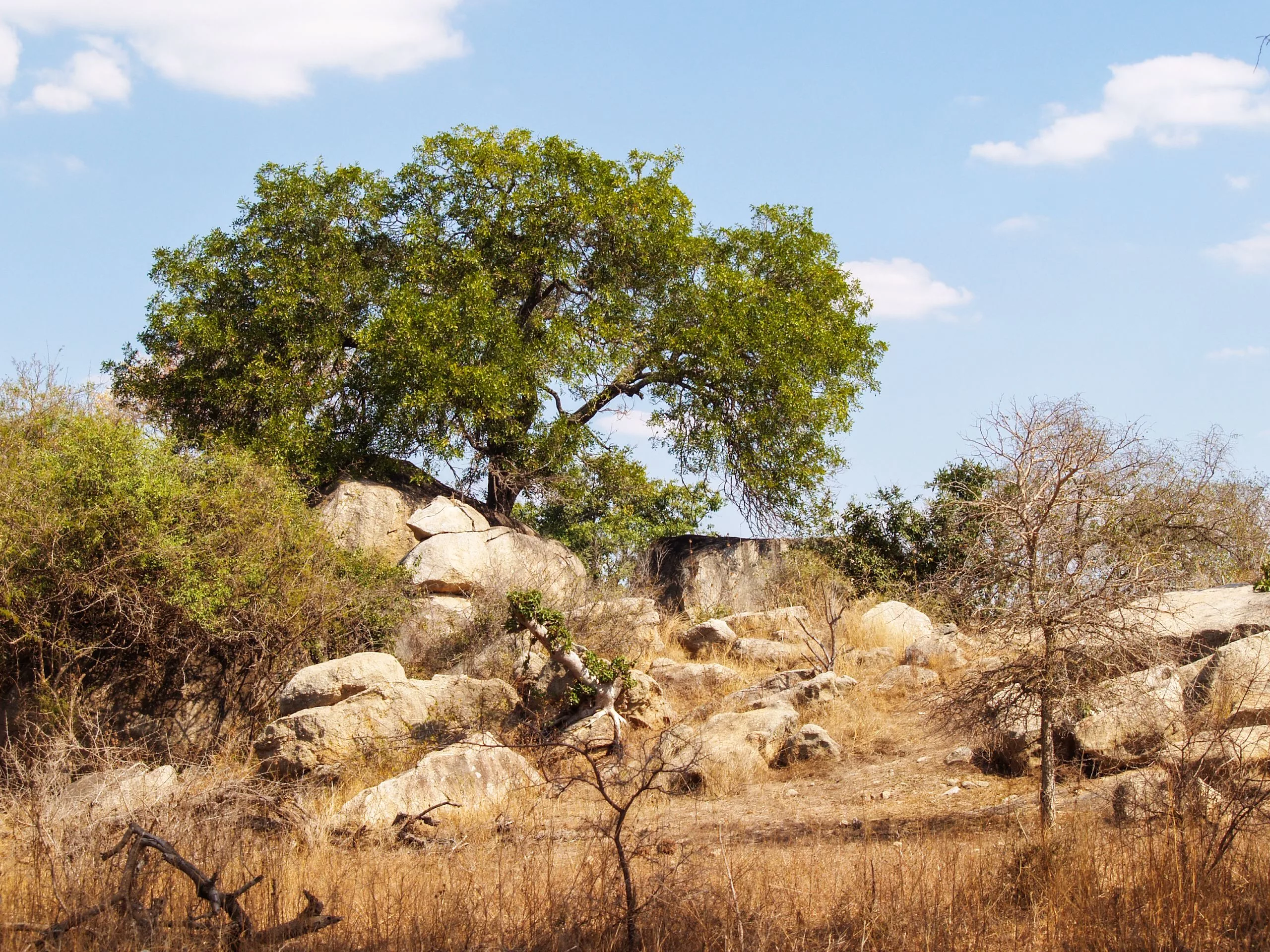




A dramatic set of images showing a leopard apparently wandering through the quiet streets of Pniel has been racing across social media feeds this week. But conservationists say the story behind them is far less exciting and far more concerning.

Source: West Coast Escape
According to Good Things Guy, the Cape Leopard Trust has stepped in to confirm that the viral pictures are not real at all. According to the organisation, the images were generated using artificial intelligence and do not show an actual leopard moving through the town.
Their message is simple: stop sharing them.
The truth behind the viral images
The two pictures circulating online claim to show a leopard roaming through the Western Cape village of Pniel. They have been widely shared, with some posts warning residents to stay alert and others marvelling at the supposed sighting.
The Cape Leopard Trust says the images are entirely fabricated.
However, there is a real piece of footage connected to the story. A genuine video clip showing a leopard on the slopes of nearby Simonsberg has also been circulating online. Conservationists believe that the video likely inspired someone to create the fake images that now appear to place the animal inside the village itself.
That small twist in the story has been enough to spark confusion and concern.
Why fake wildlife sightings can be dangerous
For conservation groups working to protect South Africa’s wildlife, misinformation is not just frustrating. It can have serious consequences.
The Cape Leopard Trust focuses on protecting leopards and the landscapes they depend on across the Western Cape. Much of their work involves helping communities coexist peacefully with wildlife through research, education, and conservation initiatives.
When people believe a predator is roaming their streets, fear can spread quickly. In extreme cases, communities reacting out of panic have historically responded to wildlife with traps, poison, or other harmful measures.
This is exactly what conservationists hope to avoid.
False information about leopard behaviour also creates the wrong impression about these animals, which are known for being elusive and generally avoiding people.
The growing problem of AI wildlife content
The incident highlights a broader issue that conservationists and scientists are increasingly dealing with. AI tools are making it easier than ever for convincing but completely fictional images to appear online.
A single dramatic post can travel across the internet in minutes, while corrections or clarifications often struggle to catch up.
In this case, the creator may not have intended any harm. It is possible someone simply saw the real Simonsberg video, imagined a more dramatic scenario, generated the images, and shared them without considering the consequences.
But once such content goes viral, it can quickly take on a life of its own.
A reminder to pause before sharing
For the Cape Leopard Trust, the message to the public is clear: think twice before reposting wildlife sightings online.
Social media has become one of the fastest ways for information to spread, but that speed comes with responsibility. A dramatic animal sighting might grab attention, yet sharing unverified images can unintentionally create fear and damage conservation efforts.
In the case of the Pniel leopard photos, the most helpful action people can take is simple. Do not share the fake images. Instead, share the clarification from conservation experts.
Because in the digital age, protecting wildlife sometimes starts with something as small as pausing before you hit the share button.
Source: Good Things Guy
Follow us on social media for more travel news, inspiration, and guides. You can also tag us to be featured.
TikTok | Instagram | Facebook
ALSO READ:
Africa’s hotel pipeline hits record high as East Africa leads construction