



Every safari destination has its moment in the calendar when the conditions feel just right. In Namibia’s famous Etosha National Park, that moment may quietly belong to April.

Source: Etosha National Park
According to travelnews.africa, while many travellers automatically plan their trips during the dry winter months, those who arrive at Etosha in April often discover a very different version of the park. The crowds have thinned, the land still carries the lush memory of the rainy season, and wildlife remains highly active as the landscape begins its slow transition into the drier months.
For travellers who want dramatic scenery, excellent wildlife sightings, and more breathing room at waterholes, April is starting to look like one of the smartest times to visit.
A greener side of Etosha
By the time April arrives, the rainy season is drawing to a close across northern Namibia. The difference in the park’s appearance is striking.
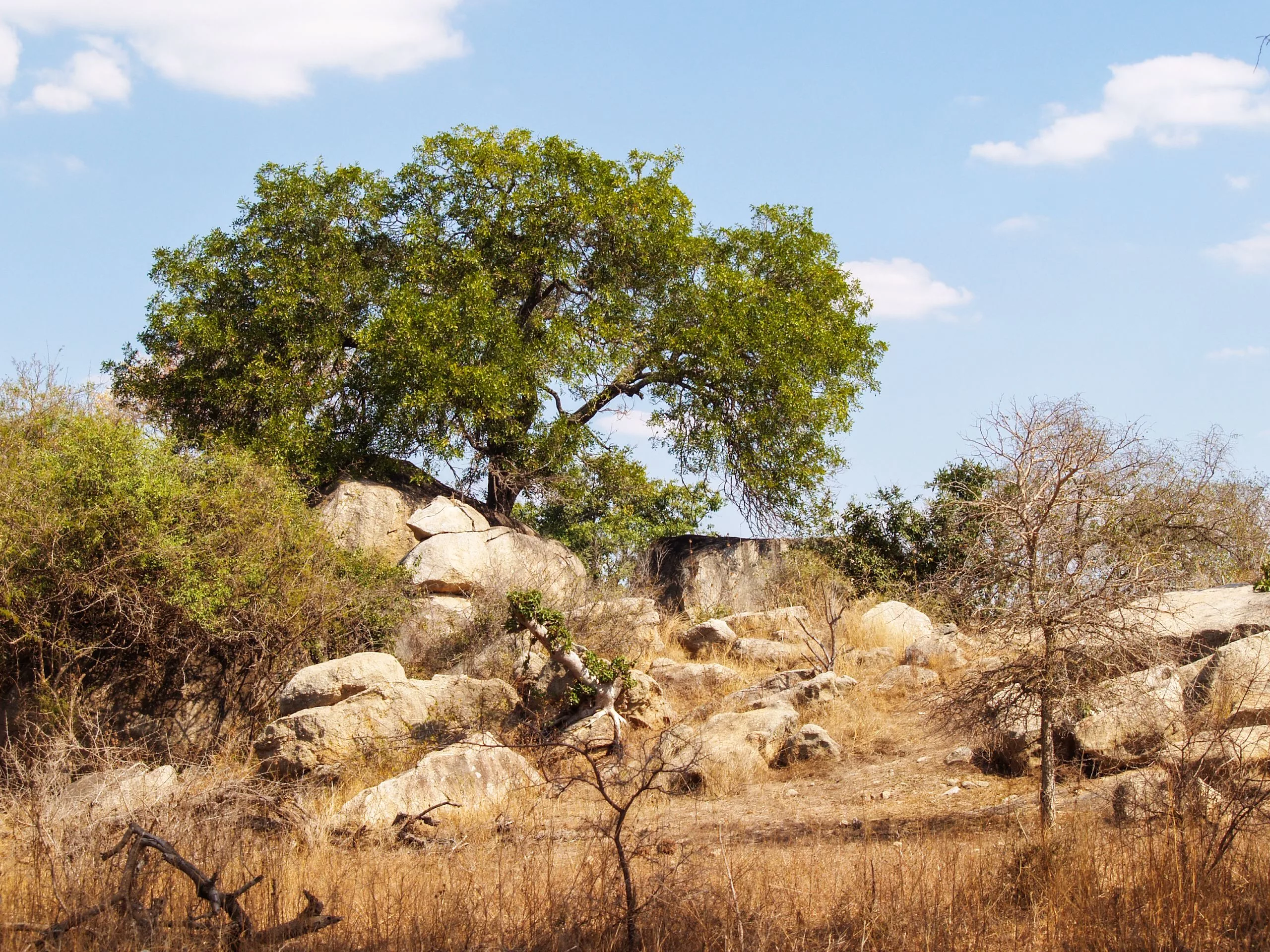
Instead of the dusty browns often associated with Etosha’s late winter months, the plains are still alive with colour. Grasses remain green, mopane woodlands look vibrant, and the famous Etosha Pan sometimes holds shallow water that reflects wide African skies like a giant mirror.
Photographers often love this period. The softer light, dramatic cloud formations, and green landscapes create a completely different mood compared with the stark, sun-baked scenes of peak dry season. When flamingos and other waterbirds appear on seasonal pans, the scenery becomes even more spectacular.
Comfortable weather for long game drives
Another reason April works so well for safaris is the weather.
Daytime temperatures usually sit between 28 and 32 degrees Celsius, warm but manageable for extended game drives. Evenings cool down nicely to around 14 to 18 degrees, which makes sunset wildlife viewing particularly pleasant.
Early in the month, there may still be occasional showers, but conditions generally become drier as April progresses. The result is a comfortable climate that allows visitors to spend longer hours exploring without the extreme summer heat.
Wildlife remains busy after the rains
Even though the dry season is famous for concentrated wildlife sightings, April still offers excellent opportunities to see animals across the park.
Elephants move between water sources as the landscape slowly dries, while plains game such as zebra, springbok, wildebeest, and oryx spread across the grasslands. Giraffe browse quietly through mopane trees, and the distinctive black-faced impala, which is largely found in northern Namibia, can also be spotted in the park’s northern areas.
Predators remain active, too. Lions are often seen near waterholes at dawn and dusk, while cheetahs patrol open plains where visibility helps them hunt. Leopards, although elusive, still appear in the park’s wooded areas.
April safaris also benefit from the aftermath of the summer birthing season. Young antelopes can often be seen alongside adults, which adds energy to wildlife encounters and sometimes leads to dramatic predator activity.
A great month for birdwatchers
For bird lovers, April can be particularly rewarding.
Many migratory species are still present before heading north again, and seasonal pans attract a range of waterbirds when conditions allow. Flamingos sometimes gather in shallow waters, turning parts of the landscape into a surprising splash of pink against Etosha’s wide white pan.
It is a reminder that the park’s appeal goes well beyond the classic big mammal safari.
Fewer visitors and more space
One of April’s biggest advantages is something many travellers crave on safari: space.
Visitor numbers tend to be lower than during peak travel months later in the year. That means quieter camps, less crowded waterholes, and a more relaxed pace inside the park.
For travellers and photographers alike, this can make a big difference. Watching elephants drink at sunset or lions resting near a waterhole feels far more special when you are not sharing the moment with dozens of other vehicles.
Important travel planning right now
Despite the advantages of April travel, visitors should plan carefully before entering the park at the moment.
Fuel stations run by Namibia Wildlife Resorts inside Etosha, including those at Okaukuejo, Halali, and Namutoni camps, have reportedly been without supply since February 2026. Because of this, travellers entering the park must fill up in nearby towns such as Outjo, Otjiwarongo, or Tsumeb before starting their safari drives.
Anyone planning a self-drive safari is also advised to carry extra fuel if possible, especially when planning longer routes through the park.
Road upgrades are another factor currently affecting travel. The road between Okaukuejo and Namutoni is closed, which means visitors may need to adjust their routes when crossing the park.
Health considerations for visitors
April travellers should also remember that malaria precautions are still recommended, particularly in the northern and eastern parts of Etosha.
Although the risk is lower than during the peak rainy season, it has not completely disappeared. Travellers are generally advised to speak to a healthcare professional about prophylaxis, use insect repellent at dawn and dusk, and wear protective clothing where possible.
A quiet safari sweet spot
For many seasoned Africa travellers, April sits in that sweet spot between seasons.
The landscapes still glow from the rains, wildlife remains active, the weather is comfortable, and the park is far less crowded than during peak months. For photographers, nature lovers, and families alike, that combination can be incredibly rewarding.
With a little extra planning around fuel and routes, April may quietly offer one of the most balanced safari experiences Etosha has to offer.
Source: travelnews.africa
Follow us on social media for more travel news, inspiration, and guides. You can also tag us to be featured.
TikTok | Instagram | Facebook
ALSO READ:
Kruger travel alert as flood recovery continues and Shingwedzi camp reopens