





Cape Town authorities have intensified their crackdown on illegal marine harvesting following the discovery of a large stash of West Coast rock lobster tails in Bishop Lavis, alongside arrests linked to poaching inside a protected coastal zone, as reported by IOL.
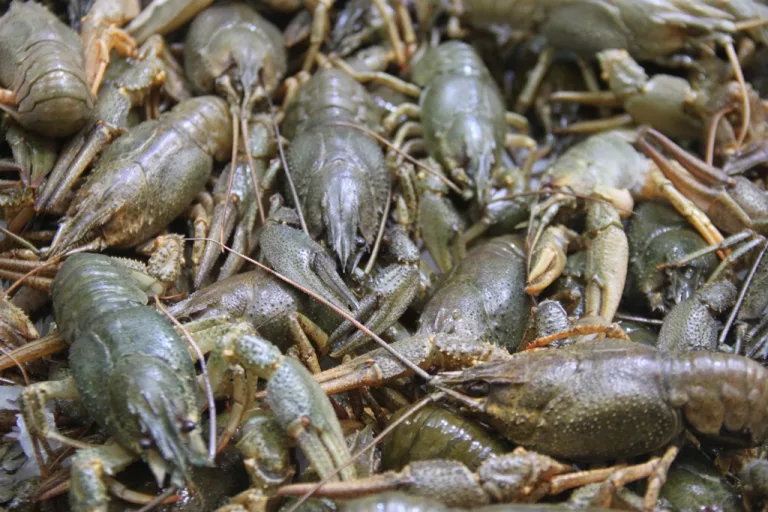
Image used for illustrative purposes/Andrey Filippov 安德烈 from Moscow, Russia/Wikimedia Commons
Thousands of lobster tails found during city patrol
Members of the City’s Marine and Environmental Unit were conducting routine patrols on Monday afternoon when they stopped a man outside a residential property in Bishop Lavis. According to City Law Enforcement spokesperson Wayne Dyason, officers became suspicious after noticing the man’s behaviour and were granted access to the premises.
Once inside, a strong smell of fish prompted further inspection. Officers discovered multiple refrigerators in a room, each containing blue bags filled with West Coast rock lobster tails. In total, 3,162 tails were confiscated.
A 35-year-old man was arrested and taken to the South African Police Service in Bishop Lavis. He now faces charges related to the illegal possession of marine resources. The case remains under investigation.
Separate operation targets protected coastline
Earlier on the same day, a joint enforcement operation was carried out along the Cape Peninsula coastline. The operation was led by the Department of Forestry, Fisheries and the Environment, with assistance from SANParks and the City’s Marine Unit.
During the operation, four vessels were seized and 10 fishermen arrested for allegedly harvesting crayfish within a closed Marine Protected Area at Brightwaters and Olifantsbos, both located inside the Cape of Good Hope Nature Reserve.
ALSO READ:
Hawks intercept alleged rhino horn trafficker at Cape Town International Airport
Seasonal limits remain tightly enforced
The arrests fall within the 2025/26 West Coast rock lobster season, which is governed by the Marine Living Resources Act. Commercial fishing is permitted from 15 November 2025 to 15 March 2026, with the shortened season forming part of long-term stock recovery measures.
Recreational harvesting is subject to even stricter controls. In December, Fisheries Minister Willie Aucamp confirmed that recreational fishing would be limited to 12 designated days between December and March. Harvesting outside these dates, exceeding daily limits or fishing without a valid permit remains illegal.
Although the Total Allowable Catch for the 2025/26 season was increased by 58.4% from 505 to 800 tonnes, following scientific assessments indicating signs of recovery, authorities have warned that illegal fishing continues to undermine these gains.
‘Marine crime remains a serious concern’
Mayoral Committee Member for Safety and Security JP Smith said the illegal harvesting of marine species remains a persistent challenge.
“Illegal exploitation of our marine resources is an ongoing concern and is often linked to broader criminal activity. Our Marine Unit works closely with partner agencies to monitor and protect Cape Town’s coastline,” he said.
Authorities have again urged the public not to purchase illegally sourced seafood and to report suspected poaching, stressing that consumer demand continues to drive illegal trade.
Follow us on social media for more travel news, inspiration, and guides. You can also tag us to be featured.
TikTok | Instagram | Facebook | Twitter
ALSO READ:







.jpg)