


Building a resilient environmental future requires more than policy and research. It depends on people.
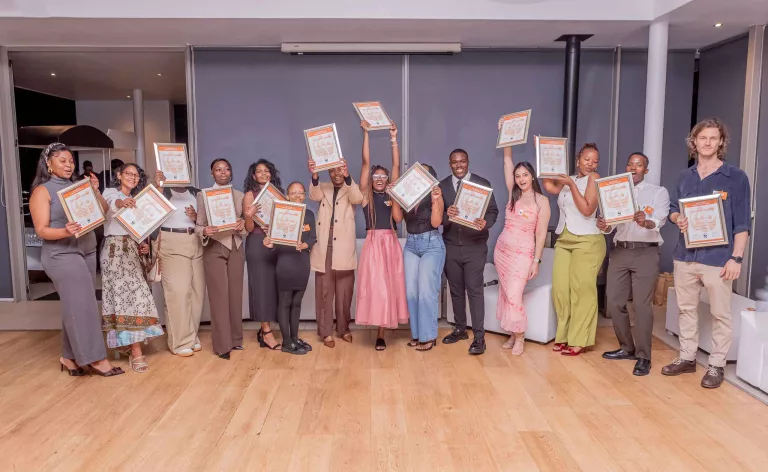
The group, who are completing their internships, at a valedictory event in Newlands, Cape Town in March/WWF South Africa/Supplied
For the past 15 years, WWF South Africa has been investing in that future through its Environmental Leaders Graduate Internship Programme, helping young graduates transition from academic study into meaningful careers in conservation and sustainability.
The programme was created as a practical, paid pathway into the working world. Aimed at recent Honours and Master’s graduates, it combines hands-on professional experience with mentorship, skills development and access to industry networks that can shape long-term careers in the environmental sector.
Every two years, WWF selects a new group of interns for a structured 12-month placement designed to address critical skills shortages in South Africa. Opportunities span a wide range of disciplines. While some participants enter traditional conservation roles, others work in emerging fields such as environmental economics, green engineering and sustainable architecture, reflecting the changing demands of the green economy.
Collaboration remains central to the programme’s success. Over the years, interns have been hosted by leading environmental and conservation organisations including SANParks, the South African National Biodiversity Institute, the Two Oceans Aquarium, Sustainable Energy Africa and Wildlands Conservation Trust. These placements provide real-world exposure to the challenges and opportunities shaping South Africa’s natural landscapes.
Long-term funding partnerships have also played a vital role. The WWF Nedbank Green Trust has supported the initiative since 2013, alongside contributions from Barloworld and, more recently, WWF’s Japan office.
The newest cohort, now nearing the completion of their internships, reflects the diversity of South Africa’s academic and environmental expertise. Graduates from universities across the country have contributed knowledge in fields ranging from taxonomy and climate science to environmental law.
As these young professionals move into the next stage of their careers, the programme continues to serve as a critical bridge between education and employment. In doing so, it strengthens South Africa’s ability to respond to growing environmental pressures while cultivating the leaders who will help protect the country’s natural heritage for generations to come.
Follow us on social media for more travel news, inspiration, and guides. You can also tag us to be featured.
TikTok | Instagram | Facebook | Twitter
ALSO READ:
Beyond the flames: How the Cape wine industry is adapting to wildfire reality