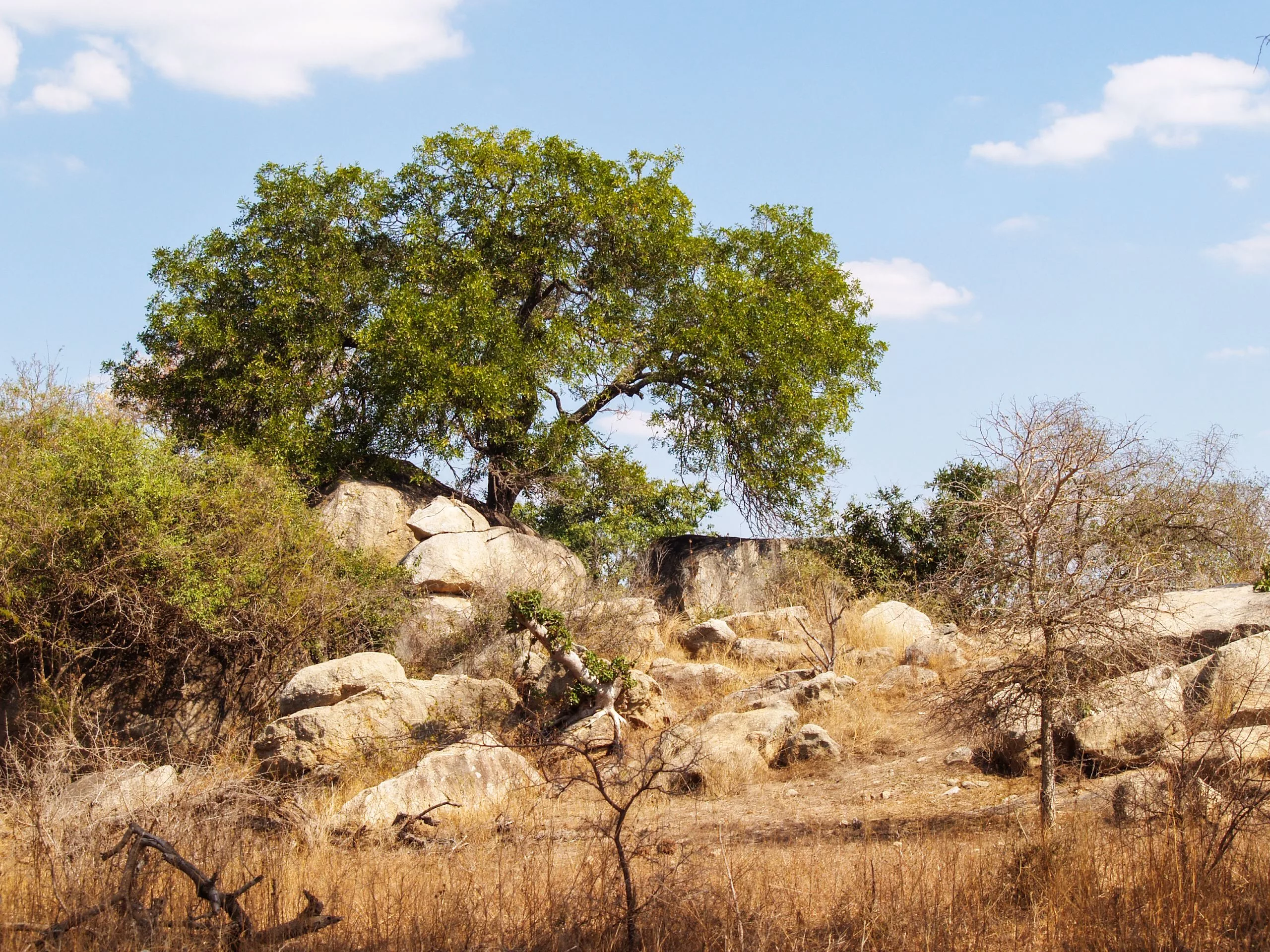




Kruger National Park is preparing for a dramatic chapter in its conservation story this March. Two long-standing dams in the park’s northern region will be removed using controlled explosions, marking another step in a large-scale plan to return the reserve’s river systems to their natural flow.

Source: Maroela Media
The work will take place between 9 and 20 March 2026, targeting the remaining structures at Kanniedood Dam and Sirheni Dam. According to South African National Parks, the operation forms part of a broader environmental restoration programme that aims to undo decades of human alteration within one of Africa’s most famous wildlife landscapes.
While the idea of detonations inside a national park might sound surprising, conservationists say the goal is simple. Let the rivers run the way nature intended.
Why Kruger is removing its dams
For much of the twentieth century, artificial water sources were built throughout African game reserves. The thinking at the time was straightforward: more water meant more animals, and easier viewing for visitors.
Over time, scientists began noticing unintended consequences.
Permanent dams and waterholes disrupted the natural rhythms of the ecosystem. They altered migration routes, encouraged certain species to remain in areas year-round, and changed the delicate balance between predators and prey. Seasonal rivers that once flowed and dried according to rainfall patterns became artificially stable.
Modern conservation thinking has shifted strongly in favour of restoring natural processes. Removing barriers like dams allows rivers to behave as they did before human interference. This supports healthier ecosystems, improves natural water purification, and helps wildlife follow natural seasonal patterns again.
The demolition operation explained
The upcoming demolition will be carried out through a collaboration between SANParks and the South African National Defence Force.
Controlled explosives will be used to break apart the remaining concrete structures at the two dam sites. These remnants were left behind after severe flooding in 2013 damaged the dams, and earlier removal efforts began.
Once the explosions are complete, teams will move in to clear and remove the rubble from the river environment to ensure the surrounding ecosystems remain protected.
Safety measures will be extensive throughout the process. Authorities plan to conduct aerial reconnaissance before each detonation, implement ground safety checks, and maintain medical and wildfire response teams on standby.
Temporary road closures in northern Kruger
Visitors travelling through the northern section of Kruger should be aware of temporary road closures during the operation.
From 8 to 21 March 2026, two routes will be closed for safety.
The affected roads include:
• The S50 Shingwedzi Road between the S134 and S143 junctions
• The S57 Sirheni Road between Shisha Crossing and the Sirheni Bush Camp detour junction
These closures are limited to a relatively small portion of the park and are designed to ensure the safety of both visitors and wildlife during the demolition period.
Fortunately, the vast majority of Kruger’s enormous landscape will remain open.
The rest of Kruger remains open for travellers
Kruger National Park covers nearly 19,500 square kilometres, making it one of the largest protected wildlife areas in the world. The temporary restrictions in the far north will not affect most safari itineraries.
Popular areas in the southern and central sections of the park will continue operating as normal. Camps such as Berg en Dal, Crocodile Bridge, and Lower Sabie remain fully accessible, offering some of the park’s best game viewing.
For safari planners and travellers, the message is clear. Kruger remains open and thriving, even while major conservation work continues behind the scenes.
A restoration story decades in the making
The removal of Kanniedood and Sirheni dams is not an isolated project. It forms part of a long-running effort to restore Kruger’s rivers.
Earlier demolitions have already reopened the Mpongolo, Phugwane, and Shingwedzi river systems, allowing water to flow naturally once again through landscapes that had been modified for decades.
These projects are increasingly celebrated within conservation circles as examples of science-led environmental management. Instead of building more infrastructure, park authorities are now carefully removing it to rebuild the natural ecological balance.
A different kind of safari story
For many travellers, the idea of dams being removed inside a world-famous national park may seem unusual at first. Yet the project reflects a growing global shift in how protected areas are managed.
Visitors today are increasingly interested in destinations that prioritise authentic wilderness experiences. Seeing a landscape where natural systems function without artificial barriers has become part of the appeal.
In that sense, the story unfolding in northern Kruger is about more than demolition. It is about restoration.
And when the rivers begin flowing freely again, the park will be one step closer to the wild, self-sustaining ecosystem it once was.
Source: travelnews.africa
Follow us on social media for more travel news, inspiration, and guides. You can also tag us to be featured.
TikTok | Instagram | Facebook
ALSO READ:
Boeing 737 completes rare Antarctica landing after Cape Town departure