





Cape Town’s vibrant tourism scene is no stranger to headlines and recently, buzz has been growing around rumours of a new “Airbnb tax” in the Mother City.

Tomas Wells / Pexels
But here’s the real story for travellers and hosts alike: there’s no entirely new tax on holiday stays coming.
What’s really unfolding is a proposed Short-Term Letting By-Law aimed at ensuring that properties used predominantly as commercial accommodation — think full-time holiday rentals — are paying the right commercial property rates rather than residential ones. This clarifies an existing rule rather than creating a fresh levy on visitors.
This adjustment targets hosts who already operate like hotels or guesthouses but pay lower residential rates, helping level the playing field across Cape Town’s accommodation landscape. If your stay is a genuine short break, and your host complies with local classification, you won’t see a new tourist tax applied to your booking.
The city stresses that occasional short stays, long-term rentals, and primary homes used occasionally for short lets aren’t the focus of this compliance effort. It’s all about fairness, transparency and supporting Cape Town’s booming travel economy, from boutique B&Bs to stylish guesthouses, without introducing unexpected costs for visitors.
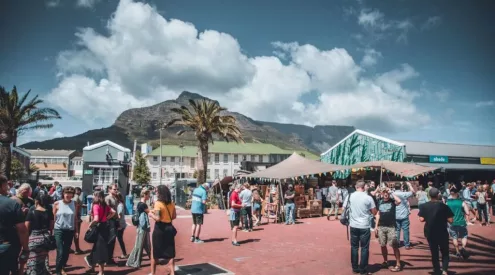
For travellers planning a getaway to Table Mountain, the V&A Waterfront, or the beaches of Clifton and Camps Bay, this means you can keep exploring Cape Town’s unique charm without worrying that your Airbnb will suddenly attract a mysterious “tourist tax.”
Follow us on social media for more travel news, inspiration, and guides. You can also tag us to be featured.
TikTok | Instagram | Facebook | Twitter
ALSO READ: