






Anyone who has tried to book a flight in South Africa recently may have noticed something unsettling. Prices are creeping up. In some cases, they are climbing sharply.

Source: Travel And Tour World
According to eTNW, behind the scenes, airlines are grappling with a problem that travellers rarely see but feel almost immediately in their wallets. Jet fuel costs are rising fast, and local carriers are adjusting fares and adding fuel surcharges to stay afloat.
The first move: fuel surcharges return
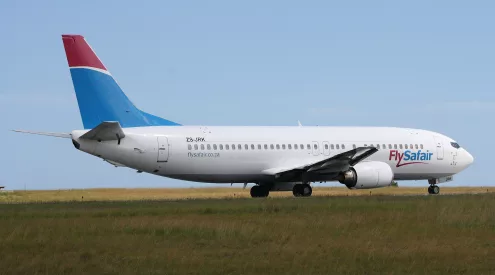
On 11 March, FlySafair became the first domestic airline to announce a temporary fuel surcharge on flights. It was a signal to the market that the cost of operating aircraft in South Africa had suddenly shifted.
Soon after, several other airlines confirmed they would be adjusting ticket prices as fuel expenses rise. The trigger behind the increases is a surge in global oil prices, linked to geopolitical tensions in the Middle East. Airlines operate on tight margins, and when fuel spikes, fares often follow.
For travellers, this means that flights booked today may cost noticeably more than they did just weeks ago.
SAA increases fares across its network
South African Airways confirmed it would raise fares across its domestic, regional, and international routes from 12 March.
The adjustment affects all cabin classes. Both the base fare and the airline’s carrier-imposed fuel component may increase depending on the route.
Passengers who had already purchased and issued their tickets before the new pricing took effect will not be affected. However, reservations that were not ticketed before the change will fall under the new fares.
For frequent flyers and travel planners, the message is clear: delays in issuing tickets can now come with a higher price tag.
Airlink reacts to dramatic fuel price spikes
Airlink began adjusting fares earlier than most carriers, starting on 9 March.
The airline’s CEO, De Villiers Engelbrecht, revealed that suppliers had suddenly raised jet fuel prices at Cape Town and Gqeberha airports by as much as 70 percent in a single week.
That kind of increase leaves airlines with little room to absorb the cost.
For now, Airlink says passengers who already hold tickets will not face additional levies. The airline also confirmed it currently has enough fuel supply to cover operations through March and April, although availability beyond that period remains uncertain.
If prices continue to climb, the airline may consider adjusting flight capacity to manage rising operating costs.
LIFT adjusts fares but protects existing tickets
LIFT has also updated fares for new bookings in response to the surge in fuel costs.
However, passengers who already have tickets will not be charged additional fees unless they make changes to their bookings.
According to the airline’s commercial leadership, the increase in fuel costs has had an immediate and significant impact on airline operating expenses.
Like many carriers globally, LIFT is passing part of those costs through to new ticket prices.
CemAir watching the market closely
CemAir has not yet confirmed whether it will introduce a fuel surcharge, but the airline is monitoring the situation closely.
CEO Miles van der Molen said the company is keeping a close eye on fuel supply and price movements before deciding whether additional charges will be necessary.
A final decision is expected soon, depending on how oil prices behave in the coming days.
Why African airlines feel the pain more
Even before the latest spike in oil prices, airlines across Africa were already paying more for jet fuel than their global counterparts.
Industry data shows that jet fuel on the continent costs about 17 percent more than the global average. For many African airlines, fuel accounts for roughly 40 percent of operating costs. Worldwide, the average sits closer to 25 percent.
That difference alone makes airlines in the region far more vulnerable to sudden price shocks.
South Africa’s heavy reliance on imported jet fuel
Another factor complicating the situation is South Africa’s dependence on imported jet fuel.
More than 90 percent of the country’s supply now comes from overseas. Local production was disrupted after the July 2021 unrest and the severe floods that hit KwaZulu-Natal in April 2022.
Those events halted production at the SAPREF refinery in Durban and coincided with the closure of the Astron refinery in Cape Town during refurbishment. Although the Cape Town facility has resumed operations, production remains limited.
As a result, airlines face additional expenses linked to shipping, distribution, storage, and regulatory levies.
What travellers are saying
Online reactions from travellers have been mixed. Many frequent flyers say fare increases were inevitable given the global fuel situation. Others worry that rising ticket prices could make domestic travel less accessible for South Africans.
Travel agents have also reported a noticeable uptick in last-minute bookings as travellers rush to secure fares before further adjustments.
For holidaymakers and adventure seekers planning trips across the country, the lesson may be simple: booking early could make a real difference this year.
The bigger picture for travellers
While fuel surcharges are frustrating, they are not unusual in aviation. Airlines have historically used them as a temporary tool when fuel prices spike dramatically.
If global oil prices stabilise, surcharges often ease or disappear. But if volatility continues, travellers may need to adjust expectations when budgeting for flights.
For now, South African airlines are navigating a delicate balancing act. They must keep routes operating while managing one of the most unpredictable cost factors in the aviation industry.
And for passengers planning their next getaway, the price of that ticket may increasingly reflect the turbulence happening far beyond the runway.
Source: eTNW
Follow us on social media for more travel news, inspiration, and guides. You can also tag us to be featured.
TikTok | Instagram | Facebook
ALSO READ:
Africa’s air safety improves in 2025, but accident rate remains highest regionally