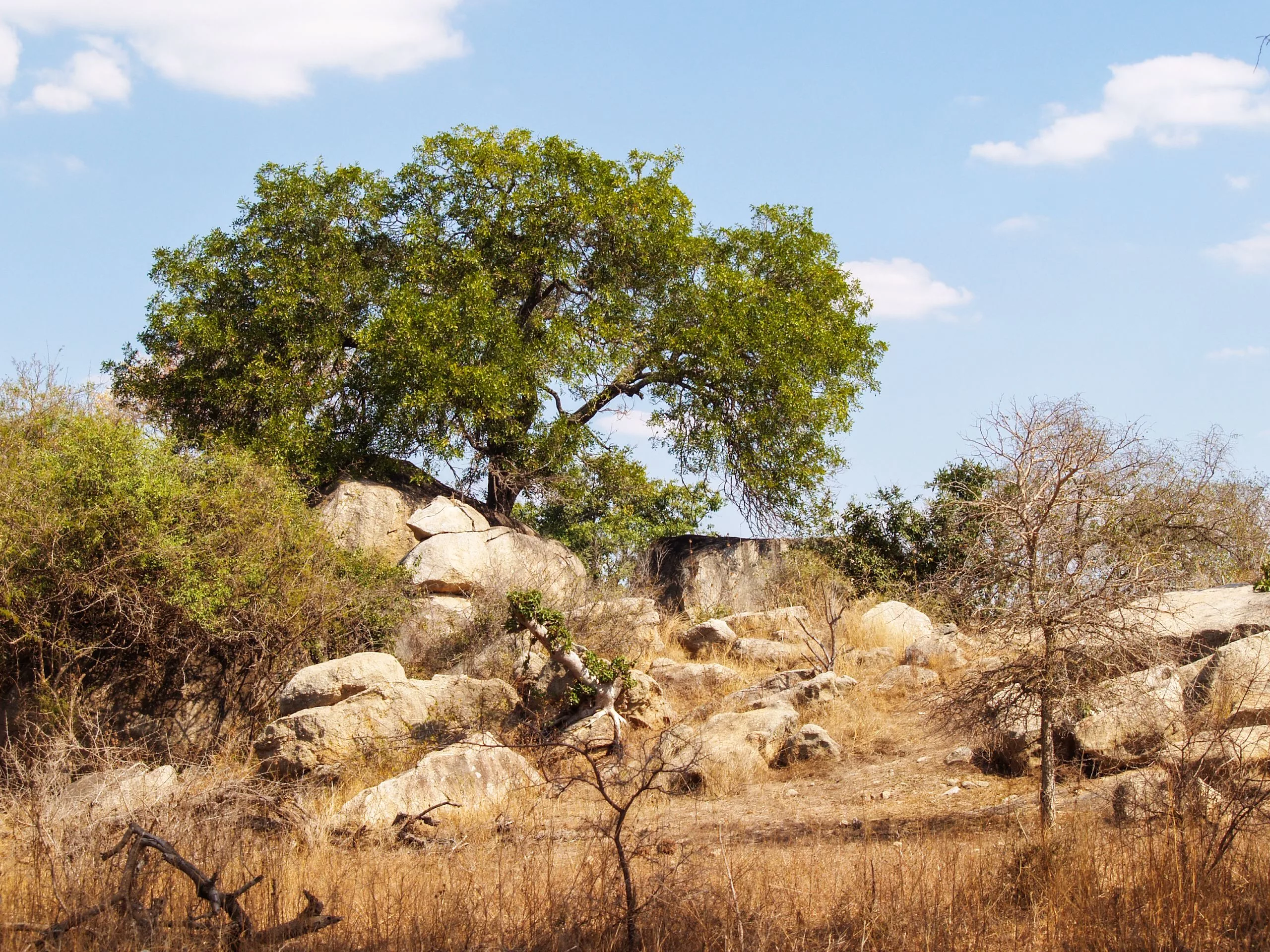





Image: WikiMedia Commons / Charles J. Sharp
Mozambique’s Maputo National Park and Malawi’s Mount Mulanje Cultural Landscape have officially joined the UNESCO World Heritage List, following announcements made at the 47th session of the World Heritage Committee in Paris.
As reported by Travel News, this is Mozambique’s second but first natural World Heritage Site. Located in the south of the country, Maputo National Park protects a mosaic of coastal and inland ecosystems, from coral reefs and seagrass beds to freshwater lakes, wetlands and mangroves.
“This is a proud and historic moment for Mozambique,” said Gustavo Dgedge, Mozambique’s Secretary of State for Land and Environment. “To be recognised by UNESCO is a powerful endorsement of the work being done here. It honours the dedication of our government, communities and partners to restore this unique landscape.”
Originally created to protect coastal elephants, the park is now home to more than 5 000 reintroduced game animals and serves as a key nesting site for endangered leatherback and loggerhead turtles. It also hosts the world’s largest aggregation of giant kingfish and plays a vital role as a migratory bird stopover.
In Malawi, the newly listed Mount Mulanje Cultural Landscape spans almost 90 000 hectares and includes one of the world’s largest inselbergs, Mount Mulanje. The site is deeply significant to the Yao, Mang’anja and Lhomwe peoples, who continue to practise traditional cultural beliefs tied to the mountain’s sacred status.
Madagascar site removed from danger list
UNESCO also announced that the Rainforests of the Atsinanana in Madagascar have been removed from the List of World Heritage in Danger, where they had been since 2010 due to illegal logging and slash-and-burn agriculture.
Thanks to restoration efforts under UNESCO’s Biodiversity Conservation and Sustainable Natural Resource Management programme, 63% of forest cover has been restored and illegal activities have significantly declined. Over 550 local community members, mostly youth, have received training in trades like ecotourism, fish farming and basket weaving.
UNESCO Director-General Audrey Azoulay said: “When sites are removed from the List of World Heritage in Danger, it is a great victory for all – for the countries and communities directly concerned, for UNESCO and, more broadly, for the shared heritage of humanity.”
ALSO READ: Launch date confirmed for SA’s first bullet train between Limpopo and Gauteng