




Colombia’s Coffee Triangle, also known as the Eje Cafetero, is a South American region that is quietly brewing its own magic with its breathtaking countryside, charming stays, and a devotion to its coffee craft.

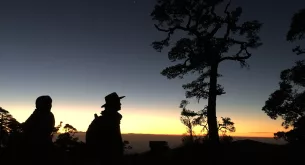
Sunrise in Colombia’s Coffee region/Jeremy Stewardson/Unsplash
Nestled between Bogotá and Medellín in Colombia’s Andean highlands, this lush triangle-shaped region is made up of three departments—Caldas, Quindío, and Risaralda—with charming towns like Salento and Filandia at its heart. Recognised as a UNESCO World Heritage Site, the coffee cultural landscape is where Colombia’s famed beans meet authentic rural hospitality.
Where coffee is culture

Hacienda Venecia/Paul from Hacketts Cove, Canada/Wikimedia Commons
In place of vineyards and truffle farms, the Coffee Triangle offers working fincas, where coffee is grown, roasted, and brewed with obsessive care. Visitors can walk through rows of Arabica trees, pick ripe cherries, and learn the art of preparing a perfect cup—from seed to sip.
Many farms welcome overnight guests. Hacienda Venecia near Manizales, for example, invites you to stay on a colonial coffee estate, with hammocks slung on verandas and expert-led tastings under banana trees—coffee here is a way of life.
ALSO READ: Stays with outdoor tubs, rain showers and rock pools
Meet the towns that anchor the triangle

Salento, Colombia/Jonny James/Unsplash
- Salento: With its technicolour buildings, slow pace, and artisanal energy, Salento is the beating heart of the Coffee Triangle. Cobbled streets lead to family-run cafés, and the nearby Cocora Valley is home to the tallest palm trees in the world, some stretching 60 metres into the sky.
- Filandia: A more low-key sibling to Salento, Filandia offers a deeper dive into local life. Creative restaurants, scenic miradores (viewpoints), and a community-driven atmosphere make this a favourite among travellers looking to linger.
- Pereira, Armenia & Manizales: These are the region’s urban hubs — ideal bases for exploring the countryside, with modern comforts and buzzing food scenes.
Boutique stays without the price tag

Pereira, Colombia/Cristhian Valencia/Unsplash
One of the best-kept secrets of the Coffee Triangle is that you don’t have to splurge to have an extraordinary experience. While a stay in Tuscany might set you back hundreds of euros per night, Colombia offers top eco-lodges, colonial haciendas, and spa retreats at a fraction of the cost.
Some popular, affordable places to consider:
- Bio Habitat Hotel (Armenia): This modern treehouse-style hotel features glass pods in a private forest. Wake up to mountain mist and birdsong, then unwind in an open-air hot tub.
- Casa San Carlos Lodge (Pereira): With its focus on wellness, tranquil gardens, and luxurious suites, this hideaway feels like it belongs on a yoga retreat in Bali.
- Hacienda Bambusa (Quindío): Once owned by artist Santiago Montoya, this eight-room luxury farm blends art, farm-to-table food, and absolute peace.
From trout to tropical fruit

Ajiaco in Bogota, Colombia/Bernard Gagnon/Wikimedia Commons
Colombian cuisine is rich and rooted. Instead of pasta and prosciutto, expect fresh river trout, plantains in every form, ajiaco (a hearty chicken-and-potato soup), and juice made from exotic fruit like lulo, guanabana, and maracuyá.
For something special, grab a table at Helena Adentro in Filandia. Housed in a quaint blue-and-white building, this small restaurant serves up refined Colombian comfort food and homemade limonada de coco — all with a view of rolling farmland.
Laid-back adventures

Los Nevados National Natural Park/Mangeltoza/Wikimedia Commons
The joy of the Coffee Triangle lies in its slow travel soul. Here, days unfold with ease: horseback rides through misty hills, hot springs near Santa Rosa de Cabal, or paragliding over the valleys of Roldanillo. For hikers, the Los Nevados National Natural Park offers snow-capped volcanoes and glacial lagoons — a dramatic contrast to the lush coffee fields below.
Those craving serenity can join a yoga retreat, visit a cloud forest, or simply nap in a hammock between sips of espresso.
How to get there and when to go

Avianca, Colombian airline/Fabio Augusto Valencia/Unsplash
Getting there:
Fly into Bogotá or Medellín, then catch a short domestic flight to Pereira (PEI), Armenia (AXM), or Manizales (MZL). Alternatively, take a scenic long-distance bus.
When to visit:
The best time to visit Colombia’s Coffee Triangle is during the dry season, from December to March, when warm temperatures (around 25 °C) and clear skies make it ideal for hiking, biking, and exploring coffee farms. While occasional rain is possible year-round, this period also offers the best chance to experience local festivals. Keep in mind: the region spans three cities—Pereira, Manizales, and Armenia—each with slightly different weather patterns.
Why visit the Coffee Triangle?
Unlike Tuscany, where prices and crowds are climbing, Colombia’s Coffee Triangle still offers a sense of authenticity and discovery. You’ll find fewer tour buses, more spontaneous conversations with locals, and plenty of room to roam. Tourism is rising here—especially among eco-conscious travellers and digital nomads—but it hasn’t yet tipped into overtourism.
Follow us on social media for more travel news, inspiration, and guides. You can also tag us to be featured.
TikTok | Instagram | Facebook | Twitter
ALSO READ: Where to stay in the world’s largest salt flats




.jpg)

