




These South African towns are more than just dots on a map — they are living storybooks. In every gabled roof, koppie path, and church bell lies a tale of invention, resilience, or reinvention.
Whether you’re a cultural traveller or a curious weekender, here are eight towns where the past lingers just beneath the surface, waiting for you to lean in and listen.
Sutherland (1855)

Picture used for illustration purposes/South African Tourism/Wikimedia
This Karoo town is better known for what’s above it than within. Home to the Southern African Large Telescope (SALT), Sutherland draws stargazers and solitude seekers with its clear night skies and celestial silence. But its stories aren’t all astronomical — Sutherland is also a town of endurance, shaped by snowfalls, sheep farmers, and slow-burning charm. In winter, its frostbitten beauty speaks volumes about the people who call this remote outpost home.
Wupperthal (1830)

Eselbank Pass south of Wupperthal/Brita Lomba/Wikimedia Commons
Tucked away in the Cederberg mountains, Wupperthal was founded as a Rhenish mission station in 1830. Known for its hand-sewn veldskoene, rooibos heritage, and ochre-coloured landscapes, the town was devastated by fire in 2018. Its slow recovery has only deepened its sense of collective memory. Walk the narrow lanes and speak to locals — you’ll find a community that tells its story not just in words, but in resilience.
Graaff-Reinet (1786)

Surrounded by the Camdeboo mountains, Graaff-Reinet boasts more national monuments than any other town in South Africa. But its beauty is more than skin deep. Once a hub of anti-colonial sentiment, it was the birthplace of PAC leader Robert Sobukwe, whose legacy endures. Visit the Reinet House Museum and walk Drosdy Street — you’ll feel history at your feet and politics in the air.
ALSO READ: Top 5 South African residents-only safari deals you need to know about
Stellenbosch (1679)

From the R304 looking towards Stellenbosch/Hendrik van den Berg/Wikimedia CommonsThe Cape’s second-oldest town is often painted in shades of oak and wine, but Stellenbosch is layered. Beyond its acclaimed estates lies a complex tapestry of student rebellion, Afrikaans identity, and visual art. The town has given rise to poets, painters, and protests, and today it strikes a balance between gourmet living and cultural introspection. Stop in at the Stellenbosch Museum and galleries along Church Street to trace the town’s duality.
Pilgrim’s Rest (1873)

Pilgrim’s Rest/South African Tourism/Wikimedia Commons
Nestled in the Mpumalanga highlands, Pilgrim’s Rest feels like a movie set — and in many ways, it is. Once a roaring gold rush town, it has been preserved as a living museum. Wooden buildings, corrugated iron roofs, and dusty saloons speak of fortune-seekers and folklore. Whether you’re sipping tea in a former bank or panning for gold, every street corner hums with the wild hopes of yesteryear.
Nxuba (formerly Cradock) (1816)

Cradock (Nxuba)/fiverlocker/Wikimedia Commons
Cradock’s story is one of defiance and identity. Olive Schreiner, one of South Africa’s first internationally acclaimed writers, was born here, and her legacy of social critique still lingers. The town’s Victorian buildings, churches, and annual literary festival (held in her honour) anchor it in cultural relevance. But it’s also a place of stoic Karoo farmers, epic sunsets, and rich local pride.
Griekwastad (1812)

A road in Griekwastad/Ralph Malan/Wikimedia Commons
Also known as Griquatown, this Northern Cape town tells a uniquely South African tale of migration, displacement, and mission work. It was once the capital of the Griqua people under Adam Kok I — an independent, mixed-race community that defied easy categorisation. The Griqua Church and museum offer glimpses into a past where power, faith, and identity collided on the edge of the colonial frontier.
Fort Beaufort (KwaMaqoma) (1822)

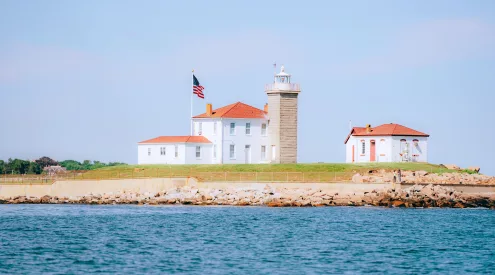
Martello Tower/F.F. Jacot-Guillarmod/Wikimedia Commons
Tucked into the Amatola foothills, Fort Beaufort, officially renamed KwaMaqoma in 2023, once stood at the centre of the 19th-century frontier wars. Military architecture still dominates — from the Martello Tower to the old blockhouses — but modern visitors will find a warm community shaped by Xhosa, settler, and missionary roots. It’s a place where past conflicts gave rise to unique cultural blending and hard-earned peace.
Swellendam

Historical village in Swellendam/A3alb/Wikimedia Commons
Swellendam, cradled in the Breede River Valley at the foot of the Langeberg Mountains, lies east of Cape Town and holds the charm of one of South Africa’s oldest towns. Its name is a blend of Cape Governor Hendrik Swellengrebel and his wife, Helena ten Damme — a romantic nod to colonial roots. Wander through streets where time slows, and you’ll find beautifully preserved Cape Dutch buildings, some dating back to 1747 when the Dutch East India Company first established its outpost here.
Follow us on social media for more travel news, inspiration, and guides. You can also tag us to be featured.
TikTok | Instagram | Facebook | Twitter
ALSO READ: Micro-destinations hidden inside South Africa’s major cities


.jpg)


.jpg)


