






Spring is a season of renewal, and nowhere is this more visible than in the country’s heritage landscapes. These are the places where culture, history, and nature meet, and in September and October, they put on a show that feels almost otherworldly.
Here are seven heritage landscapes that will leave you in awe when the season turns.
1. Namaqualand Flower Route, Northern Cape

Namaqualand, Goegap/Winfried Bruenken (Amrum)/Wikimedia Commons
If there’s one spring pilgrimage South Africans dream about, it’s Namaqualand. After winter rains, this semi-desert erupts into a carpet of daisies, vygies, and other blooms. Driving the flower route feels like stepping into a living kaleidoscope.
The Namaqua National Park is the best base, but many of the smaller towns also tell cultural stories. In places like Kamieskroon and Springbok, you’ll find Nama heritage alive in food, crafts, and warm hospitality. It’s a reminder that this spectacle is as much about people as it is about flowers.
Travel tip: Go in September for peak bloom, and always drive with the sun behind you to see the flowers facing your way.
2. Drakensberg Mountains, KwaZulu-Natal
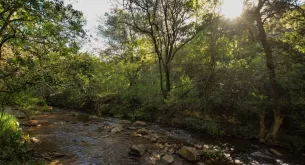
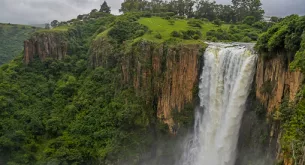
The uKhahlamba-Drakensberg is a UNESCO World Heritage Site, known for its soaring peaks and San rock art. In spring, the snowmelt gives way to lush valleys and waterfalls, and wildflowers brighten the slopes.
As a traveller, you feel history around every corner. Hiking trails often lead to caves decorated with paintings that are thousands of years old. Standing in front of them while hearing nothing but wind and birdsong is an experience that connects past and present.
Travel tip: The Amphitheatre hike is a bucket-list route, but gentler spring walks like Rainbow Gorge also reward with flowers and streams.
3. The Karoo

Karoo/Neal Markham/Unsplash
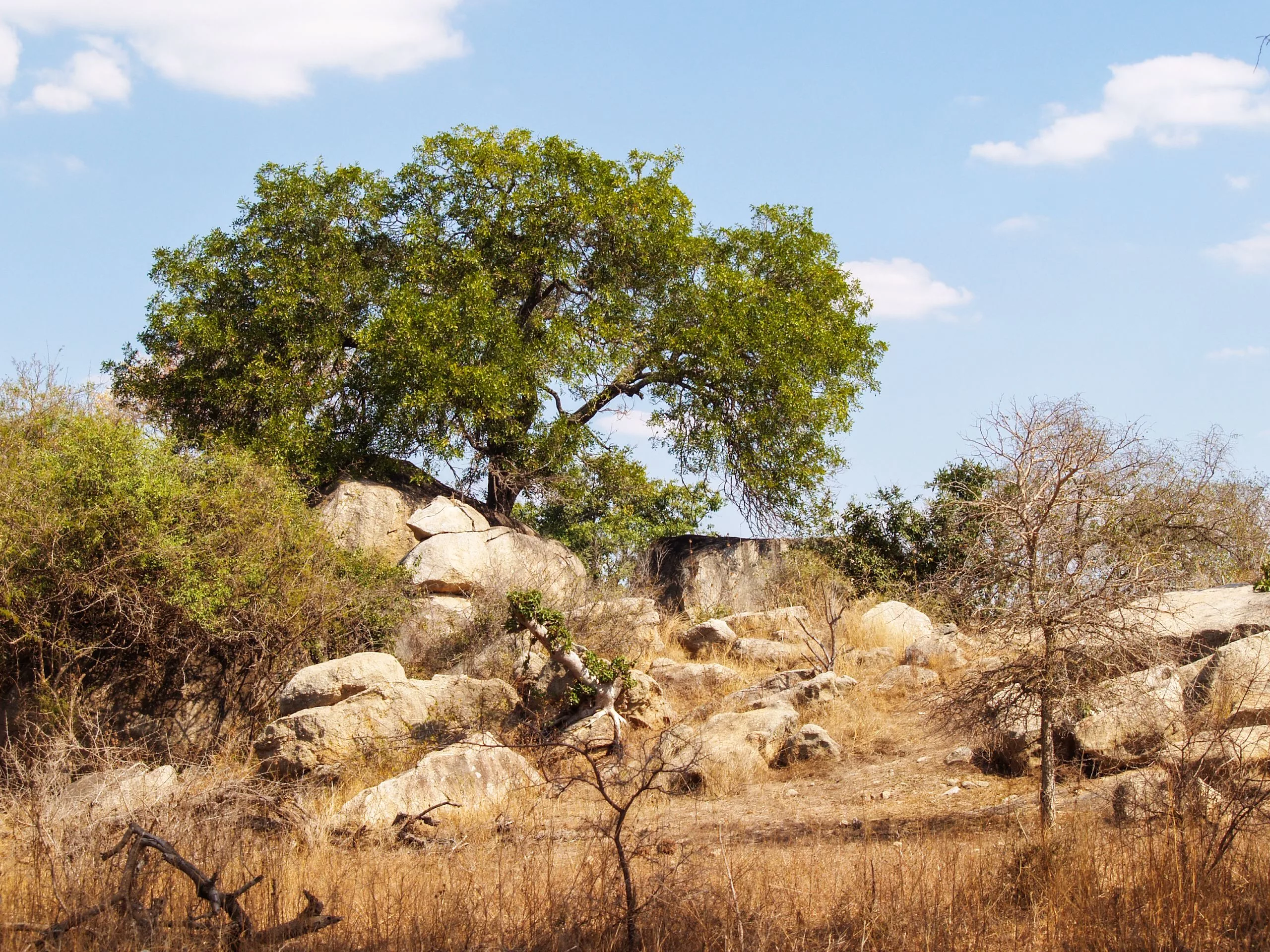
At first glance, the Karoo seems stark and endless, but in spring, its beauty softens. Succulents flower, dusty plains turn green, and small towns welcome travellers with their own heritage charm.
Graaff-Reinet, often called the “Gem of the Karoo,” boasts Cape Dutch architecture and a deep cultural history. Fossil sites near Nieu-Bethesda whisper of ancient rivers that once shaped the land. Exploring the Karoo in spring feels like uncovering a storybook written across millions of years.
Travel tip: Don’t rush. The Karoo is about slowing down and noticing the details, from a blooming aloe on the roadside to the sound of sheep bells drifting across the veld.
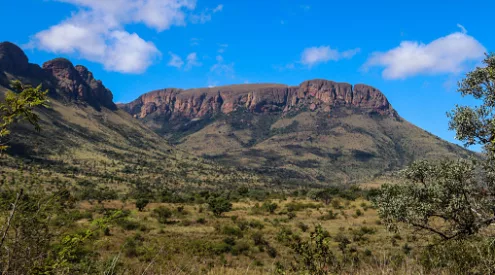
4. Mapungubwe National Park, Limpopo

Mapungubwe National Park/Laura SA/Wikimedia Commons
Where the Limpopo and Shashe rivers meet, you’ll find the remnants of one of Africa’s great kingdoms. Mapungubwe was a thriving centre of trade a thousand years ago, and walking among the sandstone hills feels like walking through history.
In spring, baobabs stand in fresh green leaves, animals gather near waterholes, and the golden light makes the landscape glow. It’s a place that reminds travellers that heritage is not just in monuments but in the land itself.
Travel tip: Join a heritage tour led by SANParks guides to learn the full story of the kingdom and its golden treasures.
5. Cederberg, Western Cape

Stadsaal Caves view/Zaian/Wikimedia Commons
The Cederberg is famous for its jagged peaks and ochre cliffs, but it’s also one of the richest rock art regions in South Africa. In spring, the mountains are softened by proteas and wildflowers.
A visit to sites like the Stadsaal Caves gives a glimpse into the lives of the San, whose stories are etched on the rock faces. Pairing that with a hike among blossoming fynbos makes for a powerful travel experience.
Travel tip: Stay overnight at one of the remote campsites or lodges to see the stars — the Cederberg is a designated dark sky reserve.
6. Richtersveld Cultural and Botanical Landscape, Northern Cape

Richtersveld National Park/South African Tourism from South Africa/Wikimedia Commons
This UNESCO World Heritage Site is both rugged and fragile. The Richtersveld is home to the Nama people, who still practise transhumance, moving livestock seasonally across the land.
In spring, the harsh desert softens with flowering succulents and bursts of colour. Travelling here means not only witnessing unique flora but also connecting with a living culture that has endured for centuries.
Travel tip: Take the gravel passes slowly and speak with locals when you can — their knowledge brings the landscape to life.
7. iSimangaliso Wetland Park, KwaZulu-Natal

iSimangaliso Wetland Park/Martie Bloem/Unsplash
Stretching from the St Lucia estuary to the Mozambican border, iSimangaliso is one of South Africa’s most diverse protected areas. It’s a wetland, a beach haven, and a cultural landscape all in one.
In spring, bird migrations arrive in full force, turtles begin nesting, and the wetlands brim with life. The Zulu fishing traditions around Kosi Bay add a rich layer of heritage to your visit.
Travel tip: Combine a beach walk with a boat trip on the estuary to see hippos, crocodiles, and fish traps built using age-old techniques.
Follow us on social media for more travel news, inspiration, and guides. You can also tag us to be featured.
TikTok | Instagram | Facebook | Twitter
ALSO READ: 6 unique classes and activities to try in South Africa




.jpg)


.jpg)