




In some towns around the world, wildlife does not stay on the outskirts, writes Miriam Kimvangu.

Kasane/Pdrousseau81/Wikimedia Commons
One moment you are walking to the shop or sipping coffee at a pavement café, and the next you are sharing the street with animals that usually belong to documentaries and safari drives. These destinations show what it looks like when humans and animals truly coexist, not in reserves or fenced parks, but in the middle of daily life.
Kasane, Botswana
Kasane sits on the edge of Chobe National Park, home to one of the largest elephant populations in Africa. During dry season, elephants regularly move through town to reach the Chobe River, crossing roads, grazing in open plots and sometimes pausing beside fuel stations and lodges. You might be waiting at a pedestrian crossing while a herd files past, or enjoying breakfast while elephants browse in the distance. The town’s layout and building regulations take animal movement into account, leaving corridors that allow wildlife to pass through safely.
Game drives and river safaris are the main draw, but simply spending time in Kasane gives insight into what it means to live with megafauna as neighbours. The presence of elephants influences everything from traffic patterns to school schedules, and local awareness campaigns teach both residents and tourists how to behave when animals appear.
St Lucia, South Africa
In the small coastal town of St Lucia in KwaZulu Natal, hippos are part of the nightlife. By day they rest in the iSimangaliso Wetland Park estuary, but after sunset they wander into town to graze on lawns, sports fields and roadside verges. It is not unusual to see them strolling past guesthouses or blocking traffic on residential streets.
@abcnews A bloat of hippos was spotted taking a stroll down a main street in Saint Lucia, South Africa, in late January. According to Heritage Tours and Safari, a local tour company, there are approximately 800 hippos in the nearby nature reserve. #abcnews #animals #hippo ♬ original sound – ABC News
The town has adapted to its oversized neighbours. Speed limits are low, warning signs are everywhere and locals know to keep a respectful distance. Visitors are advised to avoid walking at night and to never approach a hippo, no matter how calm it looks. Boat cruises on the estuary offer a safe way to see them during the day, while guided night drives outside town help travellers understand how these massive animals move between water and grassland.
St Lucia is a powerful example of conservation and community working together. The town exists within a World Heritage Site, and its residents are deeply aware that living here means sharing space with wildlife that was here long before streetlights and supermarkets.
Lopburi, Thailand

Lopburi/Valeriy Ryasnyanskiy/Unsplash
Lopburi in central Thailand adds a playful but chaotic twist to urban wildlife. The town is famous for its long tailed macaques that roam freely through streets, markets and historic temple ruins.
Monkeys sit on traffic lights, climb shop awnings and have perfected the art of stealing snacks straight from tourists’ hands. Locals have adapted by monkey proofing windows, securing food stalls and timing deliveries carefully. There is even an annual Monkey Buffet Festival where tables of fruit are laid out to celebrate the town’s most famous residents.
Visitors come for the spectacle, but also for the ancient Khmer temples that rise among modern buildings. The contrast between old stone structures and lively primates creates a setting that feels both surreal and deeply rooted in tradition. While the monkeys can be mischievous, they are protected and play an important role in the town’s identity and tourism economy.
Simon’s Town, South Africa
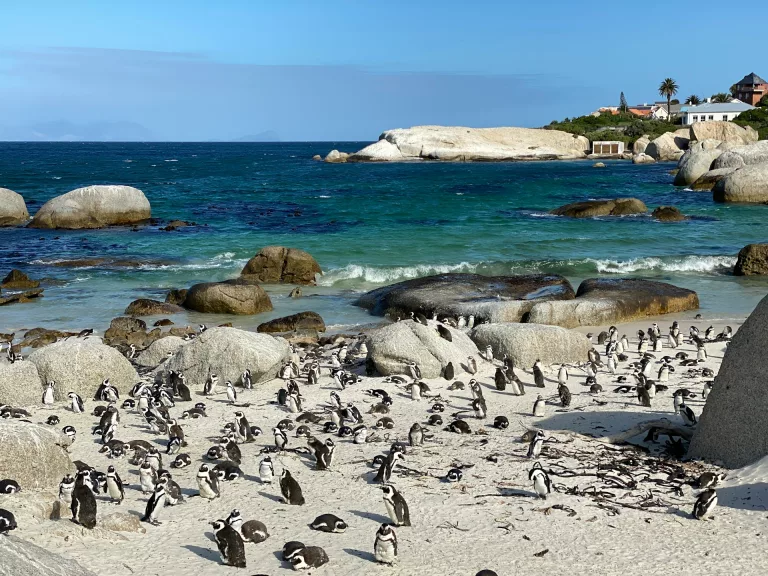
The Boulders Beach Penguins Colony/Bernd M. Schell/Unsplash
Along the False Bay coast, Simon’s Town and nearby Boulders Beach are home to a growing colony of African penguins. While boardwalks guide visitors along the beach, penguins frequently venture beyond the sand, waddling across parking lots, crossing roads and occasionally inspecting back gardens.
The town has installed penguin friendly fencing and traffic calming measures to protect the birds, and residents are encouraged to report injured or wandering penguins to conservation authorities. Early morning and late afternoon are the best times to see them moving between nests and the sea.
Nara, Japan

Nara/Caleb Jack/Unsplash
In Nara, deer are considered sacred messengers of the gods and roam freely through parks, temples and busy streets. Visitors can buy special crackers to feed them, and it is common to see deer bowing before accepting food.
The animals wander into shopping districts, rest beside ancient shrines and share green spaces with school groups and office workers on lunch breaks. While they are generally calm, they are still wild animals, and signage encourages respectful interaction and proper feeding practices. Nara’s deer represent a long history of cultural protection that has allowed wildlife to remain integrated into urban life. The result is a city where spiritual heritage and natural presence are deeply intertwined.
Where travel meets responsibility
Towns where animals take over the streets highlight the importance of responsible tourism. Visitors play a role in keeping both people and animals safe by following local guidelines, avoiding feeding wildlife unless permitted and respecting personal space. Coexistence is t about adaptation and awareness. When towns plan around natural movement patterns and communities embrace wildlife as part of daily life, remarkable relationships can form.
Follow us on social media for more travel news, inspiration, and guides. You can also tag us to be featured.
TikTok | Instagram | Facebook | Twitter
ALSO READ: Romance in the wild: Celebrate Valentine’s Day on safari in Southern Africa