



Conservation in the 21st century is shifting from preservation to restoration, writes Miriam Kimvangu.

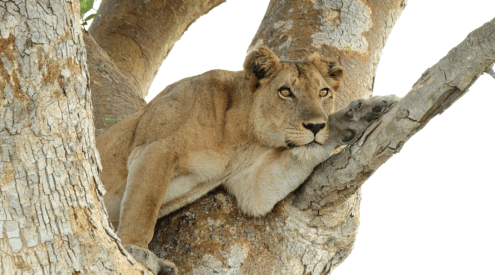
Lady Liuwa, Liuwa Plain National Park/Jonchwalker/Wikimedia Commons
Rewilding reflects this change, aiming to rebuild ecosystems rather than simply protect what remains. In Southern Africa, a number of landscapes are being transformed through this approach.
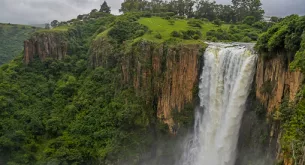
Baviaanskloof Wilderness Area
Located in the Eastern Cape, the Baviaanskloof Wilderness Area forms part of a recognised biodiversity hotspot. It is also a key component of a conservation corridor that connects inland habitats with coastal ecosystems.
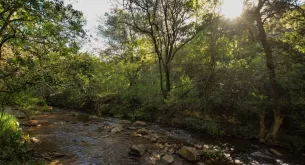
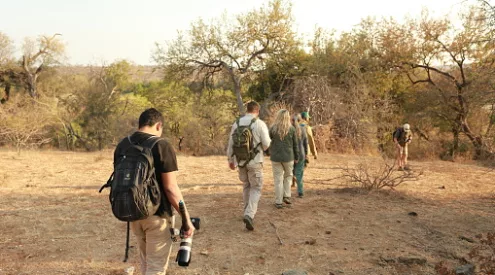
Historically impacted by overgrazing and unsustainable land use, the area has undergone significant restoration. Programmes have focused on removing invasive plant species, improving soil health, and re-establishing indigenous vegetation. Wildlife populations, including leopard and antelope species, have gradually stabilised as habitats recover. The region’s varied terrain supports high levels of plant diversity, making it an important site for ecological research. Visitors can explore the area through hiking trails and self-drive routes, gaining direct exposure to the processes of landscape recovery.
Great Fish River Nature Reserve
The Great Fish River Nature Reserve is one of the largest protected areas in the Eastern Cape. It plays a critical role in regional conservation strategies aimed at reconnecting fragmented habitats.
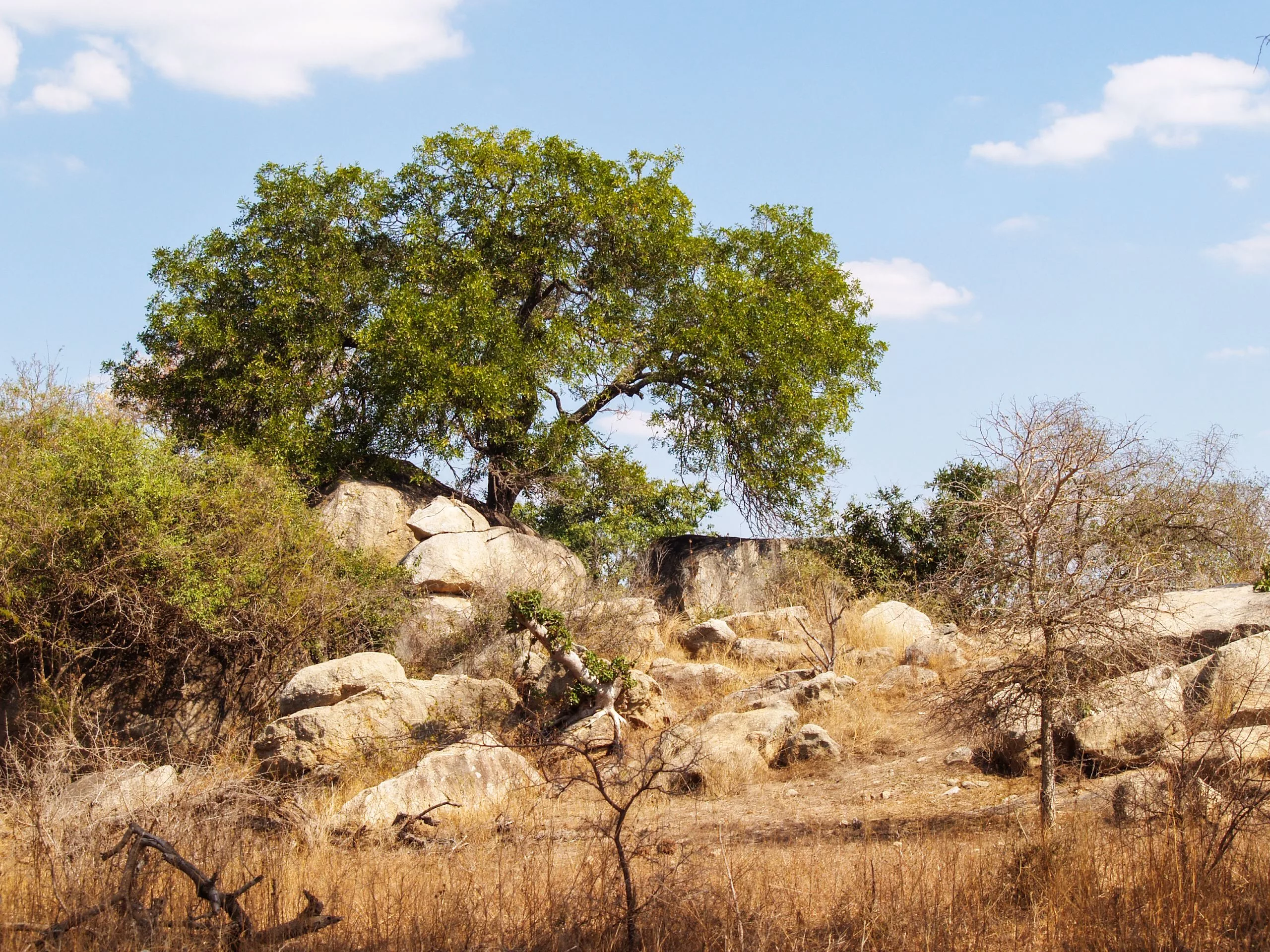
Rewilding efforts here have included the reintroduction of large herbivores and the protection of endangered species such as the black rhinoceros. These initiatives help restore ecological balance by re-establishing natural grazing and browsing patterns, which in turn influence vegetation structure and biodiversity. The reserve’s dense thicket vegetation presents both challenges and opportunities for wildlife viewing. While sightings may require patience, the habitat itself is ecologically significant, supporting a wide range of bird and mammal species. The reserve also contributes to ongoing research into habitat restoration and species management.
Gonarezhou National Park
Situated in southeastern Zimbabwe, Gonarezhou National Park is a central component of the Great Limpopo Transfrontier Conservation Area. This cross-border initiative aims to create a large, connected landscape that allows wildlife to move freely between protected regions.
Gonarezhou has undergone significant transformation through collaborative management between conservation organisations and local communities. Anti-poaching measures, habitat protection, and community engagement have contributed to the recovery of key species, including elephant and large predators. The park’s defining geological feature, the Chilojo Cliffs, provides both scenic value and ecological importance. River systems within the park support diverse habitats, which are essential for sustaining wildlife populations. The integration of community-based conservation ensures that local stakeholders benefit from and contribute to long-term ecological stability.
Liuwa Plain National Park
In western Zambia, Liuwa Plain National Park represents a notable example of species recovery following periods of decline due to poaching and limited management.
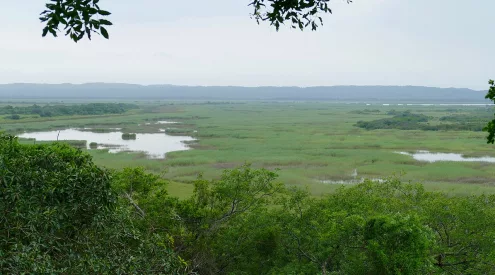
One of the park’s most significant ecological events is the annual wildebeest migration, which has been gradually restored through targeted conservation efforts. This migration plays a crucial role in nutrient cycling and predator-prey dynamics within the ecosystem.
Liuwa has also been the focus of predator reintroduction programmes, including lions. The re-establishment of apex predators is a key component of rewilding, as it helps regulate herbivore populations and maintain ecological balance. The park’s seasonal flooding patterns create a dynamic environment that supports a range of species. Its relatively low visitor numbers allow for minimal disturbance, which is beneficial for ongoing conservation work.
Kafue National Park
Kafue National Park is one of Africa’s largest national parks and a critical landscape for large-scale conservation. Its size allows for the preservation of ecological processes that require extensive, uninterrupted habitats.
Rewilding initiatives in Kafue focus on anti-poaching enforcement, habitat management, and the reintroduction of species in certain areas. The Busanga Plains, a seasonal floodplain within the park, are particularly important for supporting herbivore populations and the predators that depend on them. The park’s diversity of habitats, ranging from wetlands to woodlands, supports a wide range of biodiversity. Conservation efforts are supported by partnerships between government agencies and non-profit organisations, ensuring a coordinated approach to ecosystem management.
Rewilding is not a finished product but an ongoing process. Each of these destinations represents a different stage of recovery, offering valuable insights into how ecosystems can be rebuilt and sustained over time.
Follow us on social media for more travel news, inspiration, and guides. You can also tag us to be featured.
TikTok | Instagram | Facebook | Twitter
ALSO READ: