





Late summer in South Africa, roughly February to March, is not a shoulder season. It is a moment when the country feels fully switched on. Rivers are still running strong after the rains, orchards are heavy with fruit, forests drip with water, and estuaries glow green before the dry months arrive.
This guide focuses on destinations that genuinely feel better in late summer, places where timing changes everything and where visiting at the wrong moment would mean missing the point entirely, writes Lee-Ann Steyn.
Blyde River Canyon when the land is still green

Three Rondavels, Blyde River Canyon/Rodrigo Casanas/Unsplash
Why late summer transforms the canyon
The drama of the Blyde River Canyon is always impressive, but late summer is when the canyon feels whole. Months of rainfall leave the escarpment thick with vegetation, and the river far below is still carrying real weight. Viewpoints along the Panorama Route reveal a softer, greener landscape compared to the stark tones of winter.
Waterfalls like Berlin and Lisbon Falls are still active, the air is heavy with moisture, and the canyon walls glow deep green rather than dusty brown. This is also the final window before autumn begins to quieten the landscape.
How to experience it best
Early morning viewpoints offer mist rising from the gorge, while short forest walks feel cooler and more immersive than during the dry season. Late summer also brings fewer tour buses than peak winter, which makes the canyon feel more personal and unhurried.
ALSO READ:
How to make the most of a visit to Underberg in the Southern Drakensberg
Augrabies Falls when the Orange River roars

Augrabies Falls/Sean Brookes/Unsplash
Why water changes everything here
In the Northern Cape, Augrabies Falls lives and dies by water levels. Late summer often coincides with upstream rainfall feeding the Orange River, creating one of the most powerful displays the falls can offer. The usually arid landscape is still warm, but the presence of water introduces movement, sound and scale.
During this period, the falls feel less like a static viewpoint and more like a living system in motion.
How to experience it best
Visit during the heat of the day when water spray fills the air, and the contrast between desert and river feels most dramatic. Sunset viewpoints reveal golden light hitting fast-moving water, a scene that feels fleeting and seasonal rather than permanent.
Ceres and Elgin during harvest season
Why fruit valleys peak in late summer
The agricultural valleys of Ceres Valley and Elgin Valley make the most sense when the harvest is in full swing. February and March bring a sense of purpose to these landscapes. Orchards are busy, fruit is at its sweetest and farm stalls reflect the work happening in the fields.
This is not a quiet countryside escape. It is a working season that rewards visitors with flavour, freshness and atmosphere.
How to experience it best
Roadside stalls and farm markets offer produce picked days or hours earlier. Wine farms feel more energetic, with cellars alive with activity. Cooler evenings make outdoor meals and slow drives between farms especially appealing.
St Lucia Estuary at its greenest

African fish eagle in Lake St Lucia estuary/Bernard Gagnon/Wikimedia Commons
Why summer rains matter here
The experience of St Lucia Estuary shifts dramatically with rainfall. Late-summer rains keep the estuary full, the reedbeds lush, and the surrounding wetlands vibrant. This is when the system feels expansive rather than constrained.
Hippos and crocodiles remain active, birdlife is abundant, and the water channels feel navigable rather than sparse.
How to experience it best
Boat cruises during this period reveal a layered landscape of water, vegetation and wildlife. Early mornings bring calm reflections and active birdlife, while afternoons highlight the scale of the wetland system at its fullest.
Magoebaskloof when waterfalls are at their strongest
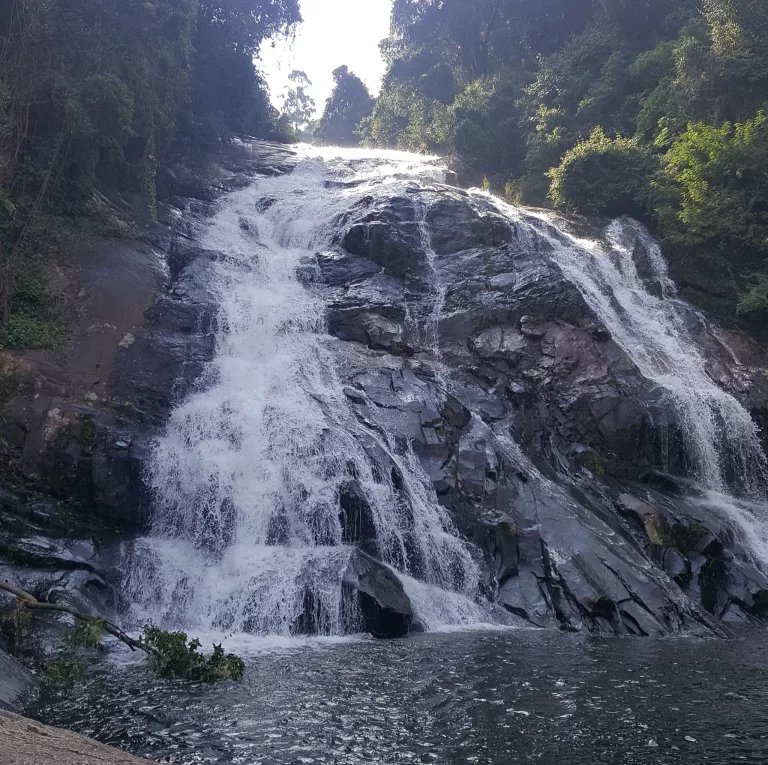
Picture: Facebook / @Micheal Johnson| Getaway Gallery
Why timing defines this forest escape
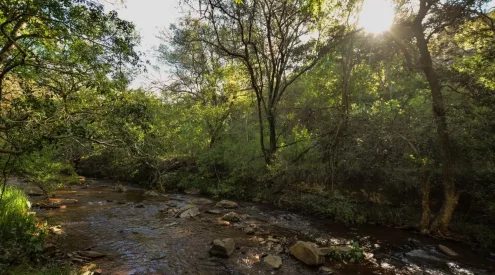
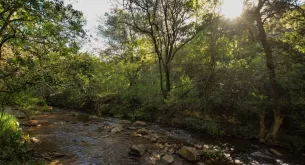
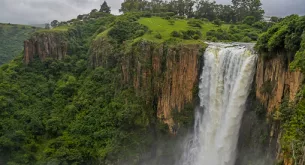
The forests of Magoebaskloof thrive on summer rain. Late summer is when waterfalls are strongest, trails are shaded by a thick canopy, and the air feels cool despite the season. This region feels almost temperate, while much of the country is still warm.
Water shapes every experience here, from swollen streams to misty mornings and deep green forests.
How to experience it best
Short hikes to waterfalls are far more rewarding at this time of year. Forest lodges feel cocooned rather than exposed, and slow drives through the hills reveal a landscape that feels quietly abundant rather than restrained.
Why late summer travel is the way to go
Late summer is a season that rewards travellers who understand timing. The landscapes are not polished or predictable. They are full, working, flowing and occasionally untidy. Rivers are louder, fruit is fresher, and forests feel alive rather than ornamental.
Choosing these destinations in February and March is not just about avoiding crowds. It is about meeting South Africa when it is still exhaling from the rains and before the land begins to tighten into winter.
Follow us on social media for more travel news, inspiration, and guides. You can also tag us to be featured.
TikTok | Instagram | Facebook | Twitter
ALSO READ:
Cape Town experiences that feel better on a Tuesday than a Saturday