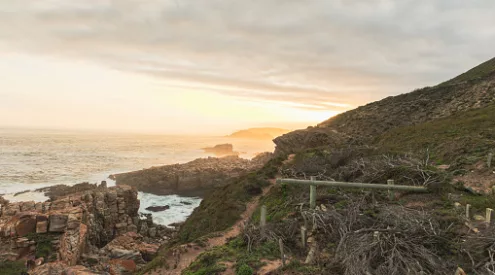
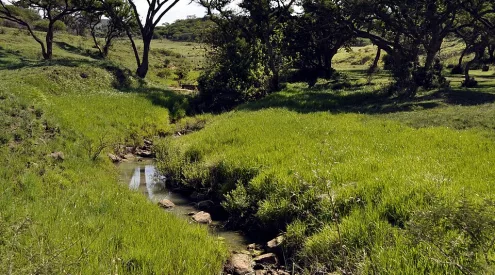

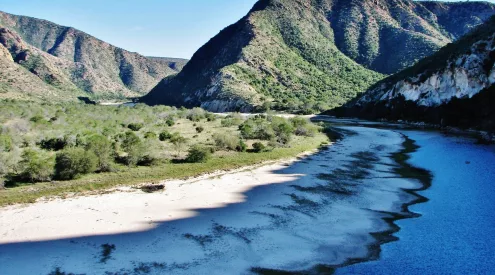
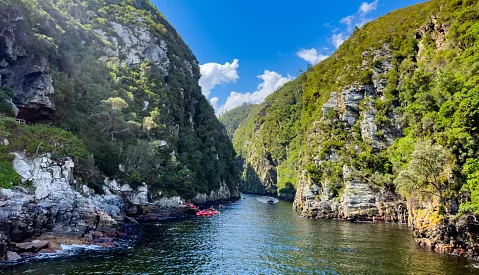


Stretching between the Mtamvuna River in the north and the Great Kei in the south, the Wild Coast is one of South Africa’s most unspoilt regions.

Joshua Gaunt / Unsplash
This Eastern Cape shoreline remains a place of sweeping beaches, rolling green hills, and Xhosa villages perched above the sea. Here, cliffs plunge into turquoise coves and cattle wander freely along the sand — a reminder that nature and culture still move in rhythm.
Coastal Trails Worth the Trek
The Wild Coast’s charm reveals itself best on foot. The classic Port St Johns to Coffee Bay hike (sometimes extended to the Hole-in-the-Wall) is a five-day journey that blends adventure with immersion. You’ll trace cow paths, wade through shallow rivers, and overnight in small coastal villages, guided by locals who know every tide and trail.
For those short on time, day walks abound. The hike from Coffee Bay to Hole-in-the-Wall offers panoramic headland views and ends at the coast’s most iconic rock formation — a giant stone arch carved by centuries of surf. Inside Hluleka and Dwesa-Cwebe Nature Reserves, shorter trails wind through coastal forests alive with bird calls and antelope.
Where to Stay
Accommodation along the Wild Coast mirrors its spirit: authentic, community-based, and quietly scenic.
At Bulungula Lodge, a pioneering eco-lodge near Nqileni Village, solar-powered rondavels open right onto the beach. Guests join village life, try traditional cooking, or canoe down the Bulungula River at sunrise.
Further north, Umngazi Hotel & Spa near Port St Johns blends comfort and remoteness — think thatched riverside chalets, sea-facing decks, and a spa where you can soak in ocean views.
Coffee Bay and Mdumbi remain surfer-friendly enclaves, dotted with backpackers, guesthouses, and beach cottages. Expect gravel roads, big skies, and nights filled with stars.
Surfing the Edge
Surfers have long whispered about the Wild Coast’s breaks. Coffee Bay, Mdumbi, and the lesser-known Breezy Point near Umtata Mouth offer consistent waves for intermediate to advanced riders. Lessons and rentals are available locally, though the scene remains refreshingly low-key, more soul surfing than crowded line-ups.
The best swells roll in between April and August, when offshore winds meet clean Southern Ocean swell. Always check local advice before paddling out as conditions can shift quickly, and strong rips are common.
Travel Tips
- Getting There: Fly to East London or Mthatha, then drive or take a shuttle to your chosen base. Roads can be rough, especially after rain, a 4×4 helps.
- Bring Cash: Many lodges are remote, with limited card facilities or mobile signal.
- Tread Lightly: Ask before taking photos, support community-run stays, and pack out all waste.
- Weather Watch: The coast can switch from sunshine to mist in minutes so carry layers and sturdy shoes.
Why Go Now
The Wild Coast remains one of the few stretches of South African coastline where development hasn’t yet tamed the land. It’s for those who prefer walking over Wi-Fi, silence over schedules, and discovery over design. Every river crossing and headland vista feels like reconnecting with something wilder.
Follow us on social media for more travel news, inspiration, and guides. You can also tag us to be featured.
TikTok | Instagram | Facebook | Twitter
ALSO READ: South Africa’s undervisited wineries worth the journey