





Travel has a way of revealing patterns you did not realise you were repeating. Who plans, who leads, who checks out, and who compromises? Over time, even the most exciting trips can start to follow a familiar rhythm. Same packing habits, same arguments, same photos, same post-trip feeling that you need a holiday from your holiday.

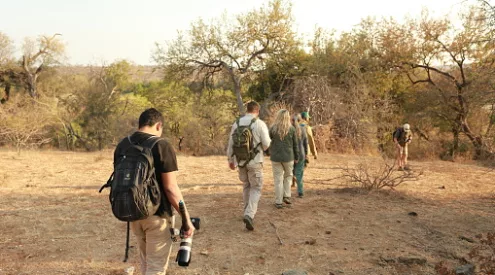
Image used for illustrative purposes/Felix Rostig/Unsplash
A growing number of travellers are choosing experiences that do something different. These are trips that change the way people move through a place together. They replace autopilot with intention and turn travel into a shared recalibration rather than a checklist of sights.
Trips that reset how you travel together are not always comfortable or luxurious. They are often slower, quieter or more challenging. What they offer in return is perspective and a new way of showing up for each other on the road.
Why some trips change the way you travel together
Shared experiences shape relationships more deeply when they require cooperation, vulnerability or presence. Travel that strips away routine creates space for new dynamics to form. Decision-making becomes collaborative, communication becomes essential, and patience becomes a shared currency.
Research into memory formation shows that emotionally charged experiences are more likely to be remembered long-term. Travel that involves learning, effort or adaptation often creates stronger shared memories than passive sightseeing. These are the trips people talk about years later, not because everything went smoothly, but because something shifted along the way.
Challenge-driven journeys that demand teamwork
Physical challenges that require cooperation
Multi-day hikes, cycling routes and paddling trips quickly reset expectations. There is no room for one person to do everything while others coast. Everyone carries something, whether that is gear, navigation or morale.
Trails like the Amatola or Otter demand shared responsibility. Daily progress depends on pace, communication and mutual encouragement. Small moments matter more than grand views, including who fills water bottles, who checks weather forecasts and who notices when someone is struggling.
Why challenge changes travel dynamics
Physical effort exposes strengths and vulnerabilities. Travel becomes less about control and more about trust. These trips often replace frustration with respect and remind travellers that moving together matters more than moving fast.
Disconnect to reconnect getaways
Travel without constant connectivity
Off-grid cabins, eco-lodges with limited signal and retreats that discourage phone use create an immediate shift. Without screens, conversations stretch longer. Silence becomes shared rather than awkward. Attention returns to the present moment.
Destinations surrounded by forests, mountains or coastline naturally support this reset. Days fill with walking, cooking together, reading or simply sitting without distraction.
What happens when devices disappear
Travel without constant connectivity changes how people listen. Stories surface that rarely appear between notifications. Presence becomes the main luxury. Many travellers leave these trips with simple rituals they want to keep, including device-free dinners or morning walks together.
Skill-building trips that turn travel into shared learning
Learning something new together
Trips centred on learning reset roles quickly. Everyone starts as a beginner. Surf lessons in Wilderness, cooking courses with local chefs or photography workshops with daily challenges shift the focus from performance to progress.
Shared learning encourages patience and support. Mistakes become part of the story rather than something to avoid. Travel transforms into a space where growth is collective.
How learning changes the travel experience
Skill-based travel gives days a structure without rigidity. Success is measured in small wins rather than perfect outcomes. Many travellers return home with a renewed sense of teamwork that carries into future trips.
ALSO READ: Romantic day trips across South Africa that feel like you have truly gone away
Multi-generational trips that redefine roles
Travel that works across ages
Farm stays, conservation projects and heritage-focused journeys invite participation across generations. Children contribute through chores or guided activities. Adults slow down and share responsibility. Elders often become storytellers rather than spectators.
Trips like these move families beyond parallel experiences. Everyone engages with the same place in different but connected ways.
Why these trips reset expectations
Multi-generational travel challenges assumptions about capability and leadership. People are seen outside their usual roles. Connection deepens when contribution matters more than convenience.
Slow travel immersions that replace itineraries with rhythm
Staying longer in one place
Slow travel is less about distance and more about depth. House swaps in small towns, extended farm stays or homestays encourage routines rather than rushing. Mornings unfold without urgency. Familiar faces replace crowds.
This style of travel values repetition. The same bakery, the same walking route, and the same evening ritual gradually become anchors.
The impact of slowing down together
Slow travel reveals habits and preferences that fast trips hide. Negotiation becomes gentler. Decisions feel shared rather than forced. Many travellers discover that staying put creates a stronger connection than constant movement.
How to choose the right reset trip
Ask these questions before you book
- What challenges bring you closer rather than pulling you apart
- What level of discomfort feels productive rather than overwhelming
- What pace allows everyone to stay engaged
- What experiences encourage collaboration rather than competition
- What kind of reset feels most needed right now
Honest answers matter more than trends. The right trip aligns with where the relationship is, not where it is supposed to be.
How to travel together more intentionally once you arrive
Build simple communication rituals
Daily check-ins help surface small frustrations before they grow. Shared planning sessions encourage buy-in. Quiet time should be respected as much as together time.
Allow space for imperfection
Reset trips rarely unfold smoothly. Missed turns, bad weather and tired tempers are part of the process. The goal is not harmony but awareness. Travel becomes richer when space exists for adjustment.
The real takeaway
Trips that reset how you travel together do not promise transformation through spectacle. They offer something more subtle. A recalibration of pace, attention and connection.
Returning home, the destination may fade, but the shift remains. Travel becomes less about ticking places off a list and more about how you move through the world together.
Follow us on social media for more travel news, inspiration, and guides. You can also tag us to be featured.
TikTok | Instagram | Facebook | Twitter
ALSO READ: 7 ancient civilisations open to modern explorers